
Last updated November 25, 2026
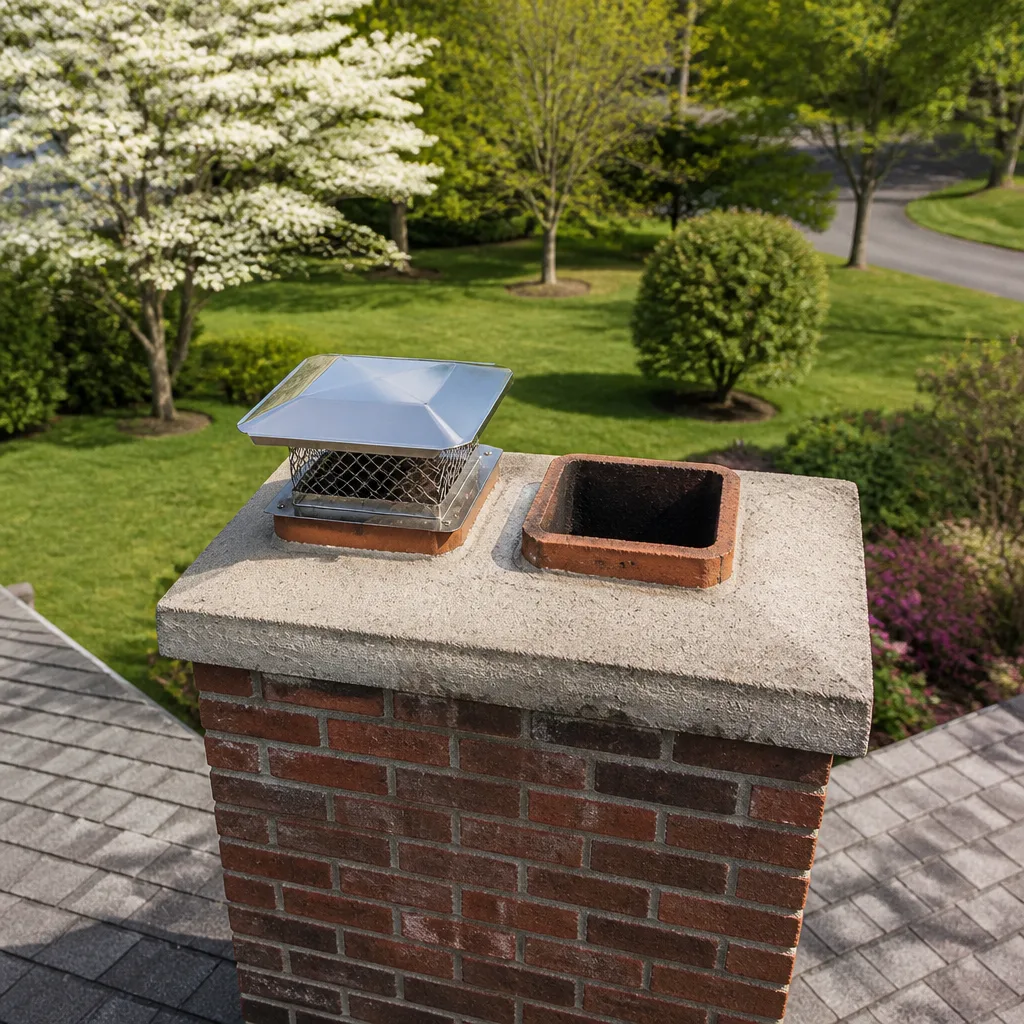 Sweep & inspection
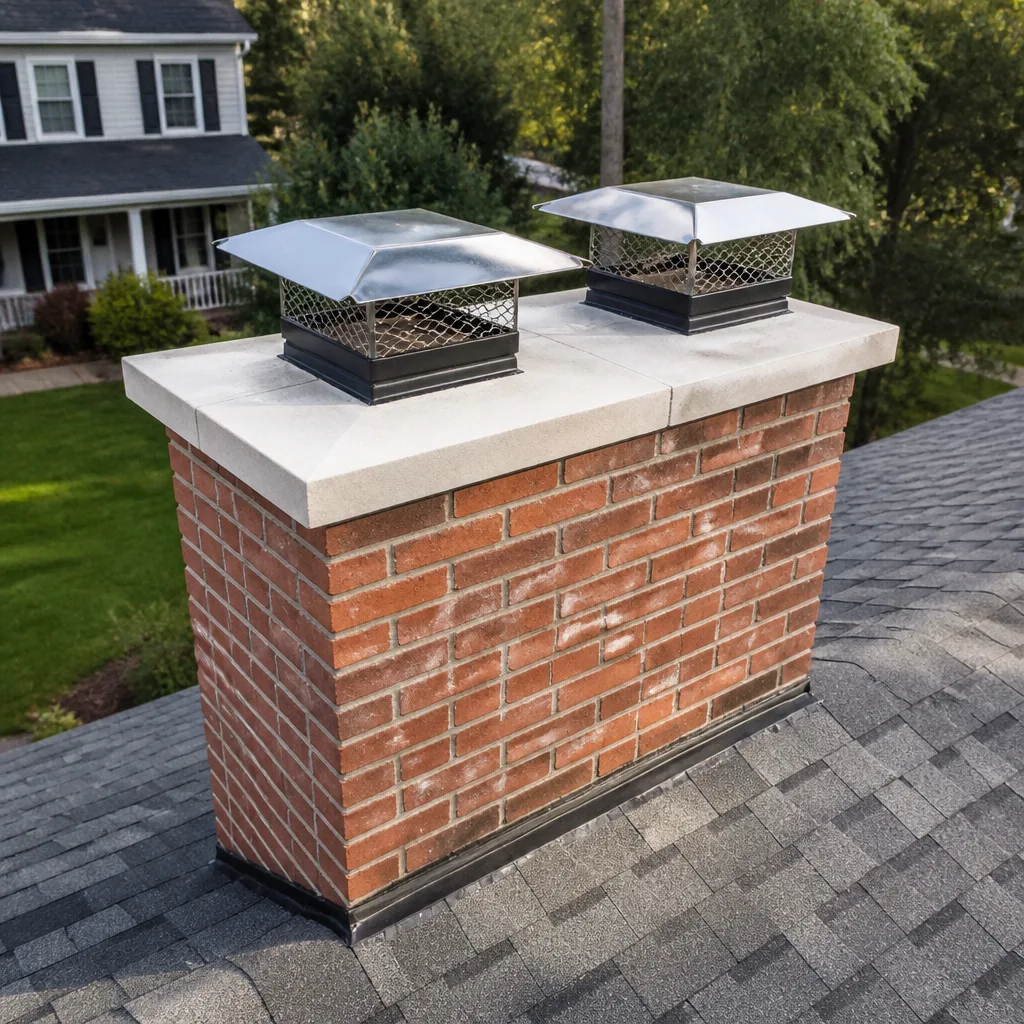 Caps & crowns
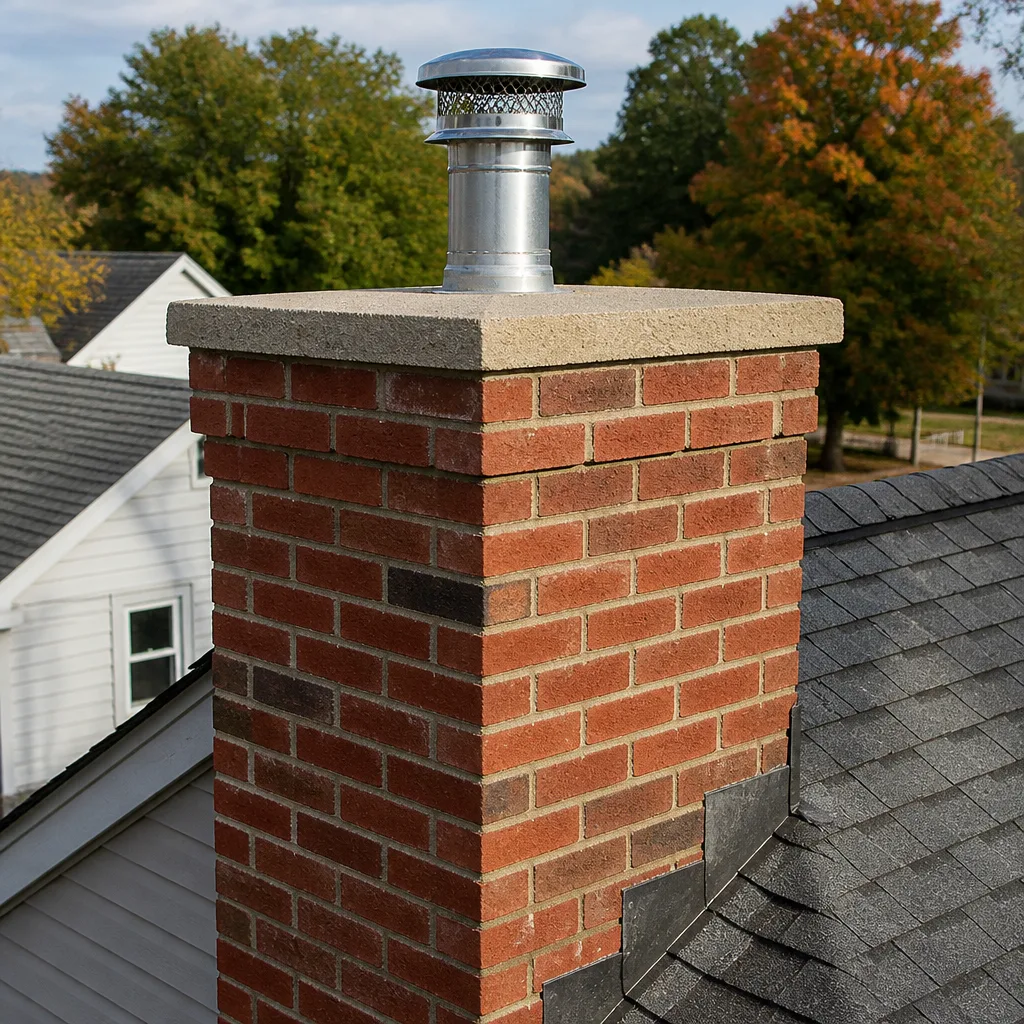 Flue relining
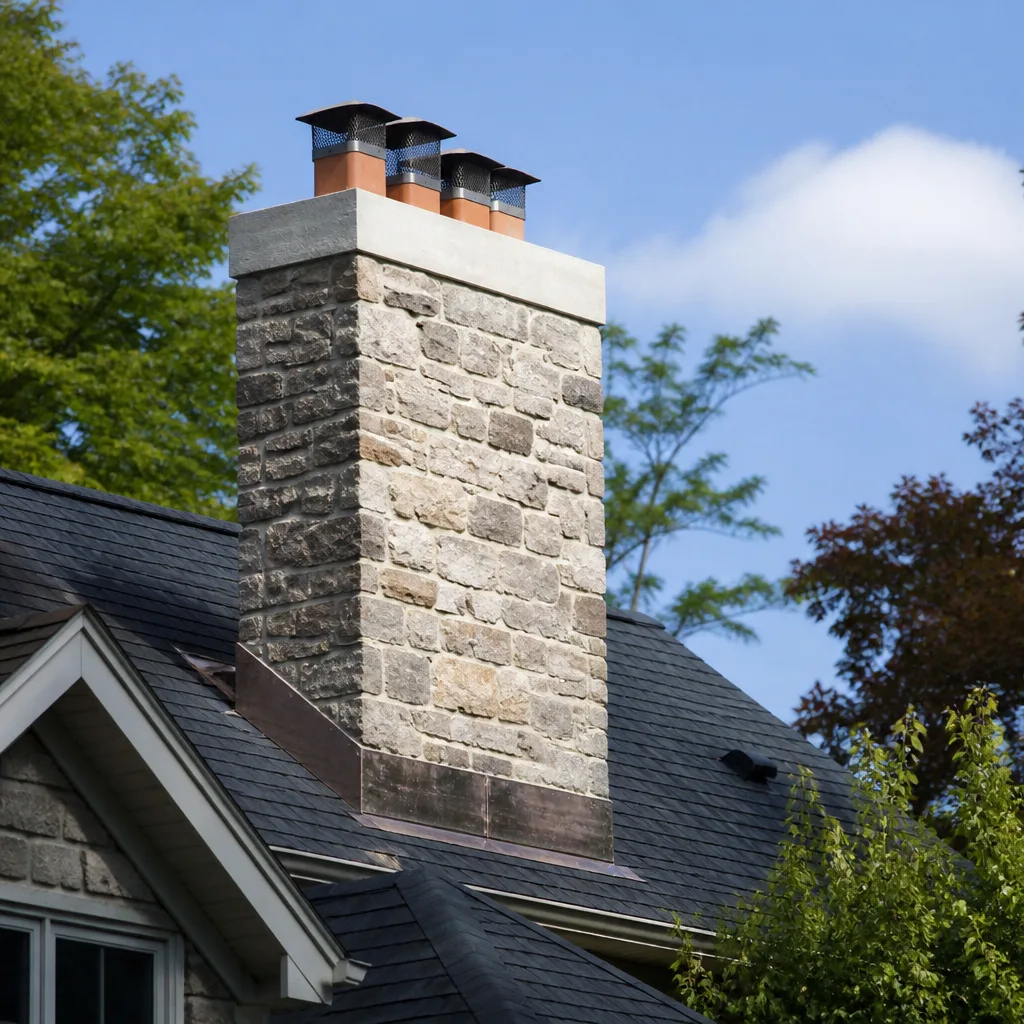 Masonry repair
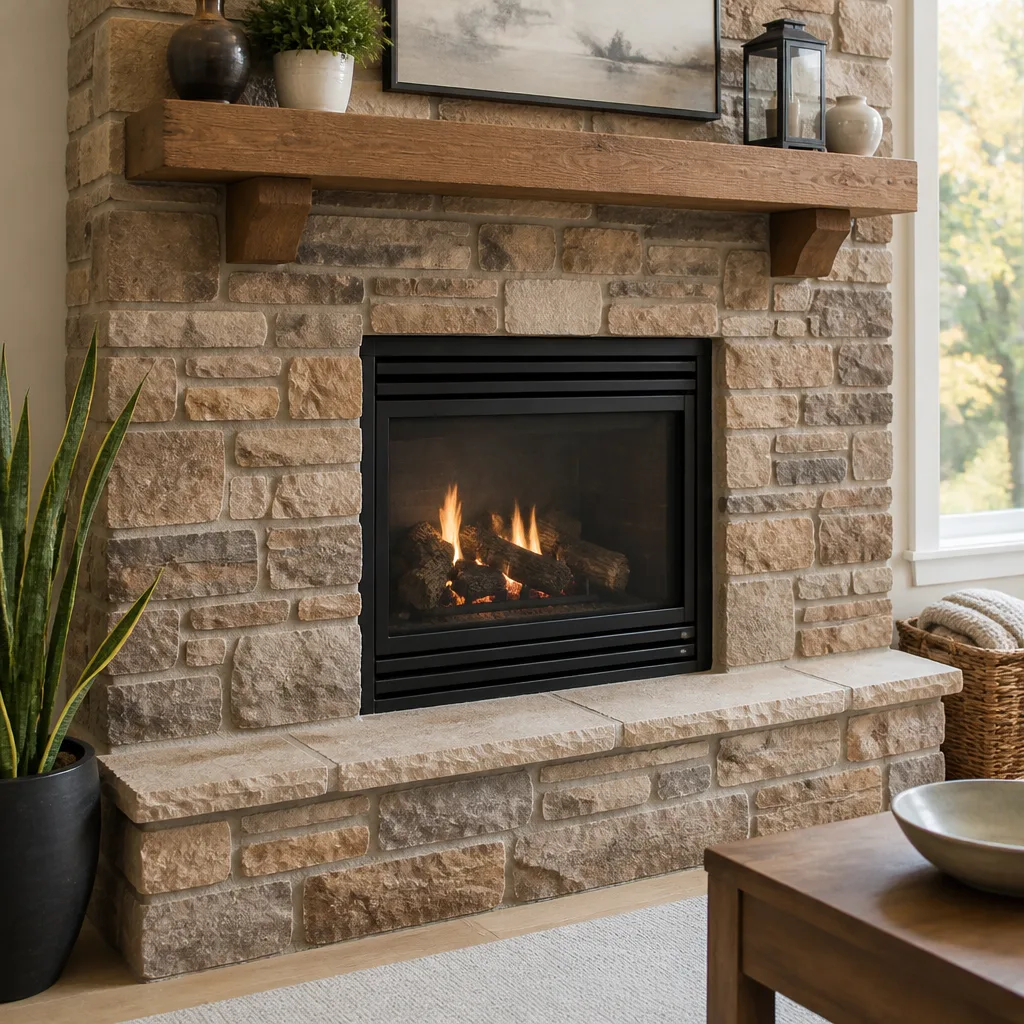 Gas fireplace service
Level 1 sweep and inspection to the NFPA 211 annual standard - flue, crown, cap, and flashing checked and photographed
Chimney sweep logs do not sweep chimneys. They loosen some creosote - which then falls where a brush and vacuum still have to collect it.
DIY vs Professional Chimney Cleaning: The South Buffalo Homeowner’s Decision Guide
The DIY chimney brush kits at the hardware store will remove loose soot. That part is true, and it’s why so many homeowners in South Buffalo buy one every fall. But those kits won’t remove stage-two creosote, they won’t inspect your liner, and they won’t tell you your flashing failed over winter. A brush pass down a flue you can’t see into is maintenance, not diagnosis. This guide draws the line between what a homeowner can responsibly do between visits and what genuinely needs a trained set of eyes and a camera. We’ll cover what a brush actually removes, why roof access on South Buffalo’s older housing stock is a real risk in shoulder-season weather, what a professional visit includes that a DIY sweep structurally cannot, and the exact home profile where a DIY pass makes the most sense.
Quick Answer
DIY chimney brushing is physically possible for most South Buffalo homeowners and can remove light, stage-one soot between professional visits. It is not a substitute for professional cleaning and inspection, because a brush cannot remove glazed stage-two or stage-three creosote, evaluate the liner, check the smoke chamber, or produce a written record of the chimney’s condition. For a wood-burning fireplace or insert that gets real use, an annual professional cleaning and inspection is the baseline; DIY brushing sits on top of that as light upkeep, not in place of it.
Styles & brands we work with
- Sweep & inspection
- Caps & crowns
- Flue relining
- Masonry repair
- Gas fireplace service
Table of Contents
- What a DIY Brush Kit Can and Cannot Remove
- The Three Stages of Creosote and Why They Matter
- Roof Access on a South Buffalo Home: The Safety Reality
- What a Professional Does That a DIY Sweep Cannot
- When DIY Is Defensible: The Home Profile That Fits
- How to Do DIY Maintenance Between Professional Visits
- When to Stop DIY and Make the Call
- Mistakes We See, and What They Cost Later
What a DIY Brush Kit Can and Cannot Remove
A brush kit removes loose soot and light, powdery deposit from the flue walls. What it leaves behind is the hard, tar-like creosote that bonds to the liner, and that deposit is the one that fuels a chimney fire. That is the whole of the DIY limit in one sentence. The kit you buy at the hardware store is a decent tool for a light, clean flue that’s swept regularly. It is not a cleaning system for a flue that has been burned hot and dirty.
Here’s the practical breakdown of what a brush pass will and won’t do:
- Removes: loose soot on the firebox walls, light flake from the damper shelf, and some powdery stage-one dust from the upper flue in a chimney that has been swept regularly.
- Partially removes: flaky stage-one deposit that comes off the liner wall with a bristle brush. Some of it will fall, some of it will re-adhere before it reaches the base.
- Cannot remove: glazed stage-two creosote, which bonds and hardens against the liner, and stage-three glazed creosote, which is best described as a tar coating that has cooked onto the flue wall. A brush pass will score the surface and do nothing to the depth.
- Cannot do by definition: inspect a liner, evaluate the smoke chamber, check cap and crown, or see a flashing failure from inside the firebox.
If your flue has been burning for years without a cleaning, a DIY pass drops your visible soot down but leaves the dangerous layer in place. That’s the false sense of safety a chimney sweep in South Buffalo is trained to see and a homeowner sometimes cannot. A flue can look clean where the brush reached and still carry the creosote that matters higher up.
The Three Stages of Creosote and Why They Matter
Creosote forms in three stages, and each stage has a different removal approach. Knowing which one you’re dealing with decides whether a brush alone, a chemical treatment, a rotary tool, or liner restoration is the right move.
- Stage one: soot and powder. Light, flaky deposit that forms in a chimney that burns hot and dry. A standard bristle brush removes most of it. This is the only stage a brush kit handles reasonably well.
- Stage two: glazed and hardened. Forms when the fire runs cool and wet, condensing unburned wood gas on the flue walls. It bonds and hardens and often needs a rotary whip or chemical treatment to lift it. A brush will not get through it, and a homeowner home-rushing it can scratch the liner and leave more to flake later.
- Stage three: tar glaze. A hard, tarry coating in a heavily over-fired or neglected flue. This is the material that fuels a chimney fire. It is not a brush job by anyone’s method, and if a liner is saturated with it, assessment by a trained professional is the next step.
Stage two and three tend to show up in the same places a South Buffalo chimney tends to see them: the cooler upper flue of an older chimney, a fireplace that never got a proper draft, and a winter of burning mixed or damp wood. When you see shiny, black, or tar-like material on the liner wall, you’ve moved out of DIY territory. We use a camera to look at the full flue length for exactly this reason: the flue that looks clean at the firebox can be the one with the worst deposit higher up.
Roof Access on a South Buffalo Home: The Safety Reality
Reaching a chimney top-down on a typical South Buffalo roof is a job in shoulder-season weather and a real risk for most homeowners. Roof pitch, leaf-covered shingles, frost, and wind make a routine top-down sweep into a fall hazard on the wrong afternoon. A wrong step off a pitch roof can put a homeowner in the emergency room. That’s before we talk about the wet, cold shoulder-season weather that makes a Buffalo-area roof slick for half the year.
A properly done top-down cleaning means getting above the chimney, fitting a brush and rod, and controlling the descent of the flue deposit as the brush comes down. The tool itself is simple. The access is the problem. On a steep pitch, a wet shingle, or a cold morning with frost on the roof, the risk climbs sharply. A trained technician handles that with the right ladder setup, roof traction gear, and knowledge of where the shingles will hold. A homeowner on a rickety ladder and a rope brush is doing the same job with none of the safety gear.
The liability side matters too. If you fall from your own roof, your homeowner’s insurance may or may not cover the injury, and the roof or chimney damage from a dropped rod is on you. A licensed and insured local pro carries that exposure instead, which is exactly what the vetted professional we connect you with is set up to do. Bottom-up cleaning from the firebox is possible from inside, which sidesteps the roof, but it doesn’t get you above the chimney, doesn’t check the crown and cap, and doesn’t tell you what the chimney top looks like.
What a Professional Does That a DIY Sweep Cannot
A professional chimney cleaning is a diagnostic event, not just a brush pass. That’s the core difference, and it’s why a professional visit leaves you with information a DIY sweep cannot produce. Here is what a full visit covers, in the order it usually happens:
- Exterior and roof-level check. Cap, crown, flashing, and chimney masonry are inspected from above. Flashing failure over winter is common in older homes, and it’s almost impossible to spot from the firebox.
- Firebox and damper inspection. The firebox walls, damper plate, and firebox-to-smoke-chamber transition are checked for cracks, gaps, and corrosion.
- Smoke chamber evaluation. The smoke chamber above the damper is where a lot of chimney problems hide. A camera reaches it; a brush does not.
- Full-length flue camera inspection. A camera run down the flue shows the liner’s condition, any gaps, cracks, or liner failure, and the creosote stage present. This is the step that decides whether the chimney is safe to burn.
- Cleaning based on what the camera found. A standard brush pass if the flue is light, or a rotary or chemical treatment for staged creosote. We choose based on evidence, not a flat routine.
- Written condition report. The homeowner gets a written record with photos of what was found, what was cleaned, and what can wait. That report is what a later repair, insurance question, or DIY maintenance plan is built on.
The picture above is where a company that only sweeps and leaves falls short. A sweep-only contractor can’t restore a failing liner, and a general handyman isn’t set up for liner work. We carry the full system under one call: chimney inspection, cleaning, repair, cap and crown, and fireplace repair. Where a flue needs liner work, we fit DuraFlex flexible liner systems, and where the liner can be restored instead of replaced, we use HeatShield ceramic resurfacing. That’s a specialized capability most sweep-only operations aren’t equipped to offer, and it’s the difference between a report that says “liner needs replacement” and a plan to actually get it done.
When DIY Is Defensible: The Home Profile That Fits
There are homes in South Buffalo where a DIY brush pass between professional visits is a reasonable maintenance habit. The profile is fairly specific, and it’s worth naming honestly rather than pretending DIY is never right.
DIY brushing makes the most sense when all of the following are true:
- You have a gas insert or gas fireplace. Gas burns clean. The “soot” in a gas appliance flue is minimal and a brush pass between professional cleanings isn’t a safety question in the way wood is.
- The flue has a clean history. You’ve had at least one recent professional inspection and the report showed a sound liner and light deposit.
- You burn well-seasoned, dry wood in a fireplace that drafts properly. Clean, hot burns keep the deposit at stage one.
- You’re comfortable and set up for safe roof access. Single-story, low pitch, dry roof, proper ladder. If any of those are missing, stop before the ladder comes out.
- You have a baseline inspection schedule. Even a DIY-friendly home should get a professional inspection on a set schedule. The brush pass supplements that; it doesn’t replace it.
Where I’d push back: a new homeowner who bought an older South Buffalo house and hasn’t had a professional look at the chimney yet should not start with a DIY pass. The first move is a professional inspection and a baseline report. Only after that does the homeowner know whether the flue is a good candidate for DIY maintenance at all. The house got a fresh inspection and a clean bill on the liner; the DIY brush is now on solid ground. Without that, a homeowner is cleaning a flue they have no information about.
How to Do DIY Maintenance Between Professional Visits
If your home fits the profile above, a responsible DIY routine is realistic. What “responsible” means is: light upkeep, roof-smart, and never framed as a substitute for the professional annual. Here’s the routine:
- Get the baseline first. A professional inspection and written condition report before DIY maintenance begins. That report tells you the liner’s condition and how much room you have to do your own light passes.
- Brush only the firebox and accessible flue. Bottom-up passes from the firebox are safe and achievable. Avoid top-down roof work unless you have the setup and the weather for it. If the roof is wet, frosty, or you’re unsure, don’t go up.
- Watch the deposit you pull down. Loose black flake is stage one. Shiny, hard, tar-like material means you’ve reached stage two or higher and DIY is over. Call for a professional cleaning.
- Check the cap and crown visually from the ground. A pair of binoculars from the yard tells you a lot. If the cap is detached, the crown cracked, or flashing is loose, that’s a professional repair, not a DIY fix.
- Keep a simple log. Note the date of each brush pass and what you pulled down. When you call for the annual, that log is useful for the tech.
- Book the annual professional cleaning and inspection regardless. This is the non-negotiable part. The DIY pass is maintenance between visits, not a replacement for the visit itself.
The false sense of safety is the biggest risk here. A homeowner who brushes the firebox and sees light dust may conclude the whole flue is fine. It isn’t shown. What the brush reached is clean; what the camera would have seen is unknown. The professional visit is what closes that gap, and the written report is what proves the chimney is safe to burn.
When to Stop DIY and Make the Call
There are clear triggers that end the DIY discussion and start a professional call. If any of these applies, stop brushing and get a technician out. A chimney fire, a draft problem, visible tar, or a failed cap are all calls we’d make same-day if we’re in the area.
- You see or have seen a chimney fire. Even a small one is evidence of stage-two or worse creosote and needs professional inspection before the next fire.
- Smoke rolls into the room when you light a fire. That’s a draft or smoke chamber problem a brush can’t diagnose.
- You pull down shiny or tar-like deposit during a brush pass. Stage two or three creosote is a rotary or chemical job with a trained eye.
- The cap is detached, the crown is cracked, or the flashing is loose. That’s cap and crown or flashing repair, and we’re set up for both under the same visit as the cleaning.
- You smell smoke in the house when no fire is lit. That’s a backdraft or liner problem, not a cleaning question.
- The firebox shows cracked masonry or gaps at the damper. Firebox repair is a trained assessment and a HeatShield candidate in the right conditions.
- A new-to-you South Buffalo home gets its first fire. No fire until the chimney has been inspected and the line cleared.
On the safety front, don’t treat a chimney fire as a brush-and-move-on event. A damaged liner is a safety question, and a professional inspection with camera evidence is what turns “I think it’s fine” into “I know it’s fine.” That’s the standard we hold a cleaning to, and it’s the material a written report is built from.
Mistakes We See, and What They Cost Later
The mistakes in this section are the ones we see most often when a homeowner tries to handle the whole chimney on their own. Each is small in the moment and expensive later. The point isn’t to talk anyone out of DIY maintenance; it’s to be clear about where the DIY step ends and the professional step begins.
- Treating stage-two creosote as stage one. A brush pass on a glazed liner scores the surface, leaves the tar in place, and reads as “clean” at the firebox. That’s the setup for a chimney fire.
- Cleaning top-down in shoulder-season weather without a roof-safe setup. A wet shingle or a frosty morning is a fall hazard, and a homeowner rarely carries the gear a trained tech uses.
- Assuming the flue is clean because the firebox looks clean. The firebox is the one part of the chimney every homeowner can see. The dangerous stretch is the flue above it, and it needs a camera.
- Skipping the cap and crown check because the cleaning “looks done.” A cracked crown or a detached cap lets water and animals into the flue. That’s a chimney repair item a cleaning brush pass won’t catch.
- Burning unseasoned or mixed wood to “get through the season.” Wet wood is what builds stage-two deposit fastest. It’s the biggest driver of a flue that gets dirty quickly between cleanings.
- Doing a DIY first-clean in a new-to-you house. A house you’ve never burned in has no history. A professional inspection is the first step, not the last.
- Waiting until the first cold snap to call. The fall before the burning season is the busy window. Calling early in South Buffalo means more scheduling room and less waiting when the fire is already lit.
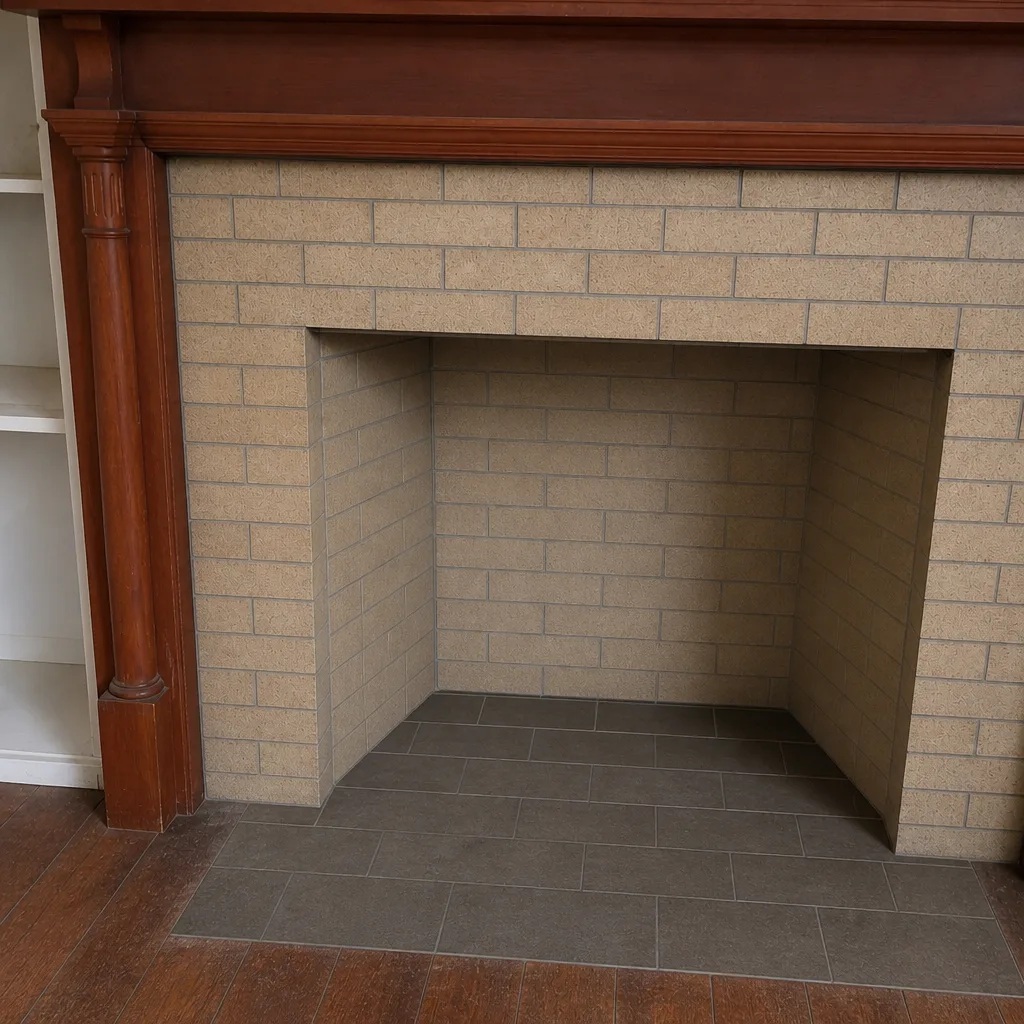
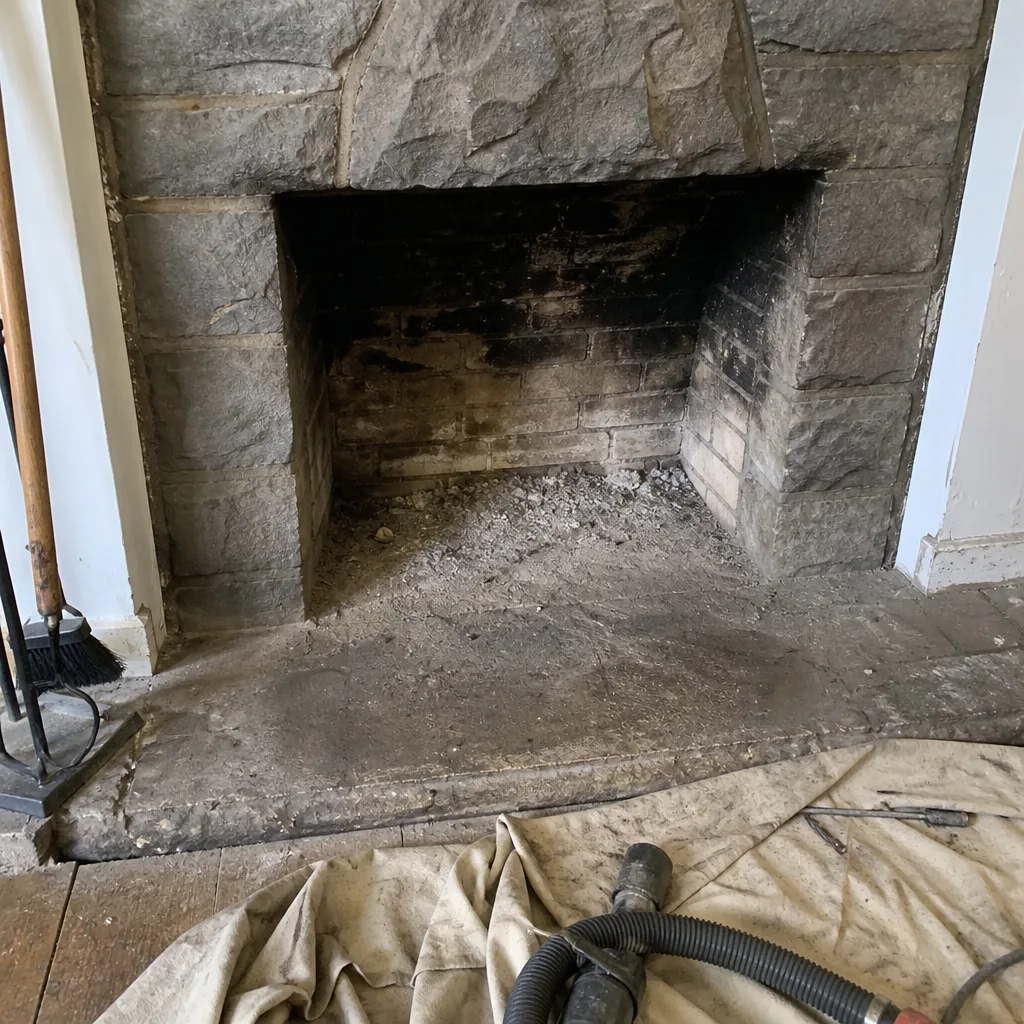
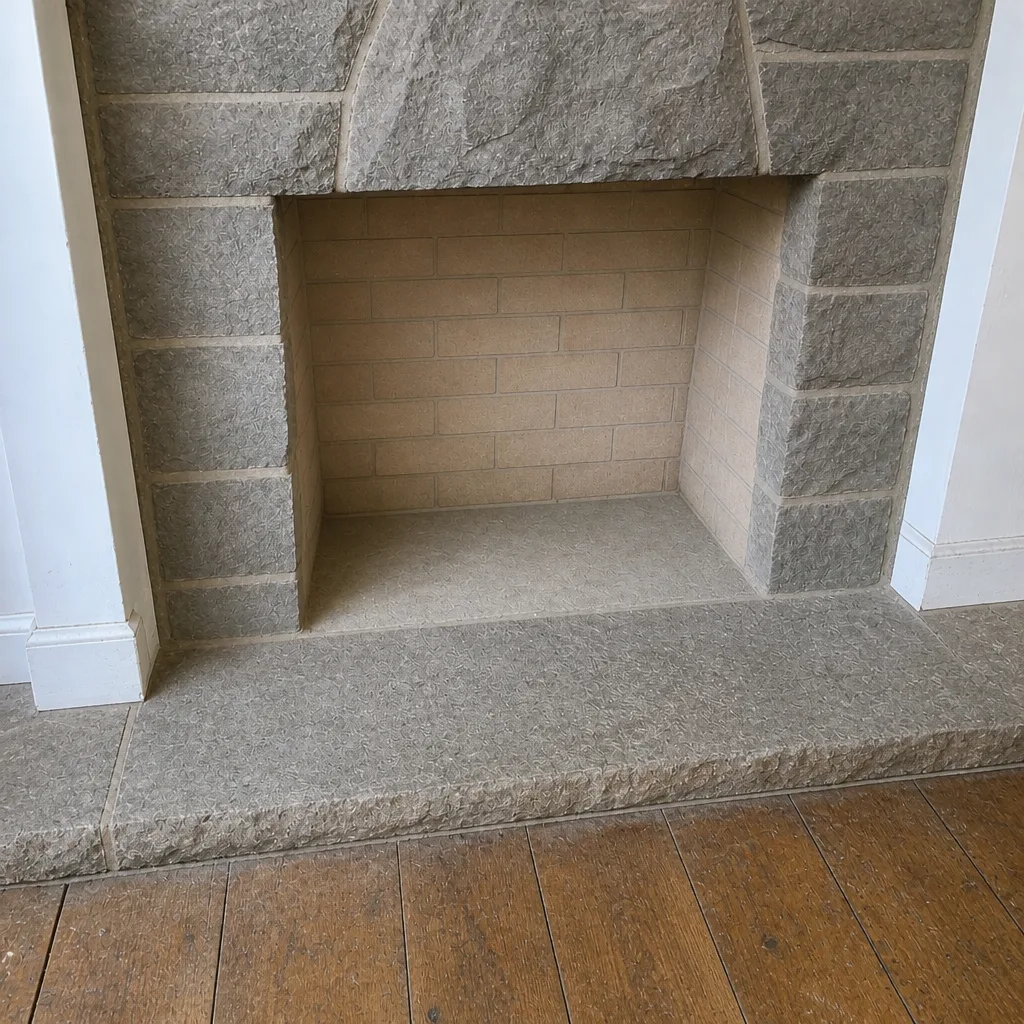
See the difference
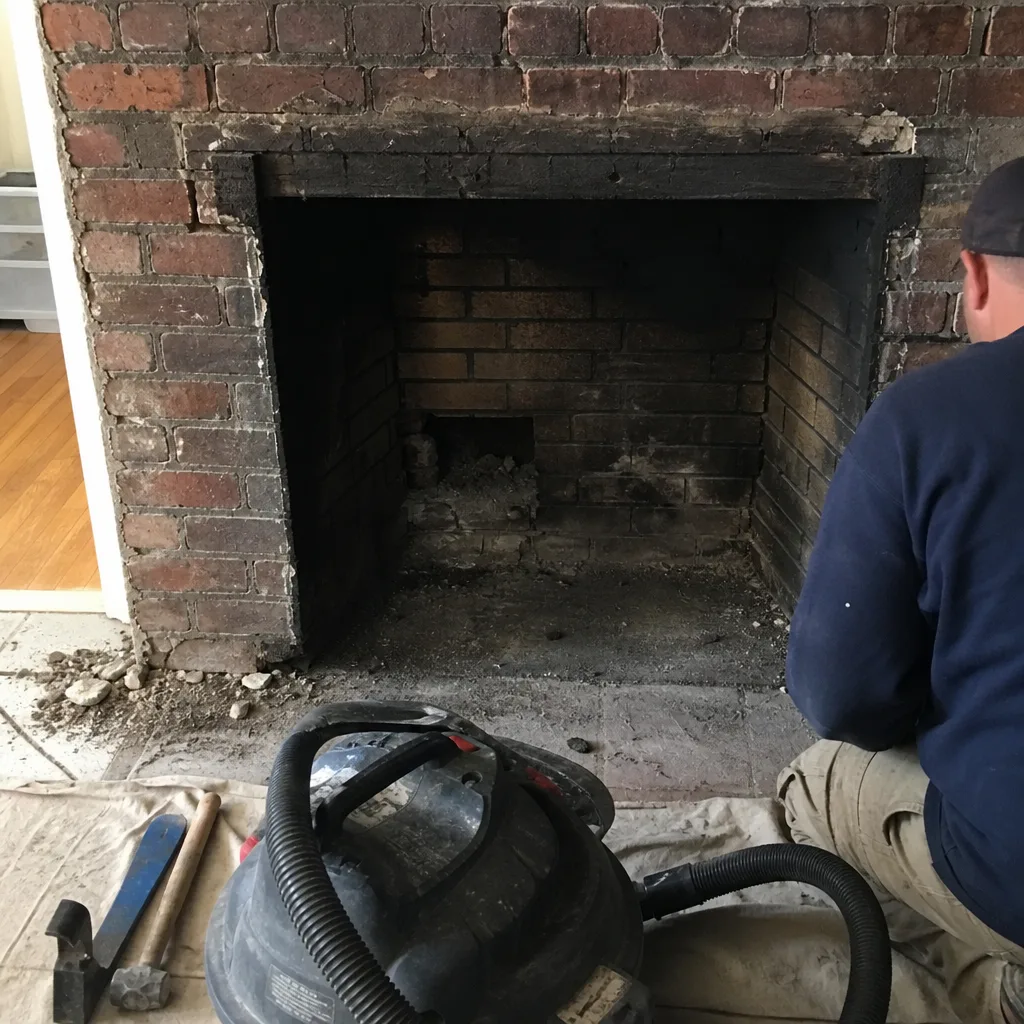 Before
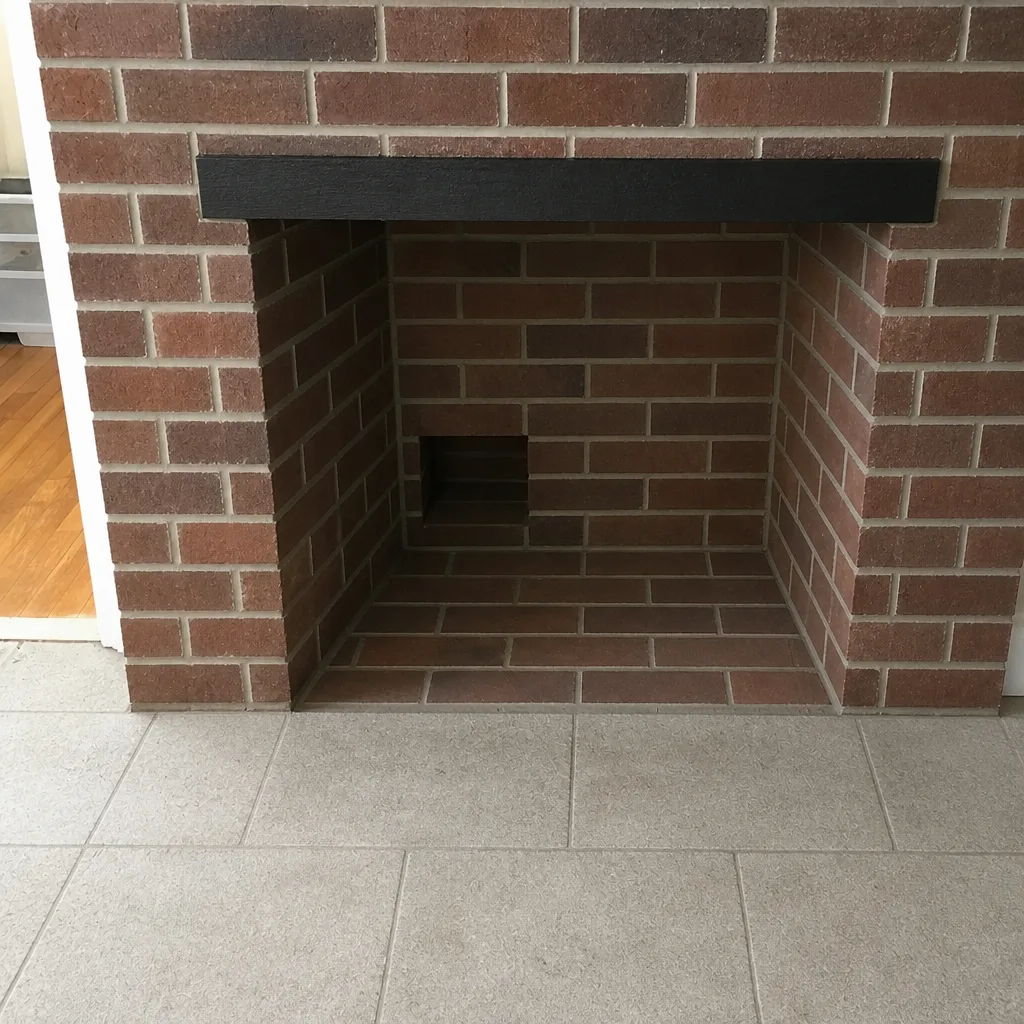 After
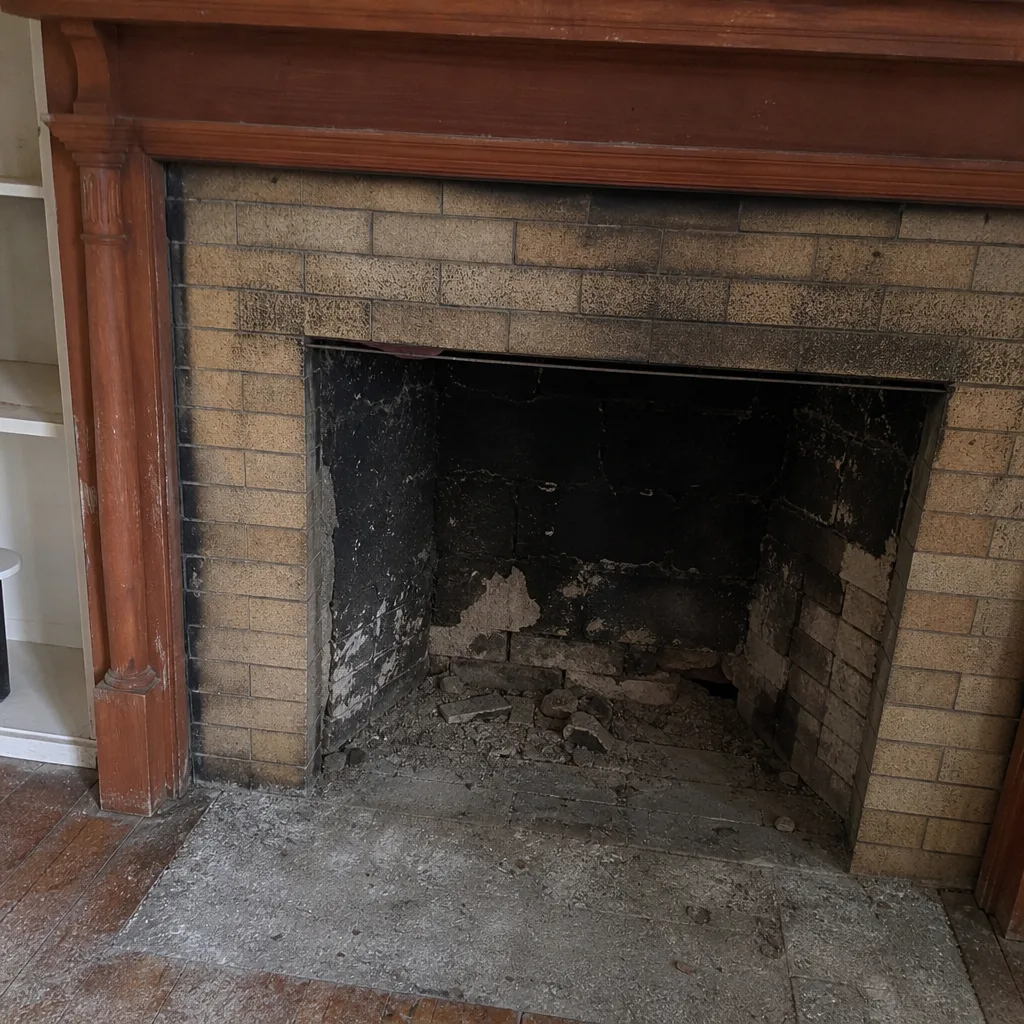 Before
 After
 Before
 After
When to Call a Professional
Call a professional when the flue shows glazed or tar-like creosote, when the cap or crown looks compromised, when a new fire won’t draft, or when it’s been more than a year since the last inspection. Call if you bought a South Buffalo house and haven’t had the chimney looked at. Call if you have a wood-burning fireplace or insert that gets real use and you’re not sure of its condition. And call before the first fire after a cleaning you did yourself, if the deposit looked shiny or hard. A professional visit at the right moment is a diagnosis, a cleaning, a cap and crown check, and a written record you can rely on for years. Chimney Sweep South Buffalo offers free estimates in South Buffalo. Call (855) 337-1696. We answer 24/7. Fast dispatch from 7am to 7pm, Sunday through Friday.
Frequently Asked Questions
Yes, you can do light brush maintenance yourself, and many South Buffalo homeowners do. But DIY brushing is not the same as a cleaning and inspection. The brush pass removes stage-one soot; it can’t remove stage-two or stage-three creosote, and it can’t inspect the liner above the firebox. Call (855) 337-1696 for a free estimate so you have a professional baseline before you start.
For a wood-burning fireplace or insert that gets regular use, plan an annual professional cleaning and inspection, and use DIY brushing as light upkeep between those visits. The annual is the baseline, not the DIY pass. In South Buffalo’s older housing stock, the inspection is at least as valuable as the cleaning. Call (855) 337-1696 to book the annual and get a written report you can rely on.
Stage-one soot is light, powdery, and comes off with a bristle brush. Stage-two creosote is glazed and bonded to the liner and needs a rotary whip, chemical treatment, or professional cleaning to remove. Stage three is a tar glaze. A brush pass handles stage one and leaves the rest. Call (855) 337-1696 if you’ve seen shiny or tar-like deposit in the flue.
It can score the surface of a glazed liner and can catch or twist a damaged liner section that a camera would have caught. On a sound liner and a clean flue, a standard brush kit is safe. On a flue with stage-two deposit or a failing liner, DIY can make things worse. A professional inspection first protects both the liner and your safety. Call (855) 337-1696 for a free estimate.
Start with a professional inspection before lighting the first fire. Don’t do a DIY first-clean on a house you’ve never burned in, because you have no baseline on the liner’s condition. A camera inspection and written report tell you what you actually have, which then decides whether DIY maintenance between visits is a good fit for you. Call (855) 337-1696. We answer 24/7. Fast dispatch from 7am to 7pm, Sunday through Friday.
A professional cleaning includes a camera inspection of the full flue, a smoke chamber evaluation, a cap and crown check from the roof level, and a written condition report with photos. A DIY brush pass is a brush pass. The full visit is the diagnosis. Where liner restoration is the right call, we use HeatShield ceramic resurfacing rather than defaulting to a full rebuild, and where a new liner is needed, we fit DuraFlex flexible systems for older flue profiles. Call (855) 337-1696 for a free estimate.
The Bottom Line
DIY brushing is a real tool for a South Buffalo homeowner with a clean flue history, a gas insert, or a well-seasoned wood fire, and it’s fine as maintenance between professional visits. What a brush pass cannot do is remove glazed creosote, inspect the liner, check the smoke chamber, evaluate cap and crown, or tell you in writing what shape the chimney is in. The home profile where DIY makes the most sense is the one that already has a recent professional baseline inspection. If your chimney doesn’t have that baseline, the first call is the professional one. One visit covers inspection, cleaning, any cap and crown work, and the written report you need to keep the chimney safe. For free estimates in South Buffalo, call us at (855) 337-1696. Our technicians have up to 8 years of experience, and we handle chimney sweeping, chimney inspection, chimney repair, chimney cap and crown installation, and fireplace repair, all under one roof.
Written by the team at Chimney Sweep South Buffalo.