
Last updated November 25, 2026
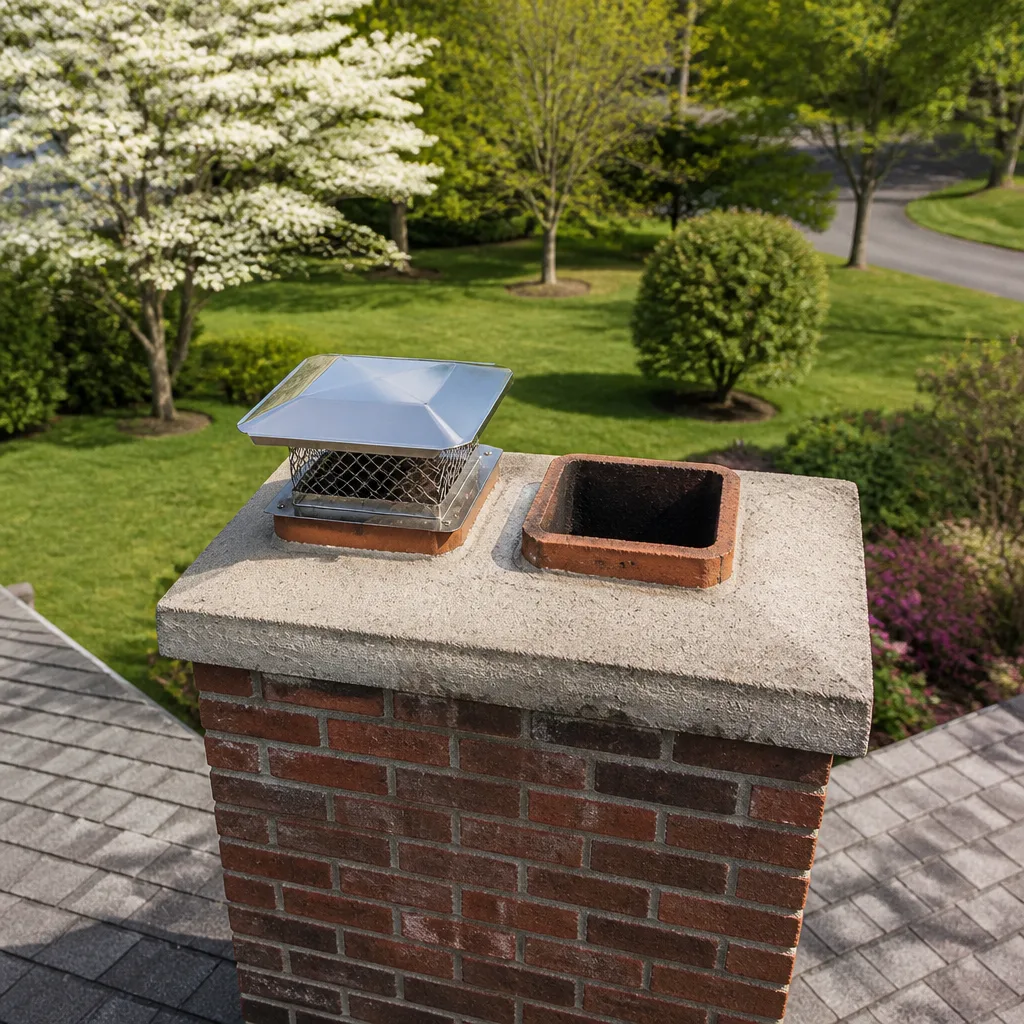 Sweep & inspection
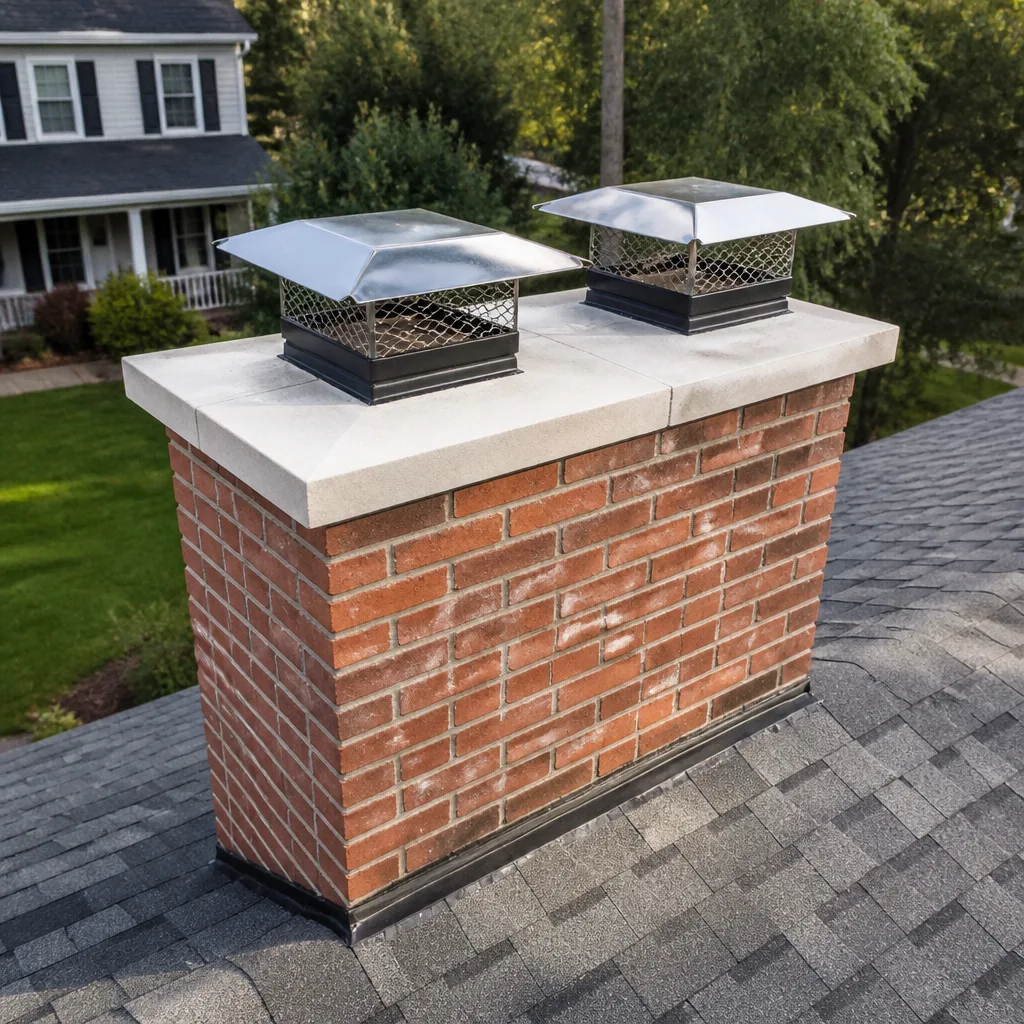 Caps & crowns
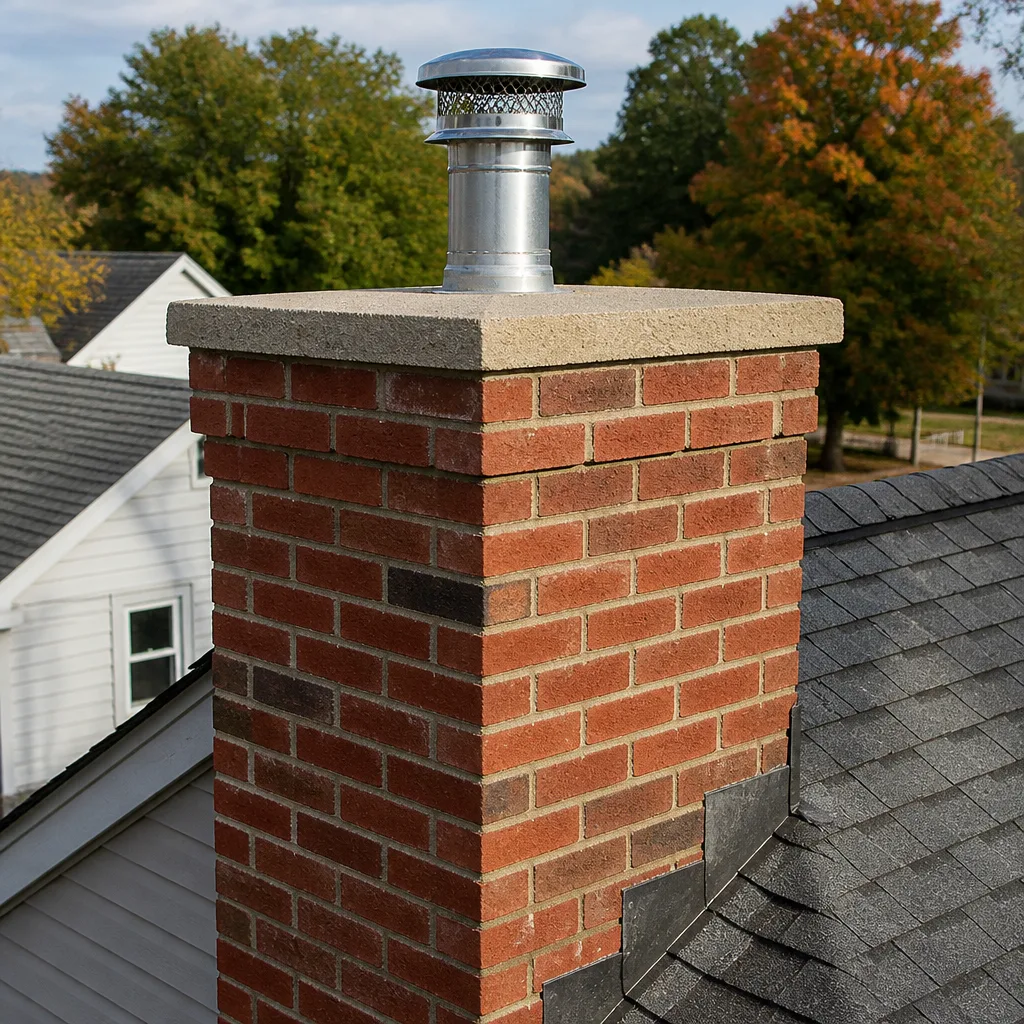 Flue relining
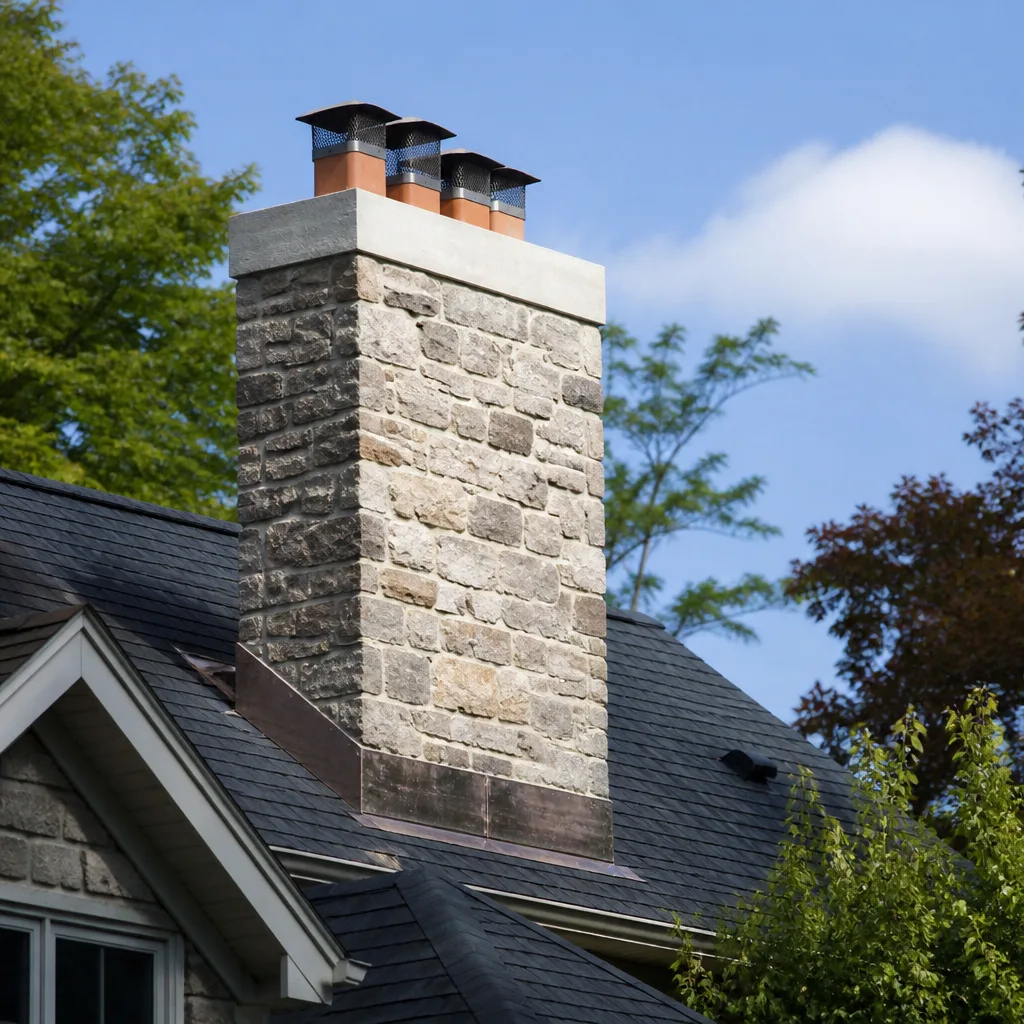 Masonry repair
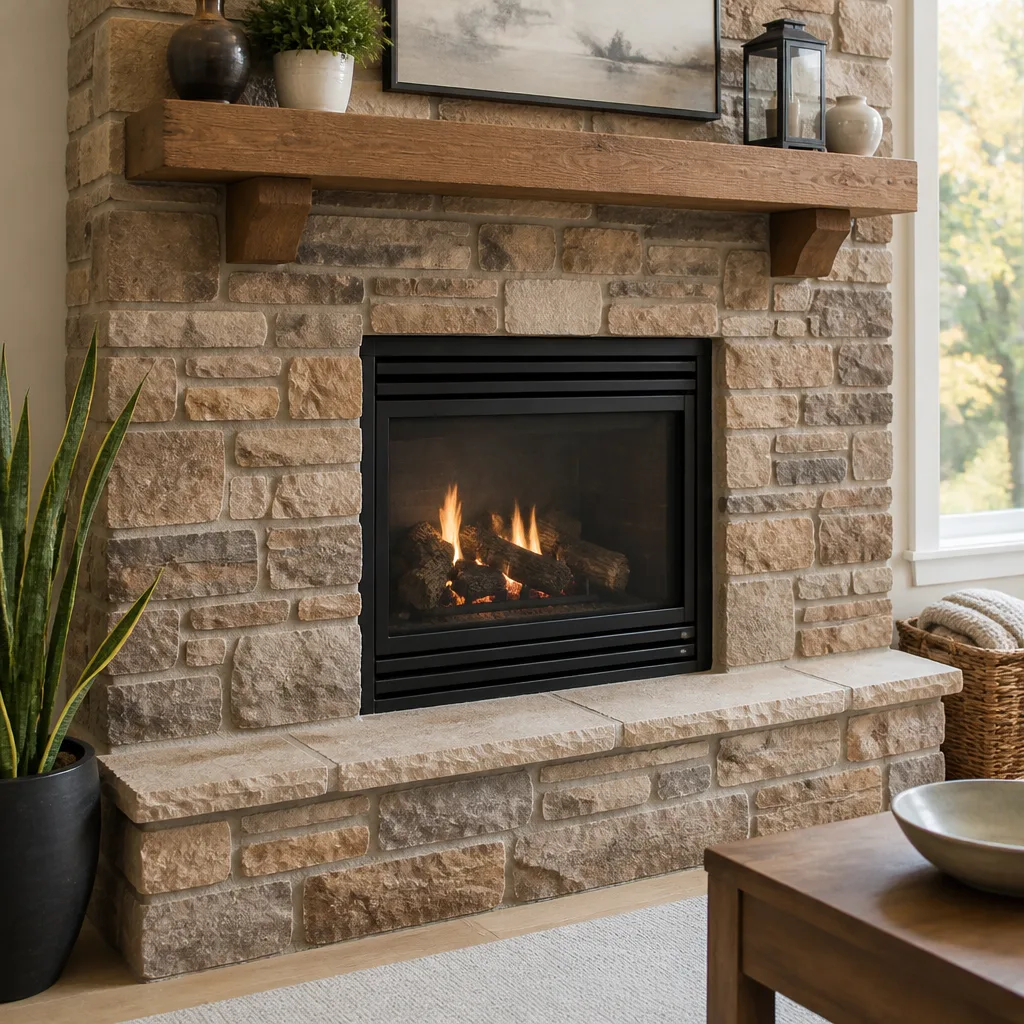 Gas fireplace service
Level 1 sweep and inspection to the NFPA 211 annual standard - flue, crown, cap, and flashing checked and photographed
Chimney sweep logs do not sweep chimneys. They loosen some creosote - which then falls where a brush and vacuum still have to collect it.
Seasonal Chimney Cleaning Care for South Buffalo: Year-Round Homeowner’s Guide
Most homeowners in South Buffalo treat the chimney like a seasonal object: ignored from April to September, then suddenly essential on the first cold night in October. That habit is backwards. The chimney takes its worst punishment during the months nobody thinks about it. A Buffalo winter drives freeze-thaw cycles through mortar joints and crowns, spring rains test every gap winter opened, and summer humidity works on the creosote left behind from last season. By the time you light that first fire, the damage is usually months old. This guide walks you through what each season actually does to your flue system in South Buffalo and what you should be doing about it, month by month.
Quick Answer
Chimney care in South Buffalo should follow a four-season rhythm: sweep in late summer or early fall before the burning season, inspect in spring after the freeze-thaw cycle has done its work, watch for water intrusion through summer, and address cap, crown, and mortar issues before the first hard freeze. The single most useful habit is booking a post-winter inspection, because winter damage is far cheaper to fix in May than in November.
Styles & brands we work with
- Sweep & inspection
- Caps & crowns
- Flue relining
- Masonry repair
- Gas fireplace service
Table of Contents
- What Winter Does to Your Chimney in South Buffalo
- Spring: The Diagnostic Window
- Summer Humidity and Creosote
- Fall Timing: Why September Beats October
- Month-by-Month South Buffalo Chimney Calendar
- Signs Your Chimney Needs Attention Right Now
- Common Mistakes to Avoid
- Frequently Asked Questions
What Winter Does to Your Chimney in South Buffalo
Winter is the season that quietly does the most structural damage to chimneys across South Buffalo, and most of it happens when the fireplace is cold. The culprit is freeze-thaw. Masonry is porous. It absorbs moisture from rain, snow melt, and flue condensation. When the temperature drops below freezing, that trapped water expands and pushes the masonry apart from the inside. When it thaws, more water moves in. Repeat that cycle through a Buffalo winter and you get hairline cracks that widen into spalling brick, crumbling mortar joints, and a crown that starts to separate from the flue.
The crown is the most exposed piece of the system, which is why it takes the worst of it. A crown with a hairline crack looks fine from the ground in January, but each freeze widens that crack a little. By March you may have water running down the inside of the flue instead of off the roof.
Liners are at risk too, but for a different reason. A clay tile liner expands and contracts with heat from fires, and the same freeze-thaw logic applies to moisture that gets behind it. Older homes in South Buffalo, many of them built before flexible liners were standard, often have clay tile flues with gaps at the joints. Winter finds those gaps.
What to look for in March:
- Crumbling or missing mortar in the joints above the roofline
- Brick faces flaking or popping off (spalling)
- A crown with visible cracks or a gap where it meets the flue
- White, chalky staining on the exterior masonry (efflorescence, a sign of water pushing through)
- Rust on a damper or firebox components, which points to moisture getting in
None of these require a ladder climb on your part. Spotting them from the ground and booking an inspection is enough. The point of a March look is to catch winter damage before spring rain has a chance to work on it.
Spring: The Diagnostic Window
Spring is when a chimney tells the truth. The freeze-thaw cycle is over, the roof is accessible, and any damage winter opened is visible before summer moisture has compounded it. In our experience, this is the single most valuable inspection window of the year, and it’s the one most homeowners skip.
Here’s why timing matters so much. A cracked crown in April is a cosmetic issue with a straightforward fix. Leave that same crack alone through a wet Buffalo summer and water starts migrating into the flue structure, the firebox, and eventually the framing around the chimney. What started as a crown repair becomes a masonry job. The spring inspection is the cheapest insurance you’ll buy all year.
A proper spring inspection covers:
- The crown and cap. Cracks, gaps, and a missing or damaged cap that lets water and animals in.
- The exterior masonry. Mortar joints, spalling brick, and any sign of water penetration.
- The flue interior. A camera inspection shows the liner condition, joint gaps, and leftover creosote from the burning season.
- The firebox and damper. Cracks in the firebox brick, a damper that no longer seals, and rust from winter moisture.
- The flashing at the roofline. Where the chimney meets the roof is where most leaks start, and spring is when a leak is easiest to trace.
If the inspection turns up a cracked liner, spring is also the sane time to deal with it. A flexible liner system like DuraFlex is designed for the irregular, older flue profiles common in South Buffalo’s aging housing stock, and it can be installed without a full flue rebuild. For liners that are still structurally sound but have surface damage, HeatShield resurfacing repairs the flue from the inside out, without tearing the chimney apart. Either way, doing that work in spring means it’s done long before you need the fireplace.
Spring is also when a chimney repair is easiest to schedule and least rushed. Nobody is calling about a cold house in May.
Summer Humidity and Creosote
Summer looks like the off-season. It isn’t. Two things happen inside an unswept flue in a Buffalo summer, and both make fall worse.
The first is creosote hardening. Creosote is the tar-like residue left by wood smoke. Fresh creosote is soft and relatively easy to remove. Let it sit through a humid summer and it cures into a hard, glossy, glass-like layer that is far more stubborn, and far more flammable. The summer heat doesn’t create creosote. It bakes what’s already there into something harder to sweep and more dangerous to burn.
The second is moisture. A chimney with a missing cap or a cracked crown is a chimney with an open door to summer rain and humid air. That moisture does two things: it feeds the freeze-thaw problem you’ll face next winter, and it rusts dampers, firebox components, and any metal in the system. A capped, well-sealed chimney stays dry inside through the summer. An uncapped one doesn’t.
What summer care actually looks like:
- Confirm the cap is intact and properly fitted. A chimney cap & crown that seals the flue is the cheapest moisture defense you have.
- Check the crown for cracks that opened over the winter.
- Watch for water stains on the ceiling or chimney breast after heavy rain. That’s a flashing or crown problem announcing itself.
- Listen for birds or scratching in the flue. An uncapped chimney is a nesting site, and a blocked flue is a carbon monoxide problem.
- If you haven’t swept since last season, book it now, before the fall rush. See our chimney sweep page for what a sweep involves.
Summer is quiet, which makes it the best time to get on the schedule. The work you book in July is the work that isn’t a scramble in October.
Fall Timing: Why September Beats October
The most common mistake we see in South Buffalo is waiting until the first cold snap to think about the chimney. By October, everyone in the region has the same idea at once, and the calendar fills. September is the smarter window, and here’s the practical reason: a September sweep leaves you time to fix whatever the sweep turns up.
A sweep that finds a cracked crown in September means the repair gets done before the first freeze. A sweep that finds the same crack in late October means you’re either burning with a compromised chimney or waiting for a fix while the weather turns. The difference between September and October isn’t the quality of the work. It’s the amount of runway you have.
What should be confirmed before your first fire of the season:
- The flue is clean. A sweep clears creosote and any debris that collected over the summer.
- The cap is in place and secure. No nests, no obstructions, no missing cap.
- The crown is sound. No cracks that let water in.
- The damper opens and closes cleanly. A stuck damper is a smoke problem and a safety problem.
- The liner has been inspected. Especially in older South Buffalo homes with clay tile flues, a camera check confirms the joints are intact before you burn.
- You know the sweep history. If you don’t know when the chimney was last cleaned, treat it as overdue.
One more fall note: this is the season to confirm your wood is actually seasoned. Wet wood produces more creosote than dry wood, and a chimney that’s clean in September can be coated again by December if the wood isn’t ready. Seasoned wood, a clean flue, and a sound cap are the three things that make a safe burning season.
Month-by-Month South Buffalo Chimney Calendar
Generic national chimney advice doesn’t fit a Buffalo climate, so here’s a calendar built around what actually happens in South Buffalo across the year. Treat it as a rhythm, not a rigid schedule. The point is that every month has something worth a glance.
January and February are peak burning season. Your job is to burn dry wood, avoid over-firing, and keep an eye (and nose) out for smoke backing into the room or a fire that struggles to draw. Those are early warning signs, not normal behavior.
March is your first look after winter. Walk the yard and check the chimney from the ground: mortar, brick faces, crown, cap. Book the inspection now while the freeze-thaw damage is fresh and visible.
April and May are the diagnostic window. A full inspection confirms what winter did and lets you schedule repairs calmly. This is the month to deal with a damaged liner, a cracked crown, or masonry work, before the wet season and long before you need the fireplace again.
June, July, and August are moisture-watch months. Confirm the cap is intact, look for ceiling stains after storms, and get on the sweep schedule early. A summer sweep clears hardened creosote while there’s no pressure to rush.
September is the ideal sweep month. Clean flue, inspected liner, confirmed cap and crown, all with weeks of buffer before the first fire.
October and November are for the pre-season check and the first burns. If you missed September, this is your last clean window before the cold sets in. Confirm the cap, dampers, and flue before the first fire.
December is full burning season again. Keep the firebox clear, burn seasoned wood, and don’t ignore a change in how the fireplace behaves.
Written out, it’s a simple cycle: inspect after winter, protect through summer, sweep in fall, burn carefully in winter. South Buffalo homeowners who follow it rarely find themselves booking an emergency sweep in the middle of a cold snap, because the problems got caught in March and fixed in May.
Signs Your Chimney Needs Attention Right Now
Seasonal care is about prevention, but some signs mean don’t wait for the calendar. These are the ones worth a call regardless of the month:
- Smoke rolling back into the room when you light a fire. A blocked or undersized flue, a stuck damper, or a nest can all cause it.
- A strong, acrid smell from the fireplace even when it’s not burning. That’s often creosote off-gassing, and it gets worse in humid weather.
- Water stains on the ceiling or chimney breast after rain. That’s a cap, crown, or flashing leak that won’t fix itself.
- Crumbling mortar or flaking brick above the roofline. Winter damage that needs prompt repair before the next freeze.
- A damper that won’t seal, letting heated air escape and cold air in.
- Any change in how the fireplace draws compared to last season. A flue that suddenly smokes is telling you something changed.
Smoke backing into a room and a blocked flue are worth treating seriously. Carbon monoxide has no smell, and a flue that can’t vent properly is the mechanism by which it gets into a home. If your carbon monoxide alarm sounds or you smell gas, get out and call your gas provider. For anything less urgent, a professional inspection is the right next step. Chimney and flue work involves heights, confined spaces, and combustion safety, and it isn’t a job to take on yourself.
If you’re working through a list of issues and want the full system looked at, our Chimney Sweep South Buffalo team handles sweeping, inspection, repair, caps and crowns, and fireplace repair, so the diagnosis and the fix happen in one place rather than across three contractors.
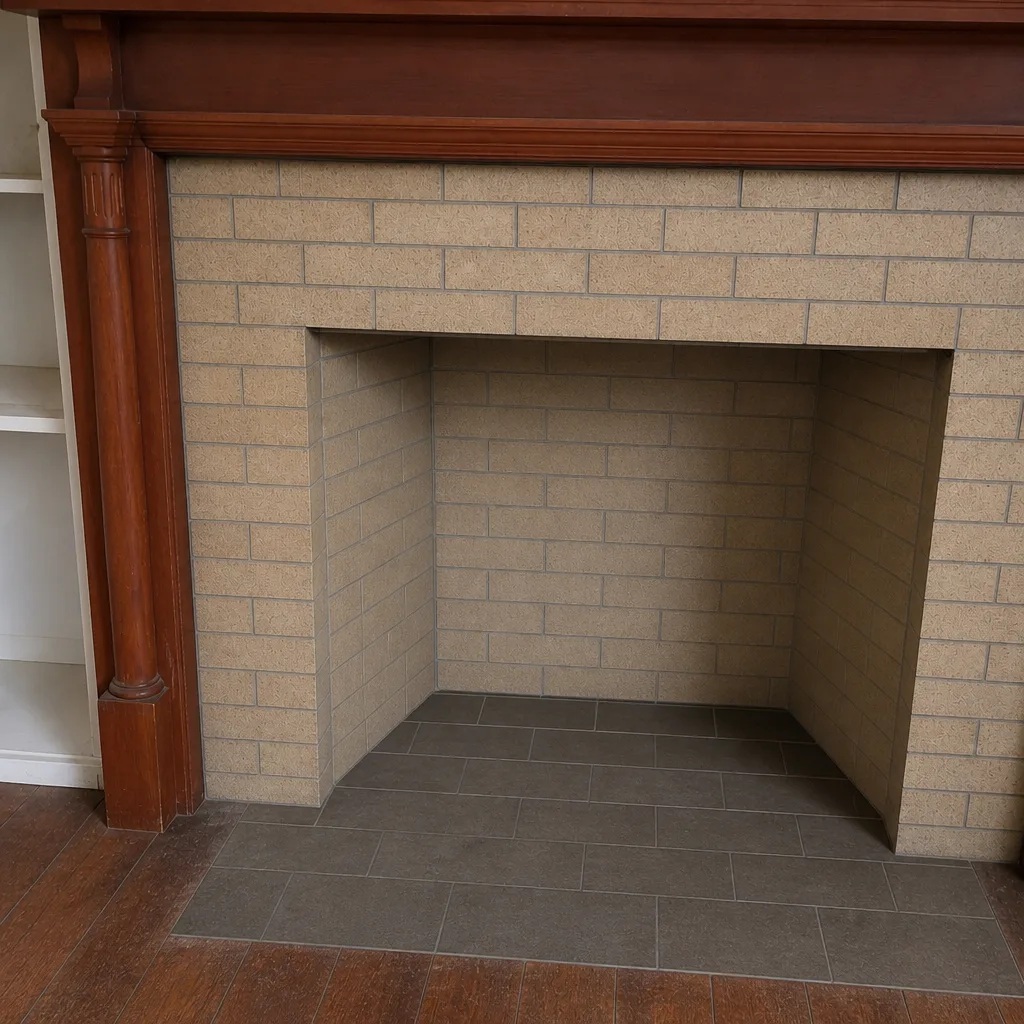
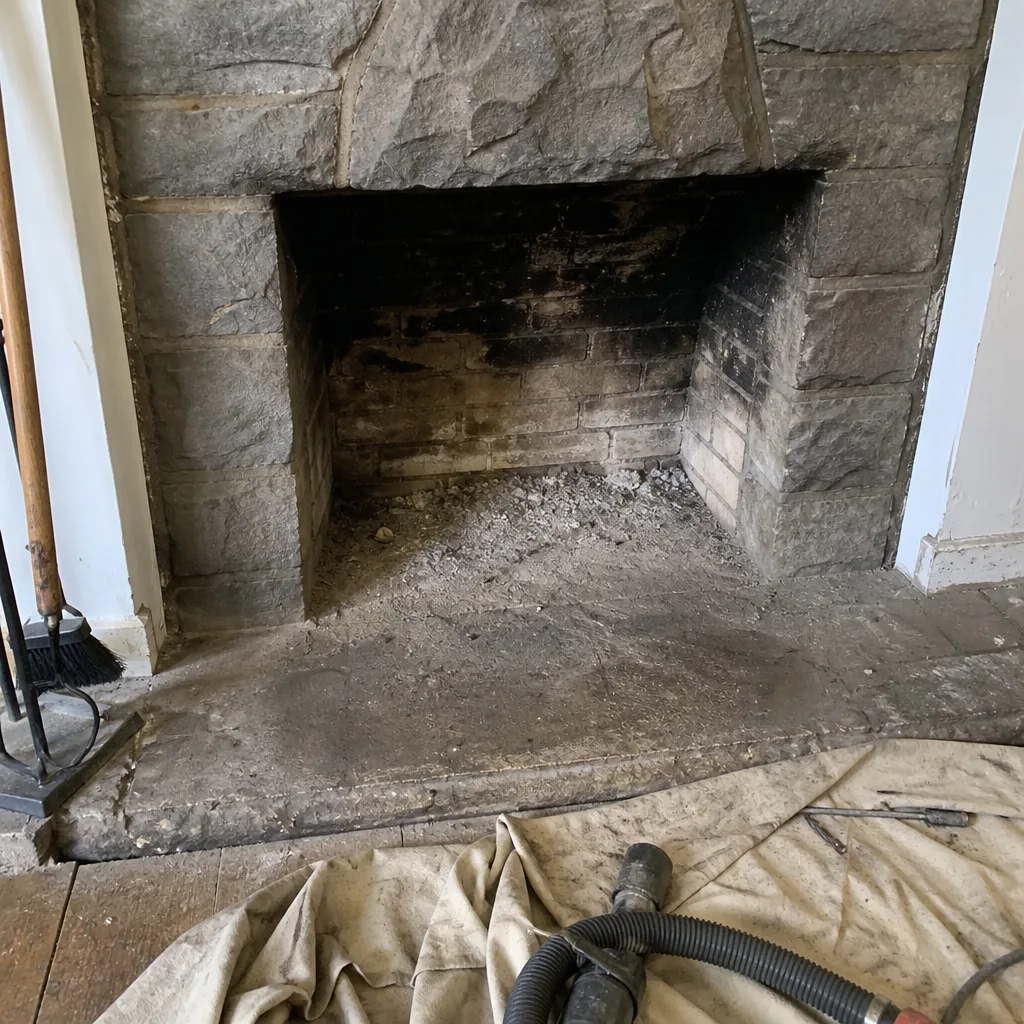
See the difference
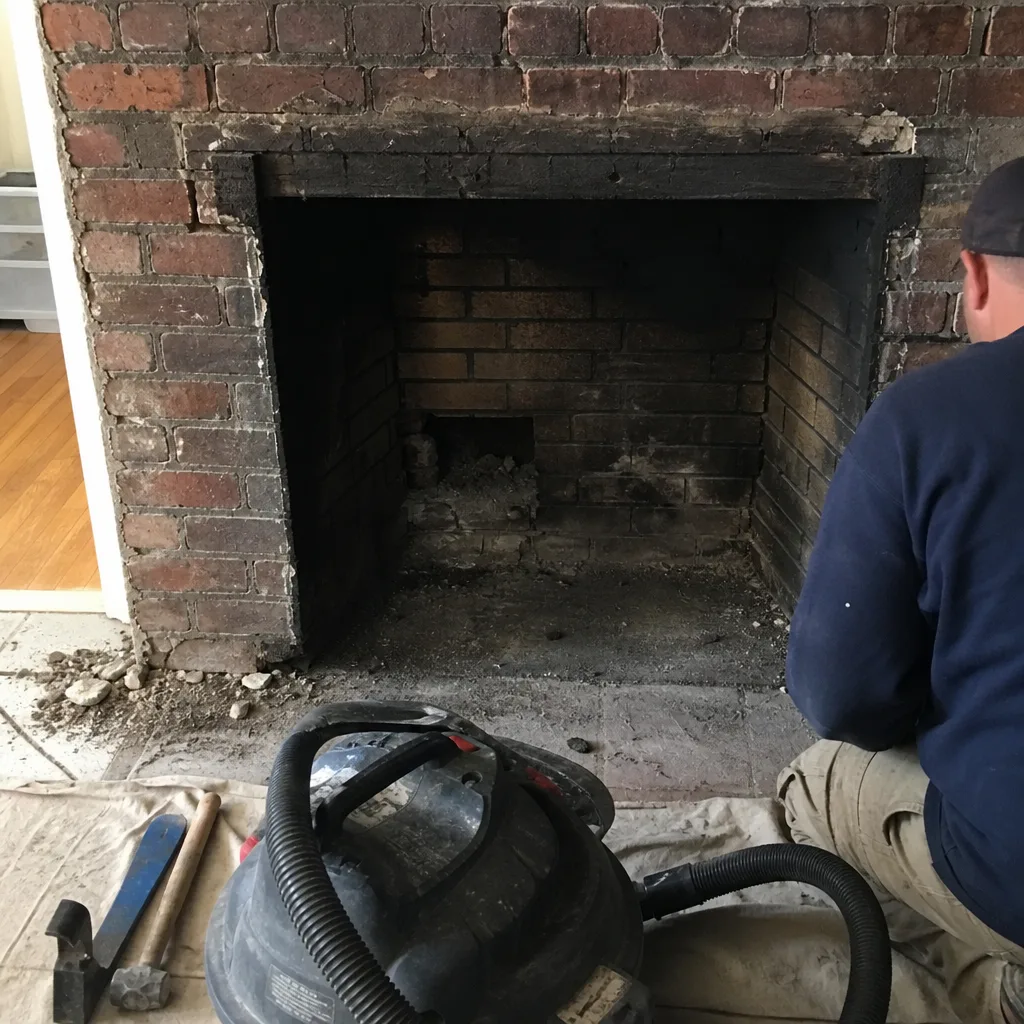 Before
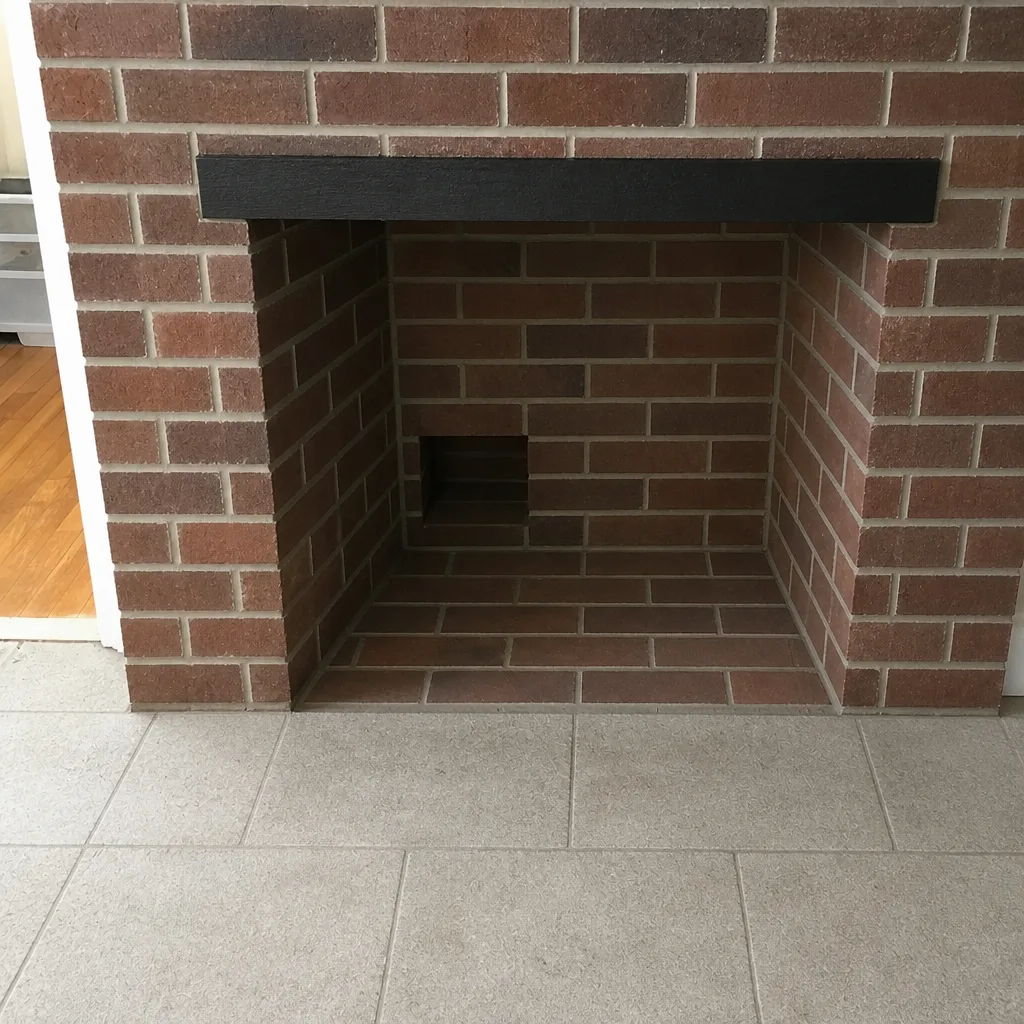 After
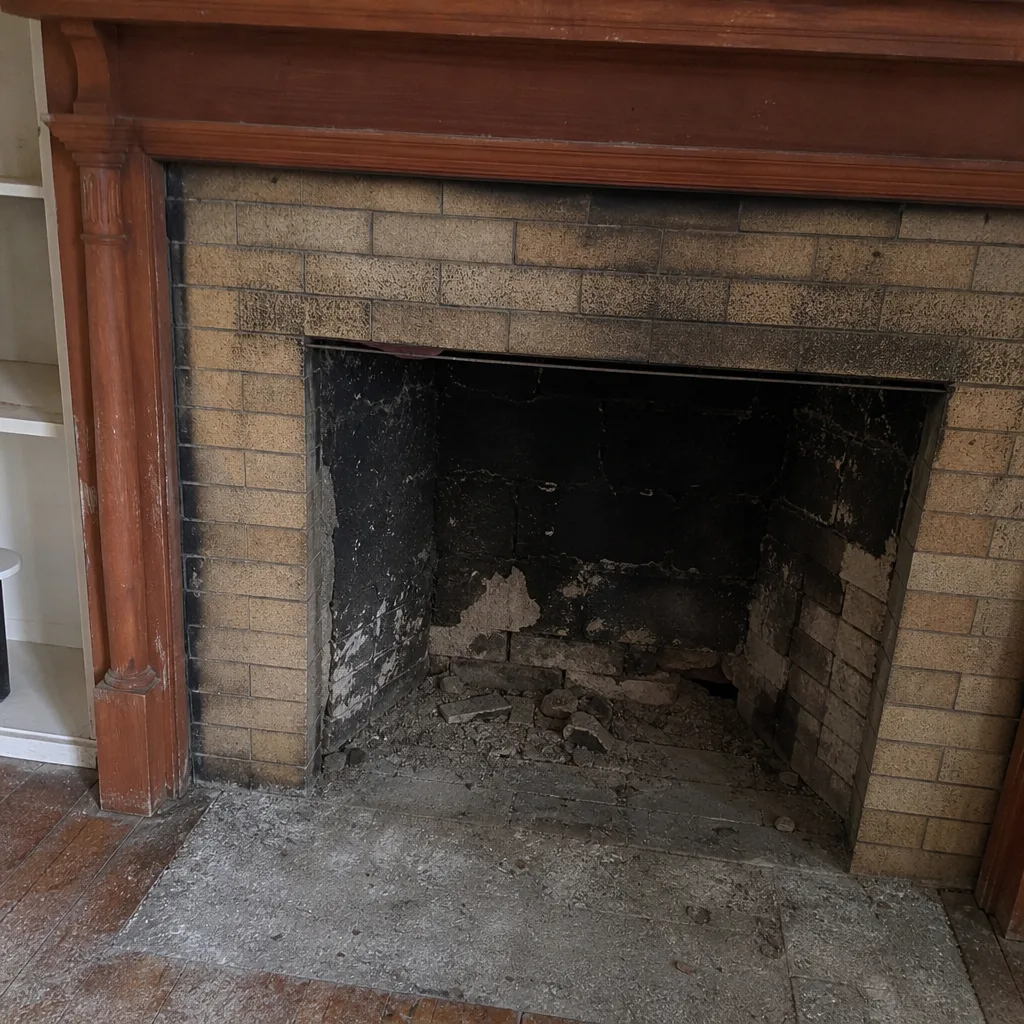 Before
 After
 Before
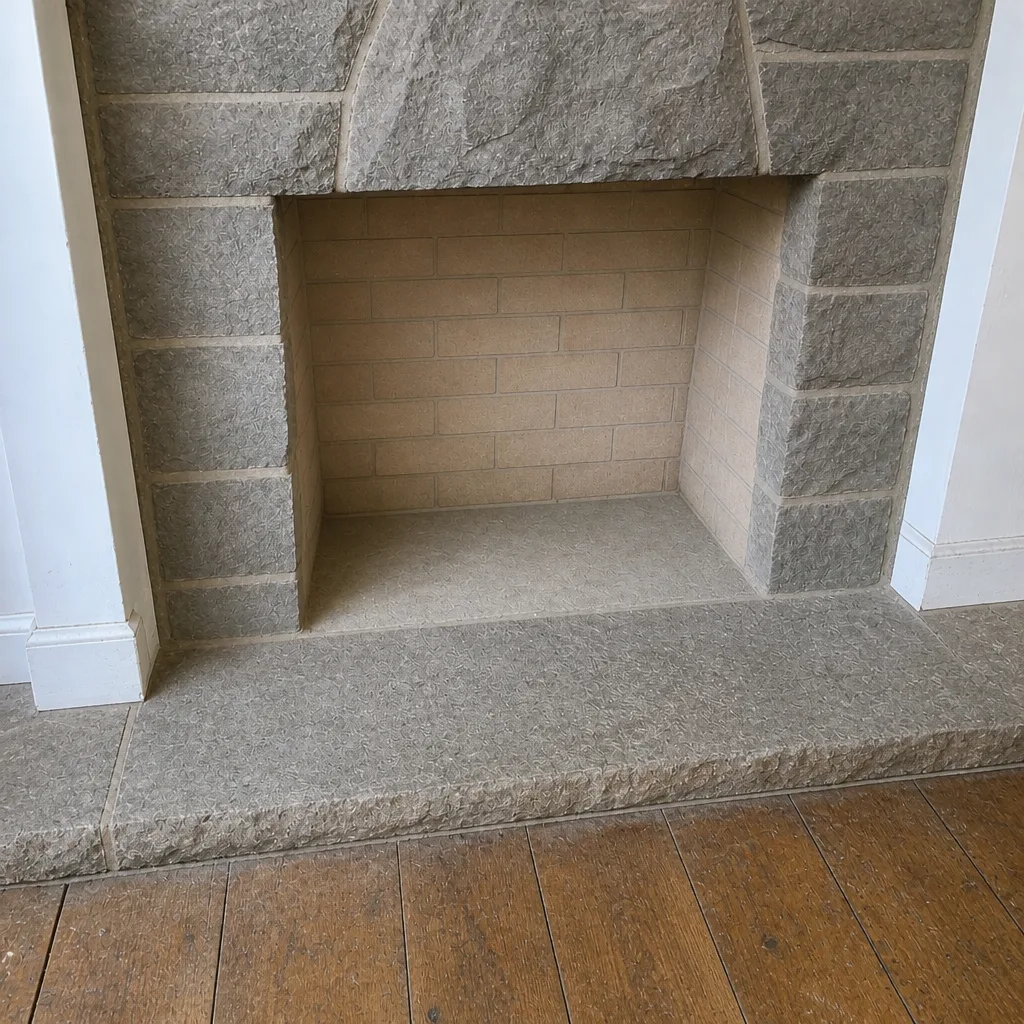 After
Common Mistakes to Avoid
- Waiting until the first cold night to book a sweep. By October the schedule is full and any repair the sweep finds has to wait. September solves this.
- Skipping the post-winter inspection. Winter damage is cheapest to fix in spring. Ignoring it through a wet summer turns a small repair into a masonry project.
- Leaving the chimney uncapped through summer. An open flue collects rain, humidity, and birds. A proper cap is one of the least expensive protections you can add.
- Burning wet or unseasoned wood. It produces far more creosote than dry wood, and that creosote hardens further through the humid months. Season your wood before you burn it.
- Assuming a gas insert doesn’t need attention. Gas fireplaces vent too, and the venting, cap, and firebox still need inspection. A gas appliance isn’t a maintenance-free one.
- Hiring a sweep-only company for a repair. A sweep that finds a cracked liner but can’t fix it leaves you sourcing a second contractor. Look for a company that handles the whole system, including liner work, cap and crown, and fireplace repair.
- Trusting a “sweep and run” visit with no inspection. A sweep without a look at the liner, crown, and cap misses the things that actually fail. Ask what gets inspected, not just what gets cleaned.
When to Call a Professional
Call a professional when the chimney shows any of the warning signs above, when you move into an older South Buffalo home and don’t know the chimney’s history, or when it’s simply been a while since the last sweep. Annual inspection and cleaning is the baseline most chimney professionals recommend for a chimney in regular use, and a wood-burning fireplace used as a real heat source deserves that rhythm. Call sooner if you see water intrusion, crumbling masonry, smoke backing up, or a damper that won’t seal.
Chimney Sweep South Buffalo offers free estimates in South Buffalo. Call (855) 337-1696. We answer 24/7, and fast dispatch runs 7am to 7pm, Sunday through Friday. The local pro is licensed and insured as their state requires, the sweep price is agreed before booking, and a camera inspection with a photo report is included so you can see exactly what we see. Nothing gets recommended that isn’t backed by footage you can review yourself, and we’ll tell you plainly when a repair can safely wait. Chimney repair is part of the same visit when it’s needed.
Frequently Asked Questions
Once a year for a chimney in regular use, ideally in late summer or early fall before the burning season. A wood-burning fireplace used as a real heat source should be swept annually, and a post-winter inspection catches structural damage the sweep alone won’t. If you burn heavily or burn unseasoned wood, ask about frequency at your inspection. Call (855) 337-1696 for an exact quote, and estimates are free.
Creosote builds up, hardens through the humid months, and becomes more flammable, which raises the risk of a chimney fire. Skipping also means winter damage goes unnoticed, so small cracks become real leaks. None of this is imaginary, and none of it is a reason to panic, just a reason to book. Call (855) 337-1696 for an exact quote, and estimates are free.
Not always. A liner needs replacing when it’s cracked, gaping at the joints, or deteriorated past repair, and a camera inspection tells you which situation you’re in. Clay tile flues in older South Buffalo homes are the ones most likely to need attention. A flexible liner like DuraFlex can often reline an irregular old flue without a rebuild, and HeatShield resurfacing can restore a liner that’s structurally sound but worn. Call (855) 337-1696 for an exact quote, and estimates are free.
Yes, for diagnosis. Spring catches the freeze-thaw damage from winter before summer moisture makes it worse, and it gives you time to schedule repairs without pressure. Fall is the better time for the sweep itself, ideally September. Together they cover the whole year. Call (855) 337-1696 for an exact quote, and estimates are free.
Yes. A gas fireplace vents its exhaust too, and the venting, cap, and firebox still need inspection even though there’s no creosote to sweep. Blocked or damaged venting on a gas appliance is a carbon monoxide concern, which is why seasonal checks matter just as much as they do for wood. Call (855) 337-1696 for an exact quote, and estimates are free.
Pricing is per job, set by a written estimate, and it depends on the chimney’s condition, how much creosote is present, and whether repairs are needed. The sweep price is agreed before booking, and the camera inspection and photo report are included. Call (855) 337-1696 for an exact quote, and estimates are free.
What’s the one thing I should do this month?
If it’s spring, book the post-winter inspection. If it’s summer, confirm the cap and get on the sweep schedule. If it’s fall, sweep in September. If it’s winter, burn dry wood and watch for changes in how the fireplace draws. Call (855) 337-1696 for an exact quote, and estimates are free.
Look for a company that handles the whole system, not just sweeping: inspection, repair, cap and crown, liner work, and fireplace repair. The local pro is licensed and insured as their state requires, includes a camera inspection and photo report, and names the materials used. Chimney Sweep South Buffalo works with professional-grade brands including DuraFlex, HeatShield, Gelco, Olympia Chimney, Famco, and Copperfield, so the parts behind the work are the same ones chimney specialists rely on. Call (855) 337-1696. We answer 24/7, and fast dispatch runs 7am to 7pm, Sunday through Friday.
The Bottom Line
Chimney care in South Buffalo works best as a year-round rhythm rather than a fall scramble. Inspect in spring after the freeze-thaw cycle, protect the flue through summer, sweep in September before the rush, and burn carefully through winter. The homeowners who never face a January emergency are the ones who caught winter damage in March and booked the sweep in September, not October. A sound cap and crown, a swept flue, a checked liner, and seasoned wood cover almost everything. When a repair does come up, one company that handles sweeping, inspection, repair, caps and crowns, and fireplace repair saves you the referral runaround.
Call (855) 337-1696 for a free estimate. We answer 24/7. Fast dispatch from 7am to 7pm, Sunday through Friday.
Written by the team at Chimney Sweep South Buffalo.