
Last updated November 25, 2026
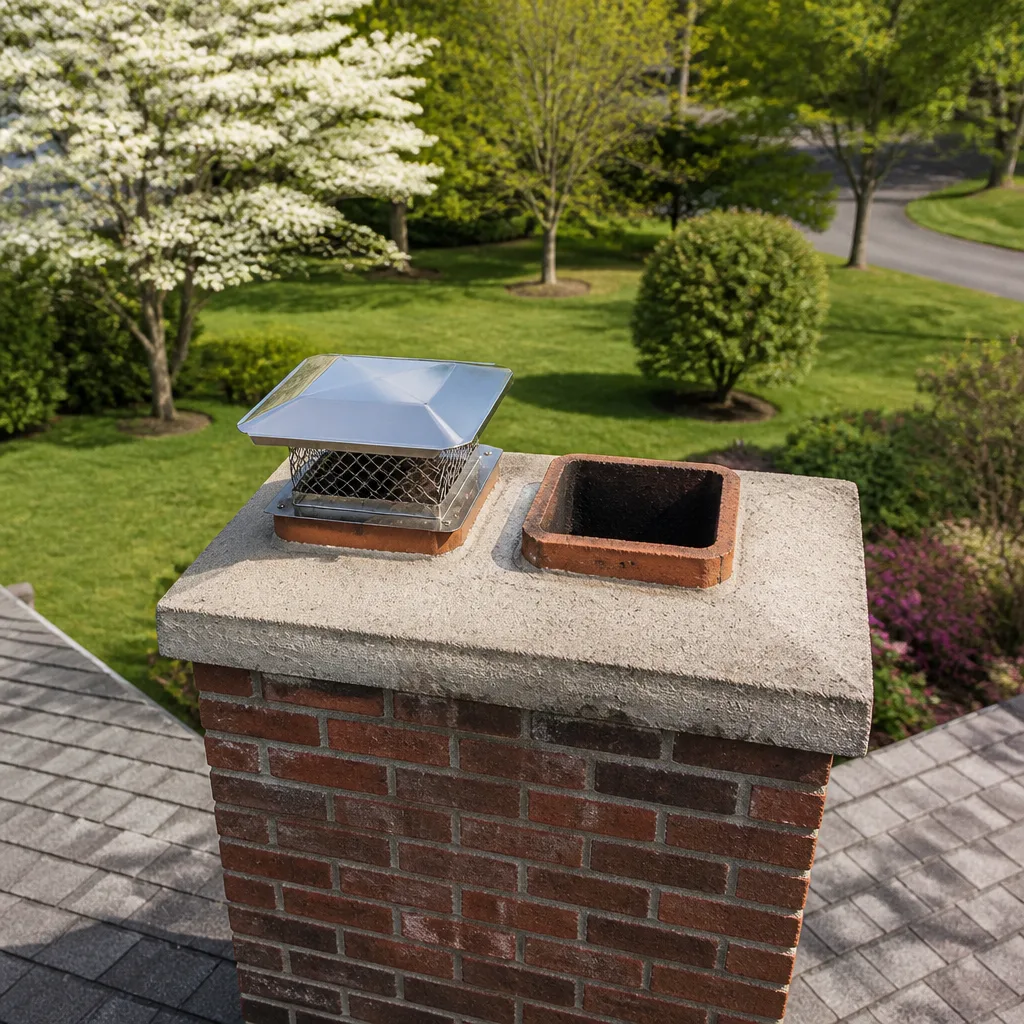 Sweep & inspection
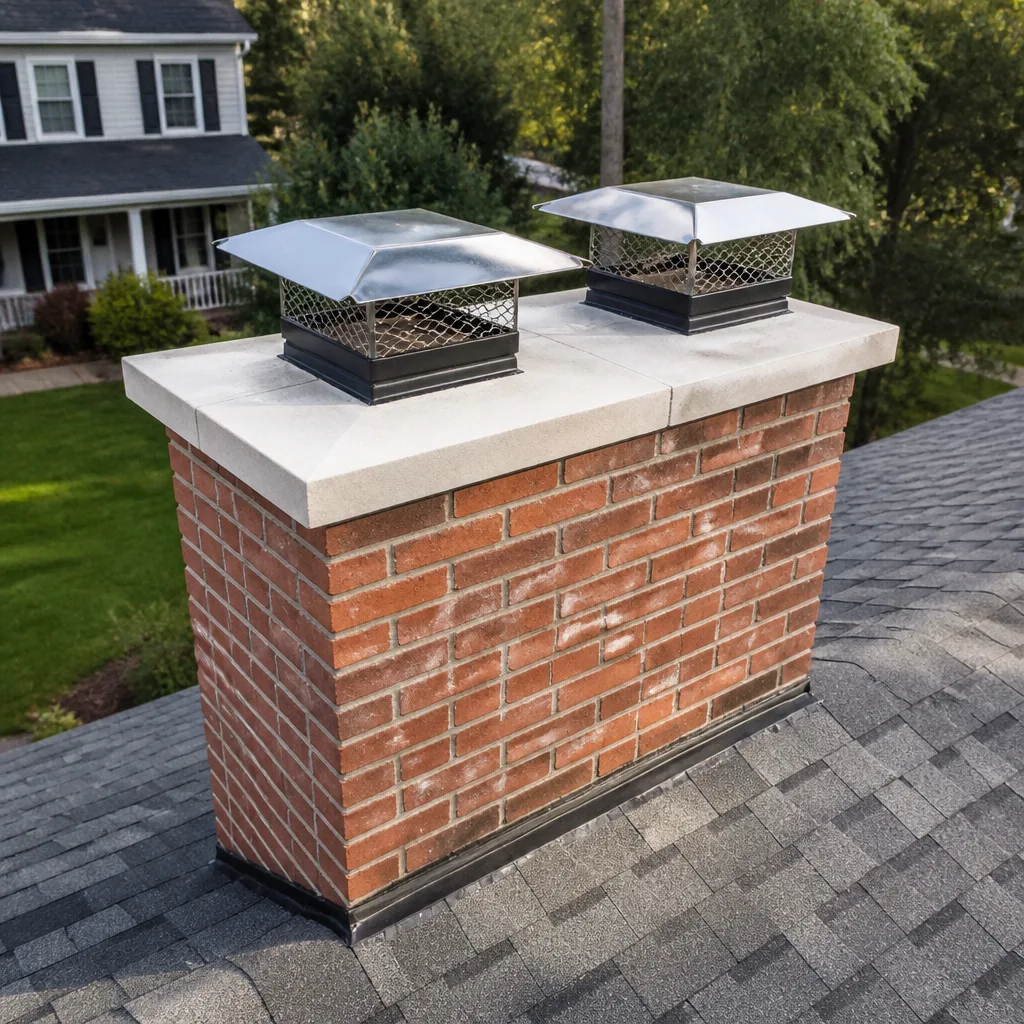 Caps & crowns
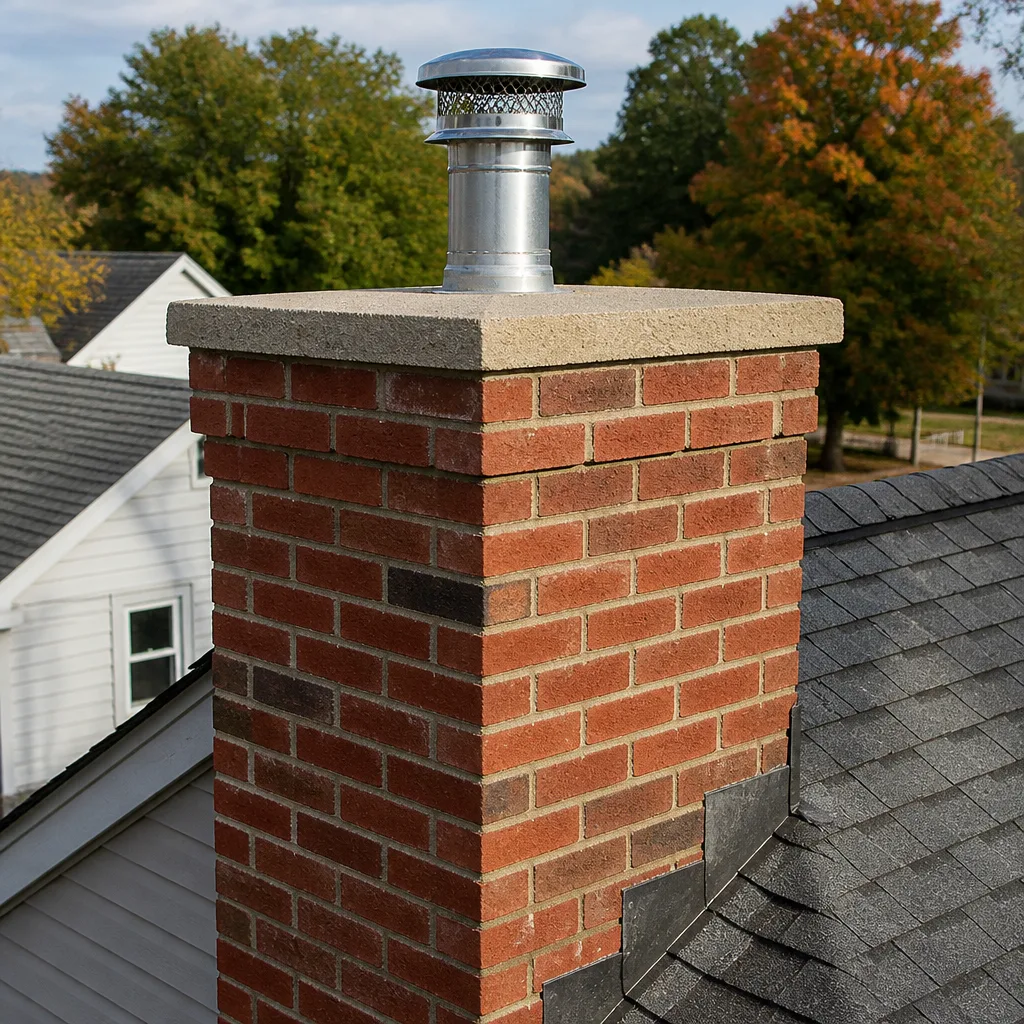 Flue relining
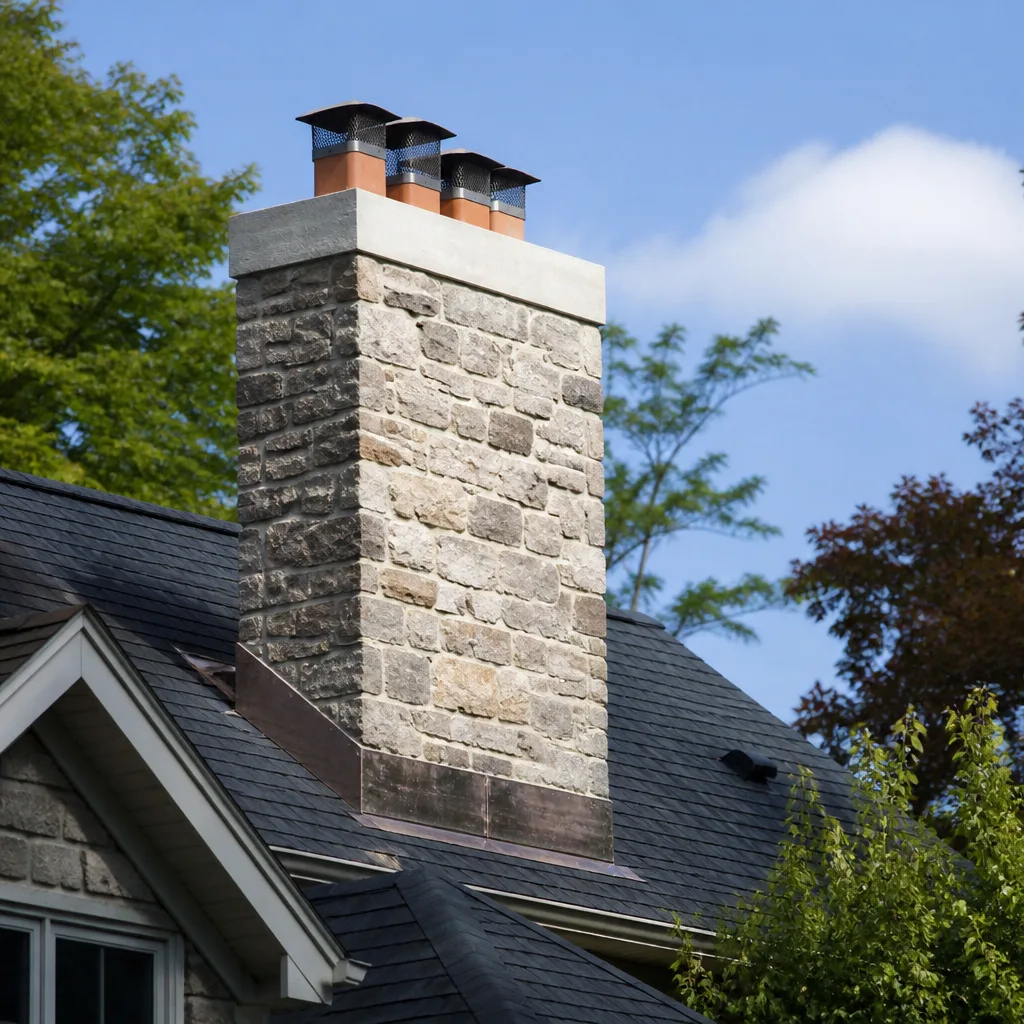 Masonry repair
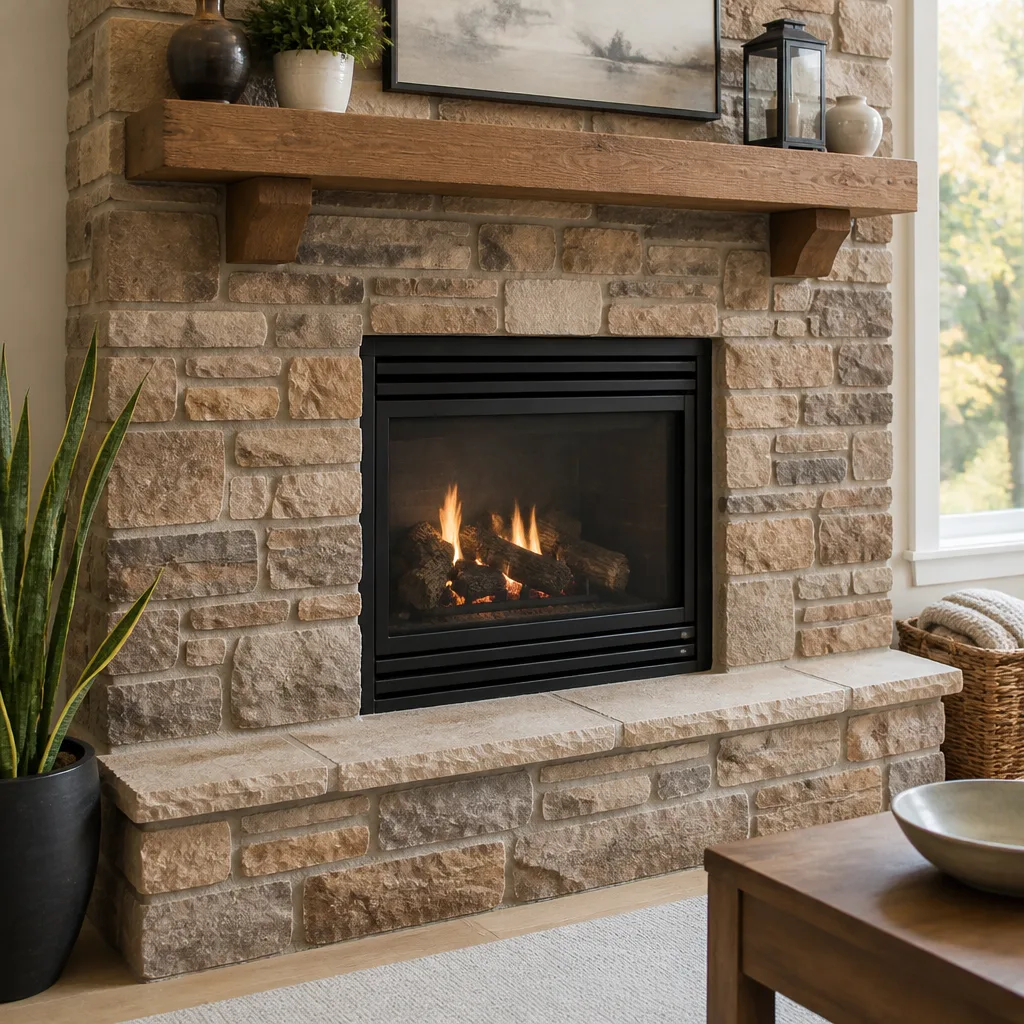 Gas fireplace service
Level 1 sweep and inspection to the NFPA 211 annual standard - flue, crown, cap, and flashing checked and photographed
Chimney sweep logs do not sweep chimneys. They loosen some creosote - which then falls where a brush and vacuum still have to collect it.
Chimney Cleaning Permits, Codes & Inspections in South Buffalo, NY: What You Need to Know
Most South Buffalo homeowners assume the permit question only matters for big renovations – the addition, the new roof, the deck. The chimney is usually an afterthought until someone is standing in the living room talking about a liner. Here’s the counterintuitive part: a routine chimney cleaning almost never needs a permit in New York, but the moment a contractor touches your liner, crown, or flashing, the picture changes fast. Unpermitted liner work in Erie County can complicate a homeowner’s insurance claim and create a disclosure problem when you sell, and most people discover this well after the work is done. This guide walks through what New York State code and City of Buffalo rules actually require, where the cleaning-versus-repair line sits, how NFPA 211 fits into insurance claims, and the exact questions to ask before you authorize structural or liner work on a South Buffalo home.
Quick Answer
In South Buffalo, routine chimney cleaning typically requires no permit, but repair, relining, crown replacement, and flashing work usually do fall under New York State Building Code and City of Buffalo permit rules. Confirm NFPA 211 compliance, ask who is pulling the permit before work starts, and get it in writing that the contractor – not you – carries that responsibility. If the job is cleaning and inspection only, you’re almost always in the clear.
Styles & brands we work with
- Sweep & inspection
- Caps & crowns
- Flue relining
- Masonry repair
- Gas fireplace service
Table of Contents
- Cleaning vs. Repair: Where the Permit Line Actually Sits
- What New York State Building Code Requires for Chimney Work
- How Erie County and City of Buffalo Rules Apply to South Buffalo Properties
- What NFPA 211 Is and Why It Matters for Insurance
- What a Proper Inspection Looks Like Step by Step
- Questions to Ask Before You Authorize Liner or Structural Work
- Why South Buffalo’s Older Housing Stock Changes the Equation
- How the Permit Process Usually Goes
Cleaning vs. Repair: Where the Permit Line Actually Sits
The single most useful distinction for a South Buffalo homeowner is this: cleaning is maintenance, repair is construction. A standard chimney sweep removes creosote, soot, and blockages from the flue. It doesn’t alter the structure of the chimney, and it doesn’t require a permit in New York. That’s true whether you’re in South Buffalo or anywhere else in Erie County. Repair, on the other hand, changes the physical system, and that’s where permits come in.
Here’s the breakdown that matters:
- No permit typically required: standard sweeping, level 1 visual inspection, cap replacement (in most cases), screen cleaning, and damper adjustment.
- Permit usually required: liner replacement or installation of a new flexible liner, crown rebuild or significant crown repair, masonry rebuild above the roofline, flashing replacement, firebox rebuild, and any structural alteration to the chimney chase.
- Permit sometimes required: cap installation when it involves new anchoring or structural modification, chimney height extension, and major repointing on exposed masonry.
Why the distinction matters: unpermitted structural work can void a homeowner’s insurance coverage on a chimney-related claim, and it can surface as a disclosure issue when you sell. In South Buffalo, where most of the housing was built in the first half of the twentieth century, liner work is common – which means the permit question comes up more than homeowners expect. If a contractor tells you a liner replacement doesn’t need a permit, that’s a red flag worth pausing on before you sign anything. We name the materials we use – DuraFlex, HeatShield, Gelco, Olympia Chimney, Famco, Copperfield – and we name the permit responsibility the same way: clearly, in writing, before work starts.
What New York State Building Code Requires for Chimney Work
New York State Building Code (based on the International Residential Code with state amendments) governs chimney construction and alteration across the state, and local jurisdictions like the City of Buffalo enforce it. For a South Buffalo homeowner, the practical points are these:
- Chimney construction and alteration require a permit. Any new chimney, any structural alteration to an existing one, and any relining that changes the flue’s material or dimensions falls under the code’s construction provisions.
- Work must comply with NFPA 211. The state code references NFPA 211, the standard for chimneys, fireplaces, vents, and solid fuel-burning appliances, as the technical baseline for installation and repair.
- Inspections are required at defined stages. Structural work typically requires an inspection before the flue is concealed – meaning the inspector needs to see the liner or flue construction before it’s closed up with masonry or a crown.
- Contractors must be licensed and insured as their state requires. New York licenses certain trades at the state level and the City of Buffalo layers its own registration on top for work performed within city limits.
- Final inspection closes the permit. The job isn’t officially done until the final inspection passes; an open permit can complicate a future sale.
The common failure mode we see in South Buffalo is a contractor who skips the permit because “it’s just a liner.” A liner replacement changes the flue’s interior surface and, in the case of an insulated DuraFlex system, its thermal properties. That’s a code-relevant alteration. It’s also the kind of work a homeowner has no way to verify after the fact unless someone documented it properly with photos and a permit record. Ask for the permit number before work begins, and keep it with your home records.
One more code point worth knowing: a wood-burning fireplace and a gas insert have different venting requirements, and a repair that’s fine for one can be wrong for the other. If you’re unsure what your system actually has, a professional inspection settles it before anyone starts cutting.
How Erie County and City of Buffalo Rules Apply to South Buffalo Properties
South Buffalo sits entirely within the City of Buffalo, which means the permitting authority is the city’s Department of Permit and Inspection Services, not Erie County directly. Erie County sets some broader standards through its building code adoption, but the day-to-day permit office you’ll deal with is the city’s. That matters for how work gets scheduled, inspected, and closed out.
For South Buffalo specifically, three things stand out:
- Age of housing stock. Most South Buffalo homes were built between roughly 1900 and 1950, which means many have original masonry chimneys with clay tile flues. Clay tile liners crack with age and thermal cycling, and a cracked liner is exactly the scenario where a permit-required reline becomes necessary rather than optional.
- Neighborhood density and setback rules. South Buffalo’s tight residential lots and shared sightlines mean chimney height and cap work need to comply with both code and neighborhood expectations. Caps and crowns that don’t fit the original chimney profile stand out on a street like Seneca or Abbott.
- Winter work windows. Buffalo winters shorten the practical window for exterior masonry work, which means crown repair and flashing jobs often get compressed into spring and fall. Permits pulled later in the year can push into the next season, so timing matters.
The City of Buffalo inspection requirement is a stage inspection on structural work – the inspector wants to see the installation before it’s concealed. That’s not a burden; it’s a feature. It’s the reason a permitted liner job gives you something to point to if a future buyer or insurer asks questions. If you want to understand what full-scope repair looks like on a South Buffalo home, our chimney repair page walks through the typical sequence.
We always tell South Buffalo homeowners to ask one direct question before any structural work: “Are you pulling the permit, and can I have the number?” A contractor who follows code has no problem answering. One who deflects is telling you something.
What NFPA 211 Is and Why It Matters for Insurance
NFPA 211 is the National Fire Protection Association’s standard for chimneys, fireplaces, vents, and solid fuel-burning appliances. It’s the technical reference that New York State Building Code defers to for chimney construction and repair, and it’s the standard a chimney professional is expected to work to. For a South Buffalo homeowner, it matters for three concrete reasons:
- It defines inspection levels. NFPA 211 establishes Level 1 (visual, routine), Level 2 (accessible areas plus video scanning, required after a chimney fire, a change in appliance, or a property transfer), and Level 3 (diagnostic, when a hazard is suspected in concealed areas).
- It sets installation requirements. Liner materials, clearances to combustibles, crown construction, and cap height all have NFPA 211 baselines. A liner installed to a different standard may not perform the way it needs to.
- It anchors insurance claims. After a chimney fire or a carbon monoxide incident, insurers look for evidence the system was maintained and repaired to a recognized standard. A documented NFPA 211 inspection, a permit record, and photo documentation of a compliant installation all support a claim. Their absence can complicate one.
A Level 2 inspection with video scanning is what we recommend for any South Buffalo home that’s changing hands, changing appliances, or has had a chimney fire – even a small one. The camera doesn’t lie, and it means the recommendations you get are based on what’s actually in the flue rather than what a salesperson assumes. Our technicians are trained on HeatShield resurfacing, DuraFlex flexible liners, and the professional-grade components from Gelco, Olympia Chimney, Famco, and Copperfield that meet NFPA 211 requirements when installed correctly.
If your contractor can’t tell you which NFPA 211 inspection level they performed, that’s a gap. It should be on the written report. If it isn’t, ask.
What a Proper Inspection Looks Like Step by Step
Here’s what a code-compliant, NFPA 211-referenced inspection actually involves, in order. This is the sequence we follow on South Buffalo homes, and it’s the sequence any qualified professional should follow:
- Exterior assessment. The technician checks the crown for cracks, the cap for damage, the flashing for separation, and the masonry for spalling, efflorescence, or displacement. In South Buffalo, freeze-thaw cycles expose crown cracks faster than in milder climates, so this step catches a lot.
- Firebox and damper check. The firebox is examined for cracks in the brick or mortar joints, and the damper for proper operation and fit. A gas insert gets a different check than a wood-burning fireplace.
- Smoke chamber and flue transition. This is where blockages and offsets tend to hide. A visible check catches obvious issues; a video scan is what actually confirms the flue interior.
- Flue scan. A camera run through the flue documents tile condition, gaps, and any signs of previous fire damage. This step is required for a Level 2 inspection and produces the photos that support both repair recommendations and insurance documentation.
- Appliance connection. The stovepipe or insert flue connection is checked for secure fit and clearances to combustibles.
- Written report. The findings are documented with photos, referenced against NFPA 211 levels, and organized into what needs repair now, what can wait, and what requires a permit if repaired.
The photo report is the piece homeowners tend to undervalue until they need it. Camera evidence is what lets you verify a recommendation rather than take it on faith, and it’s what an insurer will want after a claim. We include a camera inspection and photo report on every job precisely because it’s the difference between a recommendation and a documented one.
Questions to Ask Before You Authorize Liner or Structural Work
Before you sign off on a liner replacement, crown rebuild, or any structural repair, get clear answers to these five questions. Ask them out loud and write down the answers:
- “Is this repair permit-required under New York State Building Code, and are you pulling the permit?” The answer should be a clear yes or no, with the permit number provided before work begins for anything structural.
- “What NFPA 211 inspection level produced this recommendation?” A liner replacement recommendation should come from a Level 2 inspection at minimum, with video evidence.
- “Which liner system, and why that one?” The answer should name a professional-grade material – DuraFlex, HeatShield, or an equivalent – and explain why it fits your flue profile.
- “Who is responsible for the final inspection?” On permitted work, that’s the contractor. Get it in writing that the final inspection is their responsibility to close out.
- “Can I get the photo report and inspection documentation?” A professional will hand these over without hesitation. They’re part of the job, not a premium tier.
We name the materials we use before we start, and we name them the same way after the job is done. If the recommendation is HeatShield resurfacing rather than a full DuraFlex reline, you’ll see the flue condition that justifies it. If the recommendation is to wait, you’ll see that too. Nothing in a South Buffalo chimney gets replaced on a hand-wave – it gets replaced on camera evidence you can look at yourself.
For South Buffalo homes with original clay tile liners, the most common answer to the liner question is a flexible system, because original flue profiles from that era are rarely straight. A rigid liner can fight the flue; a flexible DuraFlex system follows it. That’s a technical distinction worth asking about directly.
Why South Buffalo’s Older Housing Stock Changes the Equation
A chimney in a South Buffalo home built in 1930 is not the same chimney as one built in 1990. The differences show up in the flue, and they shape the permit picture:
- Original clay tile liners. Many South Buffalo chimneys still carry their original clay tile. Tile cracks from thermal cycling and from the freeze-thaw swings common to the region, and cracked tile means a reline – which means a permit.
- Irregular flue profiles. Older brick chases were rarely perfectly plumb or straight. Flexible liner systems (DuraFlex) handle the offsets that older housing stock produces, which is one of the reasons we lean on them.
- Previous unpermitted repairs. Homeowners buy a South Buffalo property and discover later that a previous owner had a liner installed without a permit, or a crown patched with mortar that’s already failing. A thorough Level 2 inspection is how you find that out before it becomes your problem.
- Gas insert conversions. A gas insert added to a wood-burning fireplace changes the venting requirements. If the conversion wasn’t documented and permitted, it can surface at sale or at insurance review.
We’ve seen enough unpermitted liner work in South Buffalo to know it’s the exception rather than the rule, but it’s common enough that any pre-purchase inspection should specifically look for it. The fix is usually straightforward once documented, and it’s much cheaper to address before a transaction than after.
Chimney cap and crown work on these older homes also has a permit angle: crown replacement is a structural repair and typically requires a permit, while a cap replacement often doesn’t unless it changes the chimney’s profile. Our chimney cap & crown page covers the specifics for South Buffalo houses.
How the Permit Process Usually Goes
For a South Buffalo homeowner hearing “we need to pull a permit,” here’s what actually happens from start to close, so there are no surprises:
- Scope is defined from the inspection report. The permit application describes the work precisely – liner replacement, crown rebuild, flashing replacement – based on what the inspection found.
- Contractor submits the application. On permitted work, the licensed and insured contractor submits to the City of Buffalo Department of Permit and Inspection Services. Some minor work falls under a simplified permit category; structural liner work does not.
- Permit is issued. Timelines vary with the city’s workload, which is one of several reasons to schedule structural work before winter closes the window.
- Work proceeds and is inspected at the required stage. The inspector sees the liner or structural work before it’s concealed. This is the step that protects you – it’s third-party verification of the installation.
- Final inspection and permit close. The job is officially complete. Keep the closed permit with your home records for insurance and future sale.
If a South Buffalo contractor tells you the job is done without any mention of a final inspection on permitted work, ask. An open permit is a real problem at sale, and it happens more often than it should.
Common Mistakes to Avoid
- Assuming “no permit for cleaning” means “no permit for anything.” Cleaning is exempt; repair, relining, crown, and flashing work usually aren’t. The distinction is the whole game – know which side of it you’re on before you authorize work.
- Letting a contractor tell you the liner “doesn’t need a permit.” A liner replacement is a structural alteration under New York State code. If the answer to the permit question is automatically no, ask why and get it in writing.
- Accepting a repair recommendation with no camera evidence. If you can’t see the flue condition that justifies a liner or crown recommendation, you’re being asked to take it on faith. Ask for the photo report.
- Skipping the Level 2 inspection on a recent purchase. South Buffalo’s older housing stock hides unpermitted prior work. A Level 2 inspection with video scanning is what finds it before it becomes your claim.
- Not keeping the closed permit. The permit record and inspection documentation are your evidence of a code-compliant installation. They matter at insurance claim time and at sale. Keep them where you keep the deed.
- Scheduling structural work too late in the year. Buffalo winters compress the exterior masonry window, and a permit pulled in late fall can push into the next season. Plan crown and flashing work for spring or early fall.
- Ignoring a small chimney fire. Even a small chimney fire can crack tile and leave the flue non-compliant. A Level 2 inspection after any fire is standard, not optional.
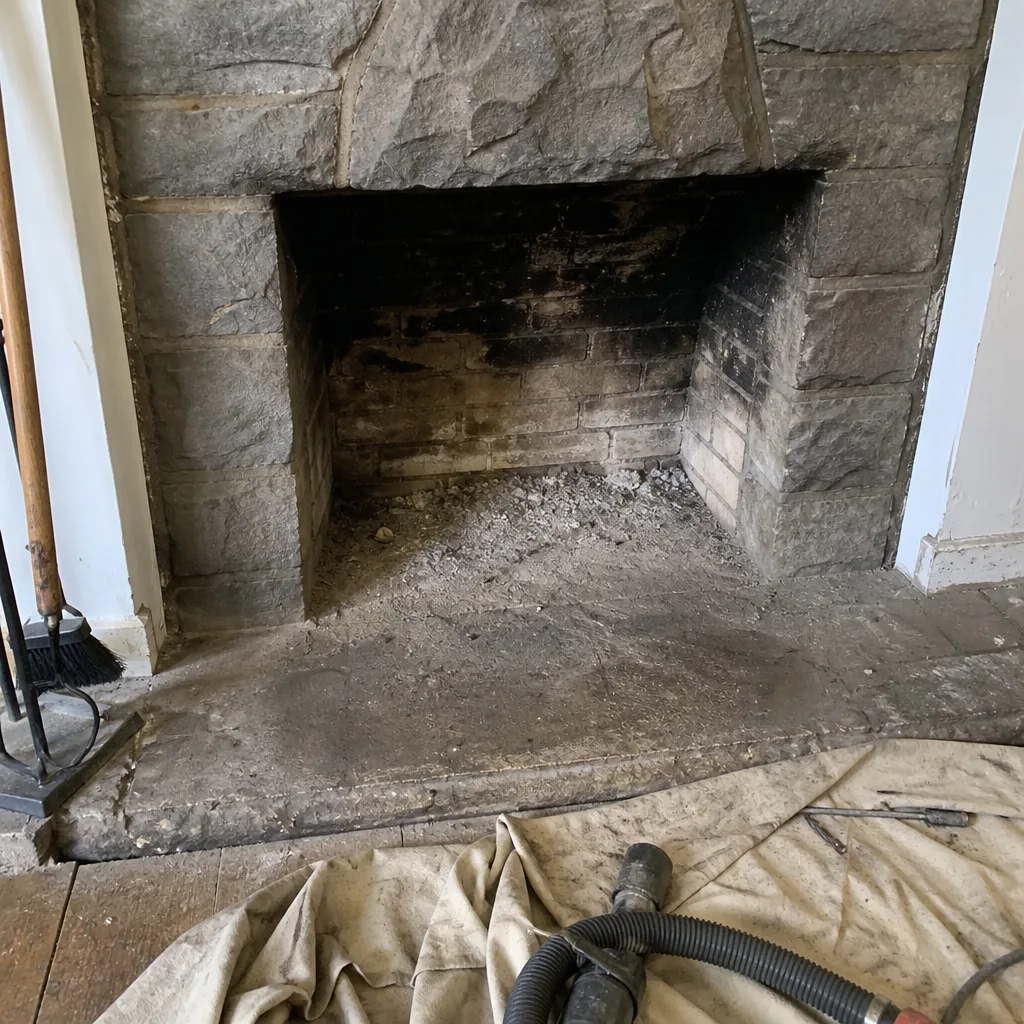
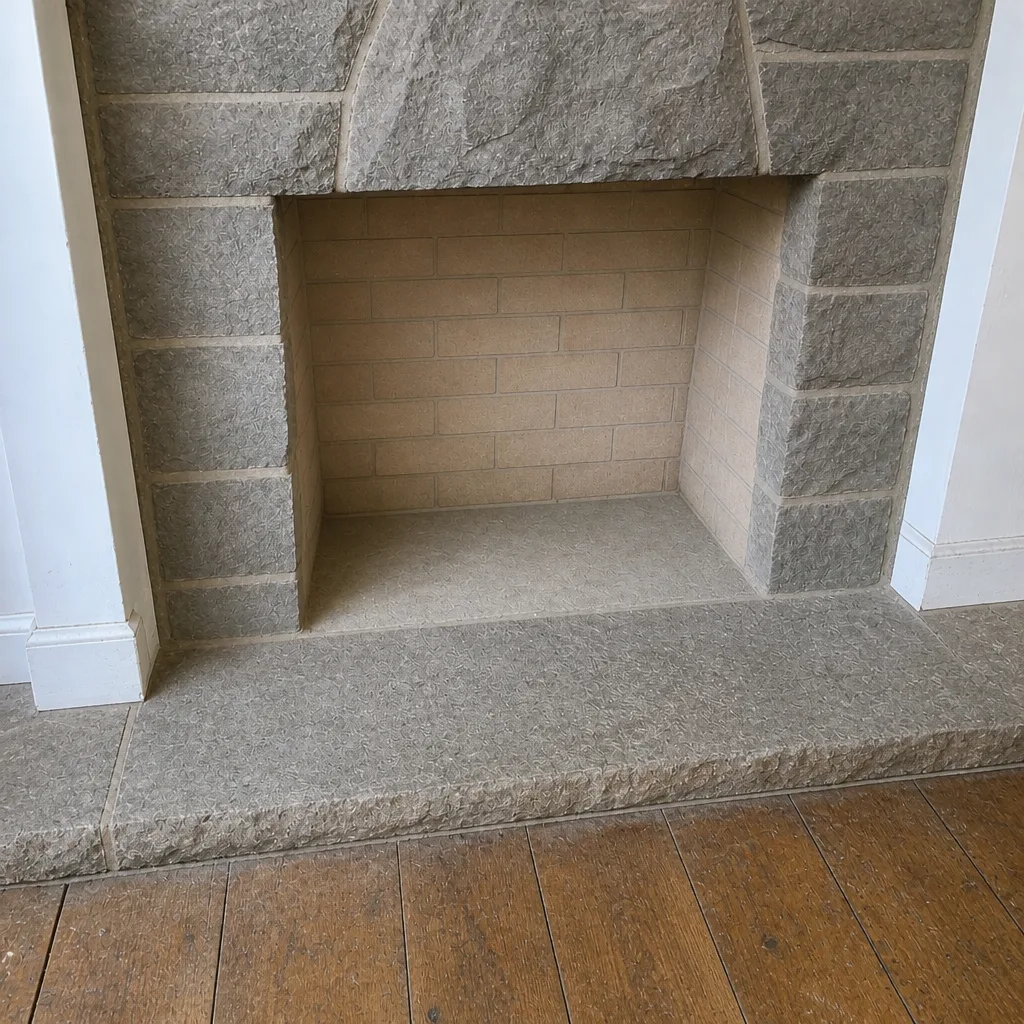
See the difference
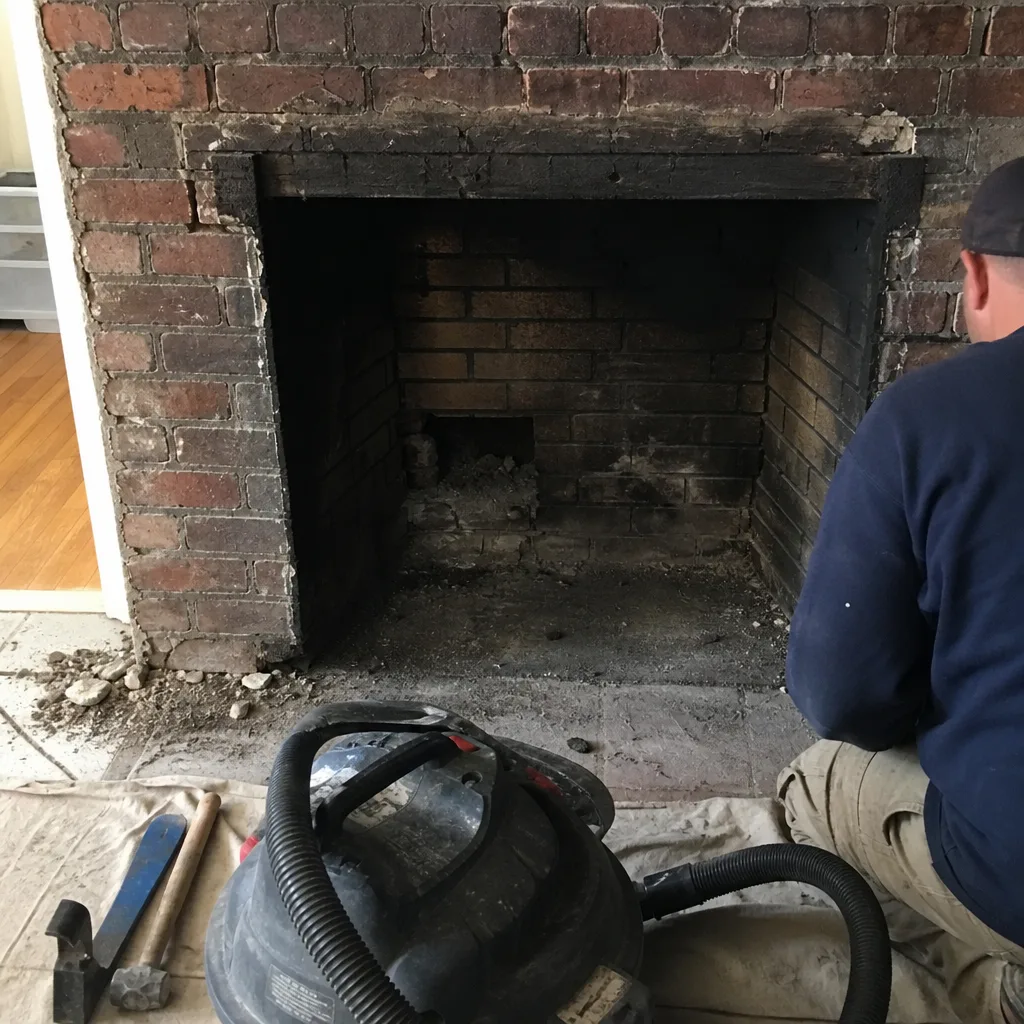 Before
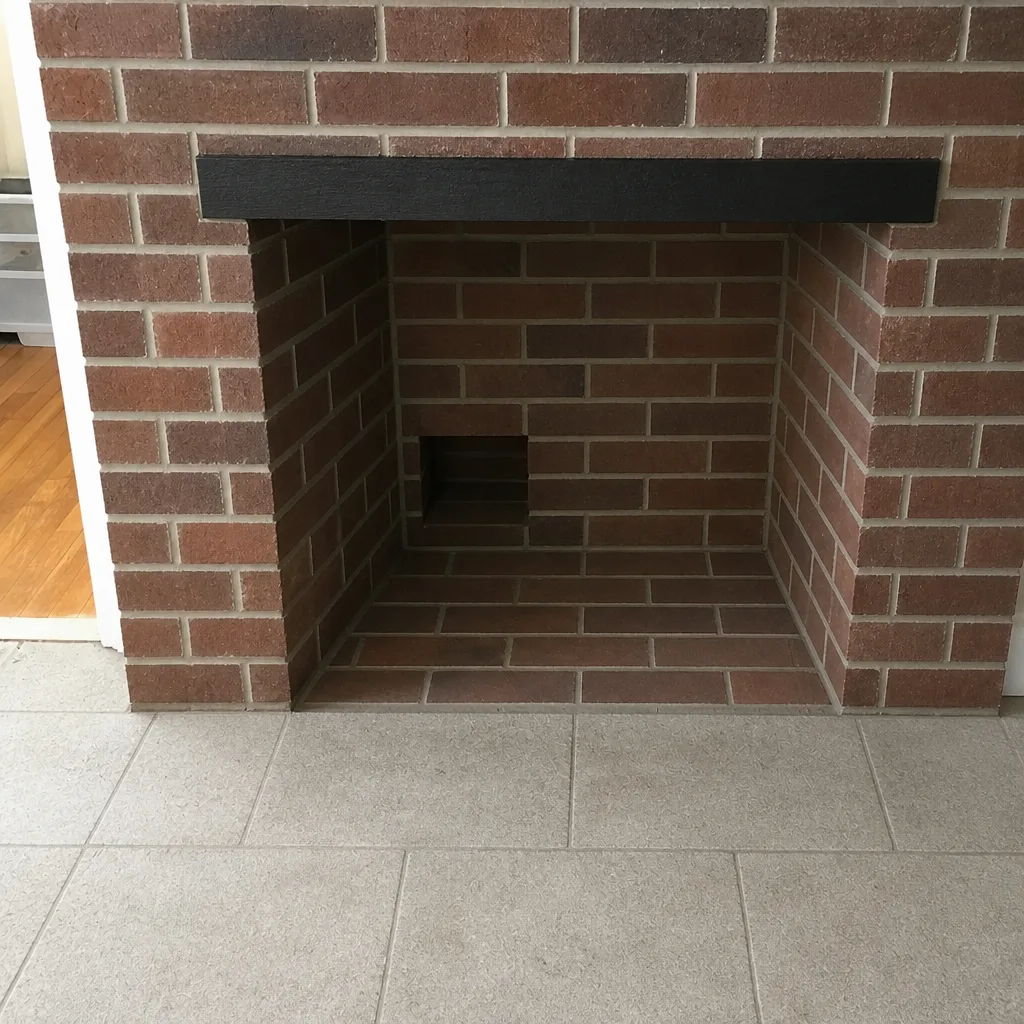 After
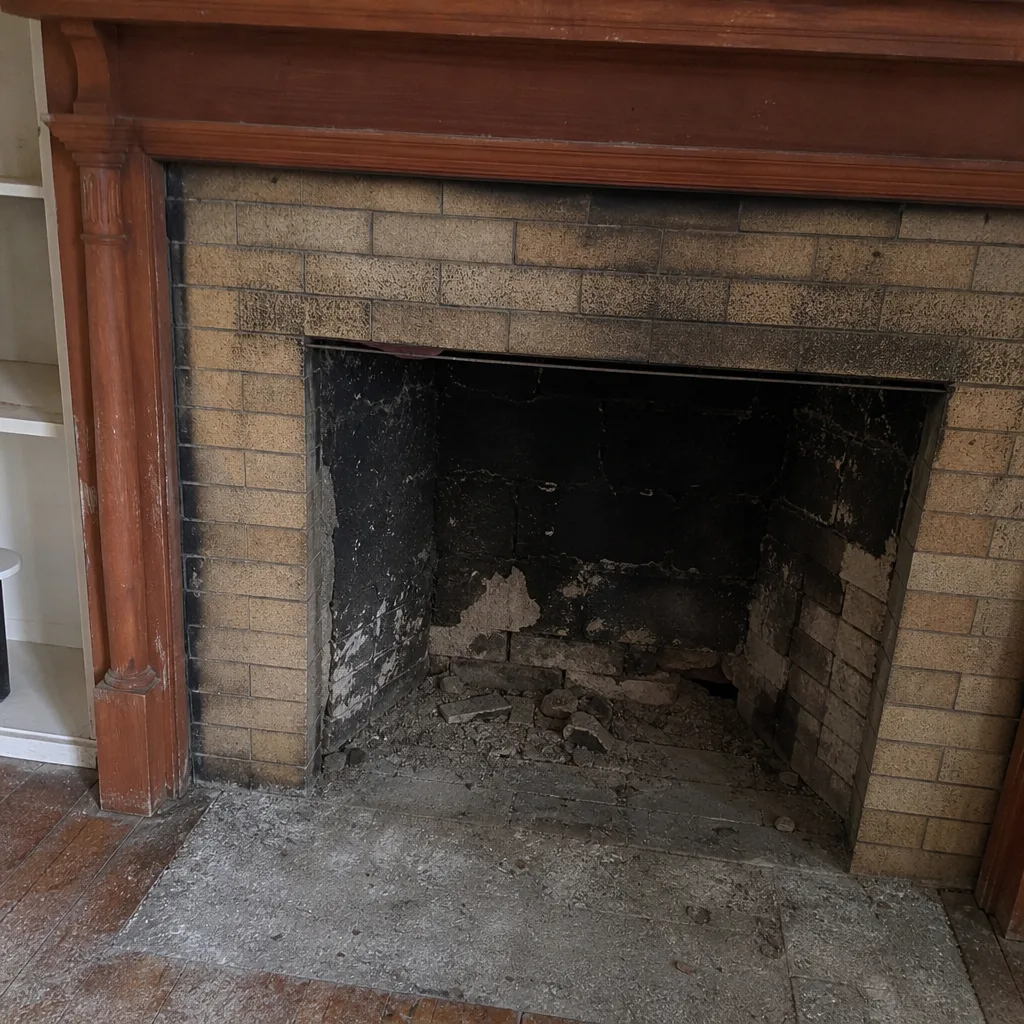 Before
 After
 Before
 After
When to Call a Professional
Call a professional when a cleaning turns up a repair question, when you’re buying or selling a South Buffalo home and need a Level 2 inspection, when you smell creosote or notice smoke backing into the room, when a chimney fire has occurred (however small), or when a contractor has proposed liner, crown, or flashing work and you want a second opinion before authorizing it. Also call if you’re unsure whether past work was permitted – a documented inspection settles it. We answer 24/7. Fast dispatch from 7am to 7pm, Sunday through Friday. Chimney Sweep South Buffalo offers free estimates in South Buffalo – call (855) 337-1696. Estimates are free, and the written estimate sets the final price.
Frequently Asked Questions
No. A routine chimney cleaning in South Buffalo typically requires no permit because sweeping doesn’t alter the chimney’s structure. Permits come in when a contractor touches the liner, crown, or flashing – repair and replacement work falls under New York State Building Code and City of Buffalo rules. If your contractor is proposing anything beyond cleaning and inspection, ask about the permit before you authorize the work. Call (855) 337-1696 for an exact quote – estimates are free.
Usually yes. A liner replacement is a structural alteration to the flue, which typically requires a permit under New York State Building Code, and the City of Buffalo enforces it through its Department of Permit and Inspection Services. The permit should be pulled by the licensed and insured contractor performing the work, and the job isn’t complete until the final inspection closes it out. Ask for the permit number before work begins.
NFPA 211 is the National Fire Protection Association standard for chimneys, fireplaces, vents, and solid fuel-burning appliances. It’s the technical baseline New York State code defers to for chimney work, and it defines the three inspection levels – Level 1 visual, Level 2 with video scanning, and Level 3 diagnostic. It matters because insurers look for NFPA 211 compliance when evaluating a chimney-related claim. A written report should state which level was performed, and if it doesn’t, ask.
You often can’t tell from looking. The reliable way is a Level 2 inspection with a camera scan, cross-referenced against the City of Buffalo permit record for the property. South Buffalo’s older housing stock – much of it built between 1900 and 1950 – hides unpermitted liner and crown work more often than homeowners expect. A documented inspection is what surfaces it, and it’s especially important on a recently purchased home.
It can. Insurers look for evidence the system was maintained and repaired to a recognized standard when evaluating a chimney-related claim, and an unpermitted structural alteration or an unclosed permit can complicate that evaluation. The safest approach is to insist on permitted work, keep the closed permit with your home records, and hold onto the photo documentation from the inspection and installation. Those records are what support a claim rather than undermine one.
A cleaning removes creosote, soot, and blockages – it’s maintenance. A Level 2 inspection includes video scanning of the flue interior plus accessible-area checks and produces a written photo report. Level 2 is what you want on a recent purchase, after any chimney fire, after an appliance change, or when a repair has been proposed. Cleaning doesn’t replace inspection; they’re separate steps, and both have their place on a South Buffalo chimney.
The Bottom Line
Routine chimney cleaning in South Buffalo generally needs no permit. Repair, relining, crown replacement, and flashing work generally does – and New York State Building Code plus City of Buffalo enforcement make that distinction a real one, not a technicality. Ask the permit question before you authorize work. Ask which NFPA 211 inspection level produced the recommendation. Ask for the photo report. Keep the closed permit. South Buffalo’s older housing stock makes every one of those steps worth doing, because the difference between documented and undocumented work shows up at claim time and at sale. We sweep, inspect, repair, and cap to those standards on every South Buffalo job, with materials from DuraFlex, HeatShield, Gelco, Olympia Chimney, Famco, and Copperfield. Call (855) 337-1696 for a free estimate. We answer 24/7. Fast dispatch from 7am to 7pm, Sunday through Friday. When you want a full-system chimney specialist for South Buffalo, start with Chimney Sweep South Buffalo.
Written by the team at Chimney Sweep South Buffalo.