
Last updated November 25, 2026
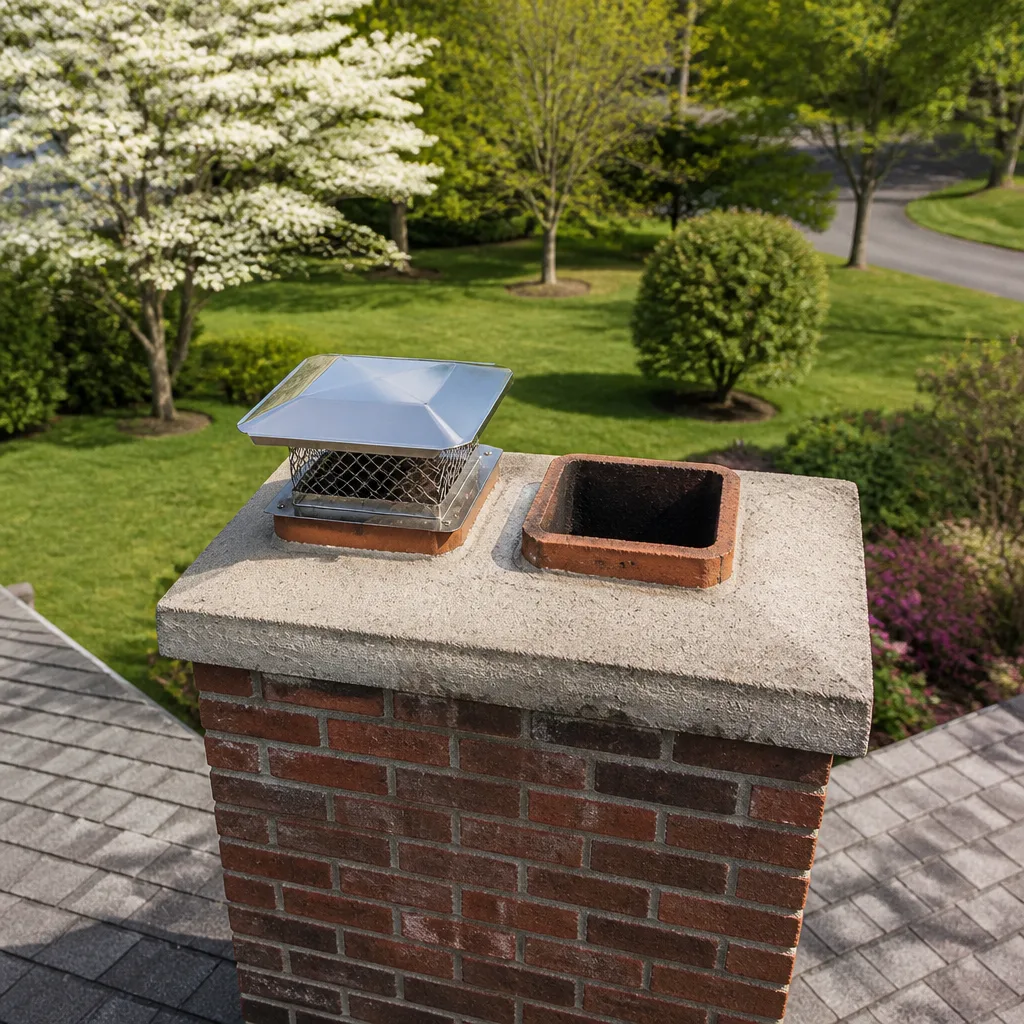 Sweep & inspection
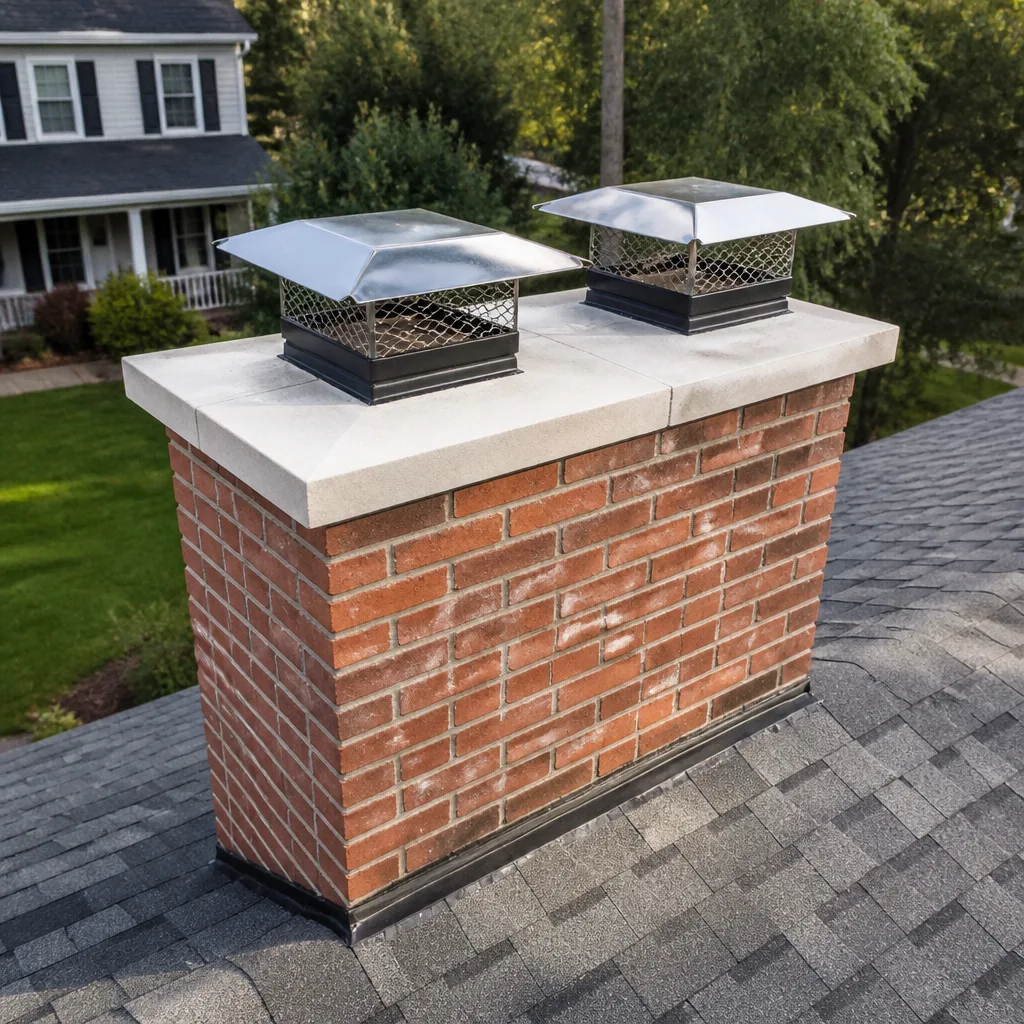 Caps & crowns
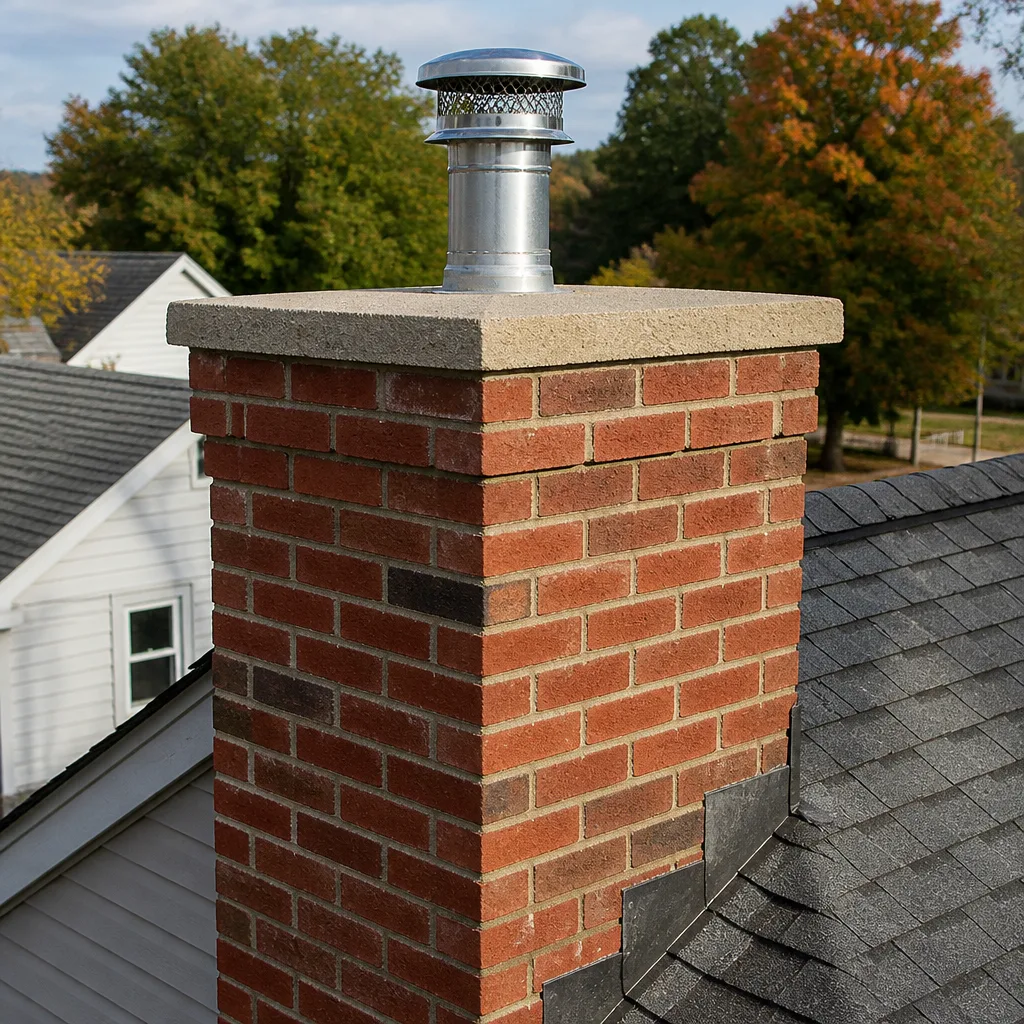 Flue relining
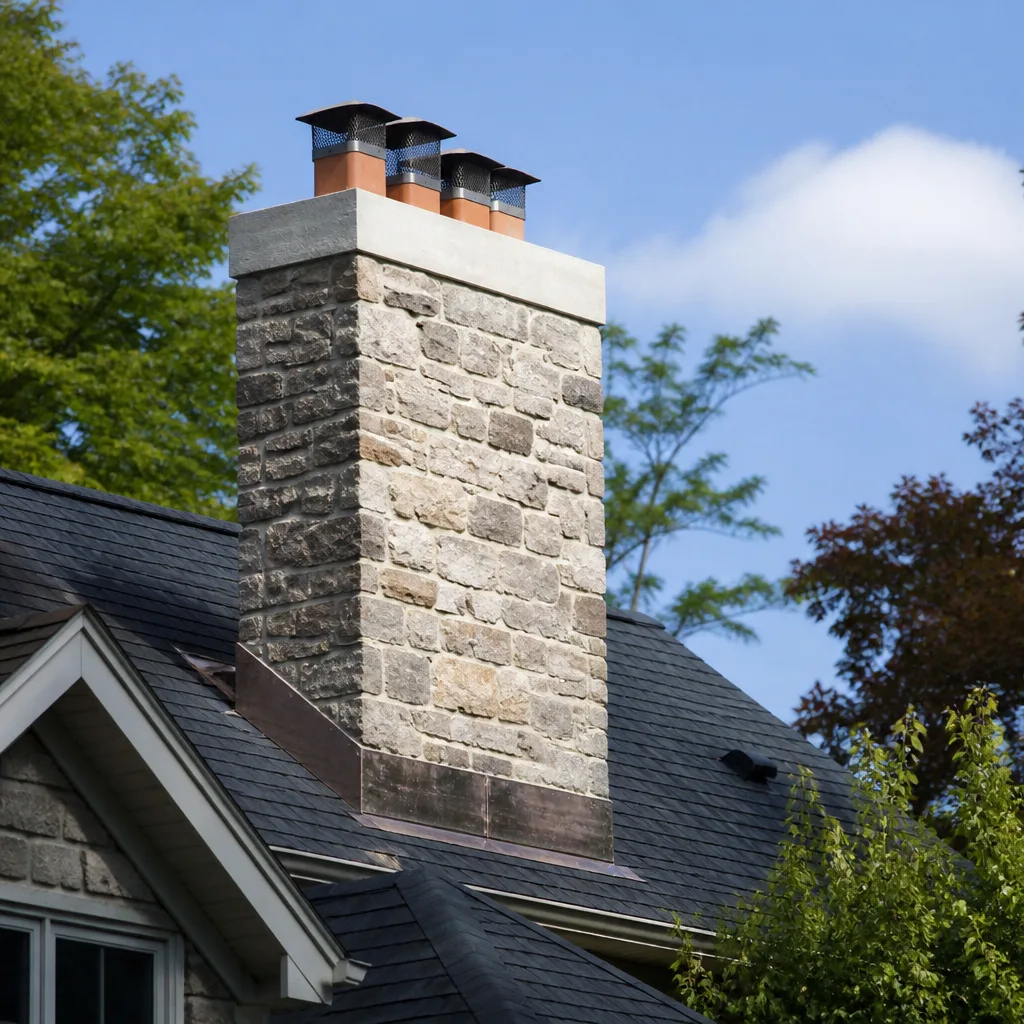 Masonry repair
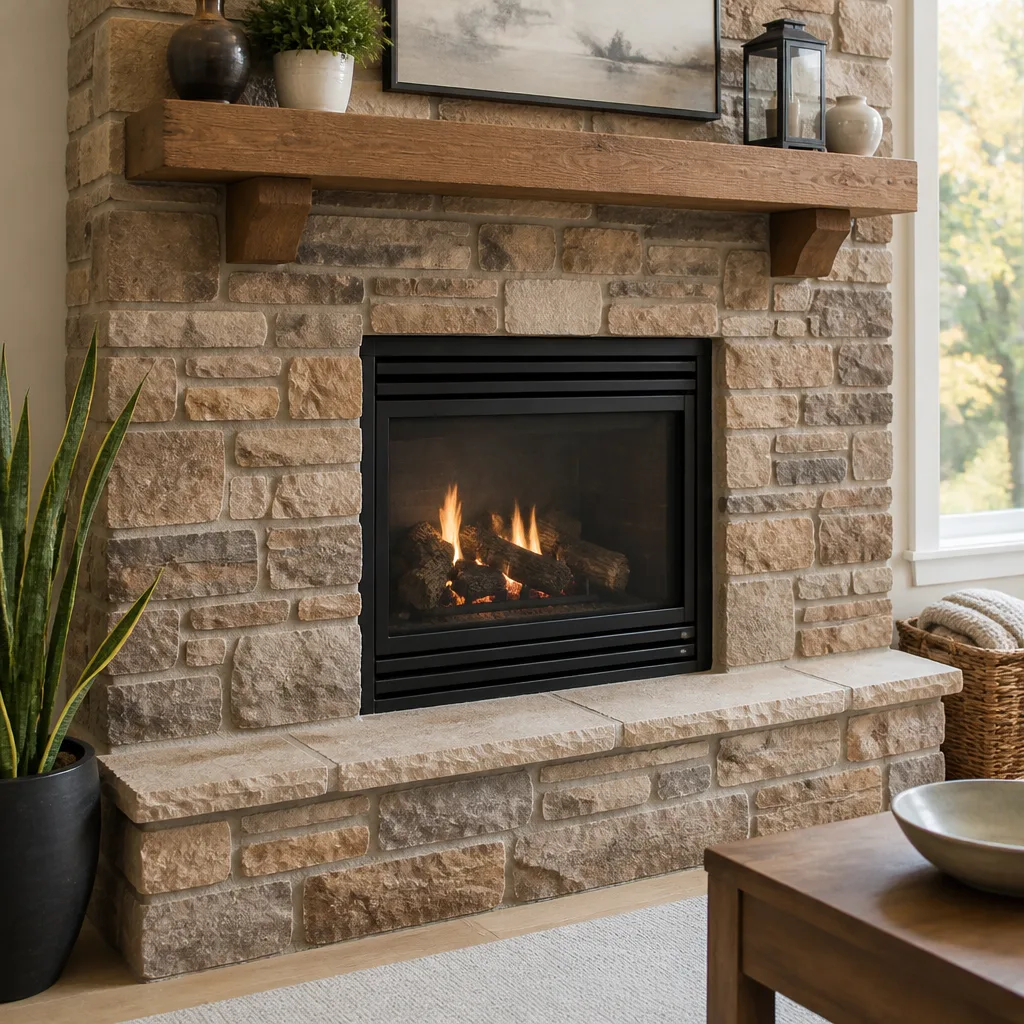 Gas fireplace service
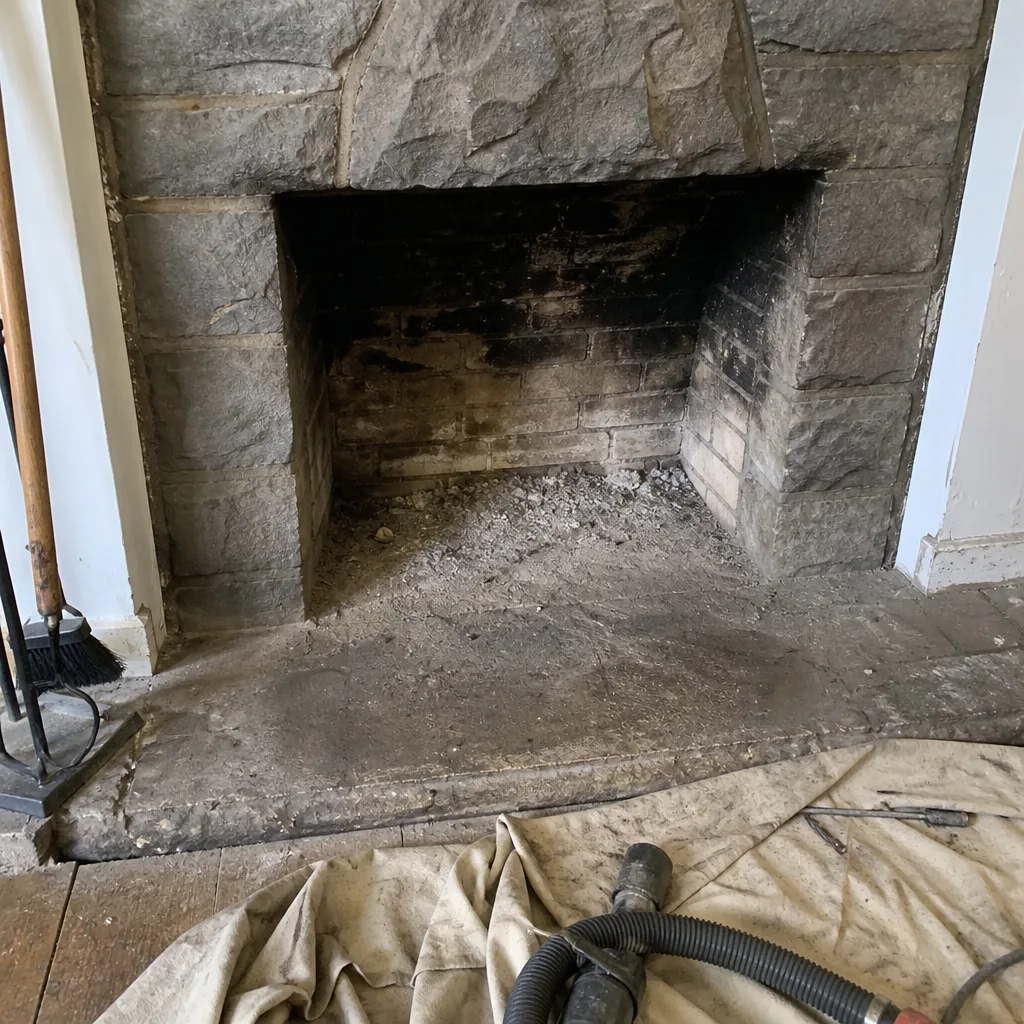
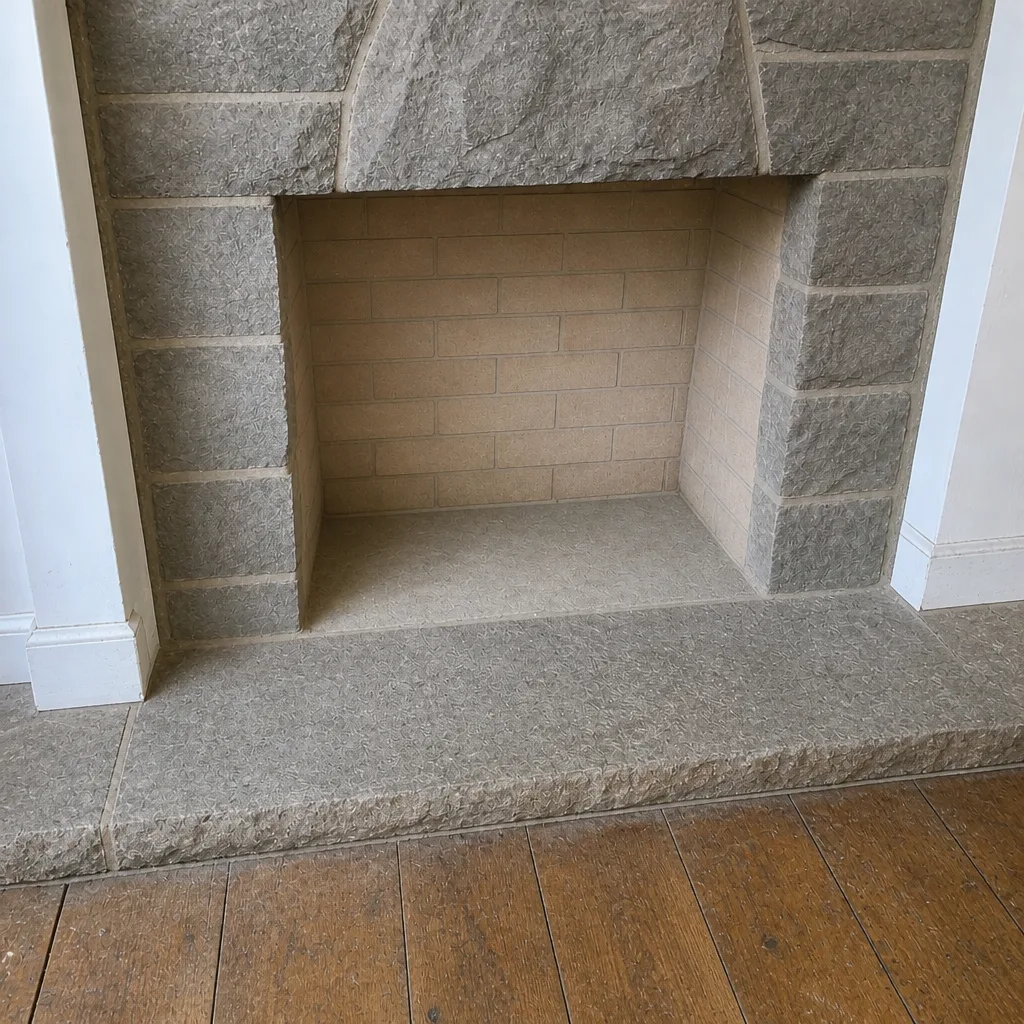
Level 1 sweep and inspection to the NFPA 211 annual standard - flue, crown, cap, and flashing checked and photographed
Chimney sweep logs do not sweep chimneys. They loosen some creosote - which then falls where a brush and vacuum still have to collect it.
The Complete Guide to Chimney Cleaning in South Buffalo
Most South Buffalo homeowners who had a chimney fire never knew their flue had a problem, because their last cleaning was a brush pass with no camera and no written report. A brush removes creosote. It tells you nothing about whether the mortar between your clay tiles has crumbled, whether the smoke chamber is coated in glazed deposits, or whether last winter’s freeze-thaw cycles opened a crack that lets carbon monoxide into the house. Here’s what a real chimney cleaning in South Buffalo involves, how the inspection levels work, and what a finished job report should contain.
Quick Answer
A chimney cleaning in South Buffalo is a full-system service, not just a sweep: we brush the flue, then inspect the firebox, smoke shelf, damper, liner and crown, and give you a written report with photos. Most wood-burning chimneys need it once a year, and in South Buffalo’s climate the annual visit is also your best chance to catch freeze-thaw damage to mortar and tile before it turns into a liner replacement.
Styles & brands we work with
- Sweep & inspection
- Caps & crowns
- Flue relining
- Masonry repair
- Gas fireplace service
Table of Contents
- Why South Buffalo Chimneys Age Faster Than You’d Think
- Level 1, Level 2 and Level 3 Inspections: What Each One Covers
- What a Full-Service Cleaning Actually Touches
- Why Pre-1980 Clay Tile Liners Need a Camera, Not Just a Brush
- What a Completed Job Report Should Include
- Fireplace Repair: When the Firebox Is the Problem
- Why We Don’t Recommend DIY Sweeping
- What Affects the Cost of a Chimney Cleaning in South Buffalo
Why South Buffalo Chimneys Age Faster Than You’d Think
Lake Erie weather is the single biggest factor in how a South Buffalo chimney wears out. The lake moderates temperature, which means the region swings above and below freezing far more often through a winter than towns further inland. Every one of those swings does the same thing to masonry: water soaks into mortar and brick during a thaw, then freezes and expands overnight. Repeat that cycle a few dozen times a season and you get spalling, which is brick faces flaking off, and crumbling mortar joints between flues.
That wet-dry cycling has a second effect inside the flue. A chimney that stays cold and damp between fires doesn’t draft as cleanly, and the smoke that lingers deposits creosote in layers that harden. South Buffalo homeowners who burn wood as a real heat source, not just for atmosphere, tend to see two patterns:
- Glazed creosote near the top of the flue where the smoke cools fastest. This is the hard, shiny, tar-like stage that a brush alone won’t remove and that burns hot when it ignites.
- Crumbling mortar at the smoke chamber and crown, where water gets in from above and works its way down.
Older housing stock across South Buffalo compounds it. The neighborhood’s homes were built with clay tile liners, and a clay tile that has cracked does not announce itself. You can’t see it from the firebox with a flashlight, and you can’t feel it with a brush. That’s the reason the annual visit matters: it’s the one appointment on your calendar that looks at the whole flue, not just the part you can reach.
If your chimney is overdue, a chimney sweep is where to start, and it’s the visit that tells you whether anything else needs attention before the cold settles in.
Level 1, Level 2 and Level 3 Inspections: What Each One Covers
Chimney inspections aren’t one thing. The National Fire Protection Association’s standard 211 lays out three levels, and knowing which one you need prevents both overspending and missed problems. In our experience, a routine annual cleaning comes with a Level 1, while a sale, a new appliance or a known problem calls for a Level 2.
Level 1 Inspection
This is the standard visit that comes with an annual cleaning. It covers the readily accessible parts of the system: the firebox, smoke shelf, damper, the visible portion of the flue, and the crown and cap from the roof. It’s appropriate when the chimney is in continuous service, nothing has changed, and there’s no known problem. Most South Buffalo homeowners who burn regularly are on this cycle.
Level 2 Inspection
A Level 2 adds a camera run through the flue and an examination of accessible areas like the attic and crawl space. It applies when something has changed:
- You just bought the house and have no service history for the chimney.
- You’re switching fuels or installing a new insert, stove or appliance.
- A chimney fire has occurred, even a small one.
- You’ve noticed a drafting problem, a smell, or water staining inside the chimney.
- You’ve made an energy-efficiency change that affects how the chimney vents.
For a new South Buffalo homeowner, a Level 2 before the first fire of the season is the honest recommendation. It’s the only way to know what the previous owner’s habits left behind.
Level 3 Inspection
A Level 3 is a diagnostic inspection that involves removing parts of the chimney, such as a section of wall or the crown, to get at a concealed problem the camera flagged. It’s rare, and it only happens when there’s a specific reason to open things up. We treat it as the last step, not the first, and only after a Level 2 has shown something the camera can’t fully explain.
What a Full-Service Cleaning Actually Touches
A chimney cleaning that only touches the flue is a partial job. The smoke travels through the whole system, and every part of it collects something. When we sweep, here’s what a complete service covers:
- The firebox and fireback. Ash, soot and cracked firebrick are checked here first. A cracked firebox is a pathway for heat into the surrounding structure.
- The damper. We check that it opens and closes fully. A damper that won’t seal lets heated room air escape all winter and lets cold air down when you’re not burning.
- The smoke shelf and smoke chamber. This shelf traps soot above the damper. It’s also where creosote often builds into a hard deposit that a brush pass alone can’t reach. Smoothing a rough smoke chamber is a separate step when it’s needed.
- The flue liner. Brushed top to bottom. If it’s clay tile, a camera run happens here to check joints and cracks.
- The crown and cap. The crown is the concrete top of the chimney that sheds water; the cap covers the opening. Both are inspected for cracks and gaps, because a cracked crown is the most common way water gets into a masonry chimney.
That’s the difference between a job that cleans what you can see and one that checks the whole chimney. It’s also why a full cleaning gives you a real picture of the chimney’s health, not just a clean firebox. If the visit turns up cracks in tile or mortar that need real remediation, that’s covered under chimney repair.
Why Pre-1980 Clay Tile Liners Need a Camera, Not Just a Brush
A brush tells you the flue is clean. It tells you nothing about whether the liner is intact. In the older homes across South Buffalo, most flues are lined with clay tile, joined with thin mortar joints. Those joints are the weak point, and they fail from the inside out over decades of heating and cooling. A cracked or missing mortar joint between tiles opens a path for smoke and carbon monoxide into the walls of the house.
Here’s what a camera run shows that a brush can’t:
- Mortar joints that have eroded or fallen out between tile sections.
- Hairline cracks in the tiles themselves that widen with freeze-thaw cycling.
- Offsets where tiles have shifted, which trap creosote and restrict draft.
- Chunks of broken tile sitting in the flue, which can block airflow.
When a camera shows the liner is damaged, the choice is usually relining or restoration. For older, irregular flues, flexible liner systems such as DuraFlex are a good fit because they conform to the shape of the old flue without requiring a full rebuild. For liners that are still structurally sound but have rough, pitted surfaces, HeatShield resurfacing applies a ceramic repair layer in place, sealing the cracks and smoothing the flue from the inside. In our experience, most South Buffalo homeowners don’t realize a camera inspection is what separates a good cleaning from a lucky one until they see the footage. That’s also why we pull professional-grade materials from suppliers like Olympia Chimney when a reline is the answer.
What a Completed Job Report Should Include
A cleaning isn’t finished when the brush comes back down. It’s finished when you have a written report in your hand that tells you what was done, what was found and what needs attention. Verbal-only assessments are a red flag, because you have no record of the chimney’s condition if you sell the house or need to make a warranty claim later. A complete job report should include:
- The inspection level performed and what it covered.
- Photos of the firebox, smoke chamber, flue and crown, including any damage the camera found. Ask to see the footage.
- The type and amount of creosote found in each section of the flue.
- Any cracks or gaps in the liner, crown or cap, with a photo of each.
- A numbered list of recommended next steps, with which ones are urgent and which can wait.
- The materials and brands used, if any repair was done.
If a sweep won’t put any of that in writing, ask why. A clean report on a healthy chimney is a good outcome, and it should be documented the same way a repair is. If you’re holding a report from a previous visit that says “liner replacement needed” with no photos, that’s worth getting a second look before you commit.
Fireplace Repair: When the Firebox Is the Problem
Chimney maintenance and fireplace repair overlap more than most homeowners expect. The firebox takes the direct heat, so it wears first, and the wear shows up as problems the chimney can’t mask. Common firebox and fireplace issues we see in South Buffalo homes include:
- Cracked firebrick. Hairline cracks are common and usually cosmetic; deep cracks that run through the brick are a heat pathway and need repair.
- Eroded mortar joints between firebricks, which let heat reach the masonry behind them.
- A warped or rusted damper that no longer seals, which lets heat escape up the flue even when you’re not burning.
- A rough smoke chamber that collects creosote faster than it should.
- Gas insert issues like a blocked vent or a pilot that won’t stay lit, which need a professional look before the heating season.
If your firebox or damper is failing, that falls under fireplace repair, and it’s the kind of work we can do in the same visit as a cleaning. For the crown, the cap and the top of the chimney, the proper service is chimney cap & crown. The point is that you shouldn’t have to track down a second contractor for each part of the system.
Why We Don’t Recommend DIY Sweeping
A brush, a ladder and a set of rods look like a weekend project. In practice, chimney work is where homeowners get hurt, and it’s not always the part you’d expect. The real risks:
- Falls from the roof. Most chimney work happens at the top of the house, in winter conditions that make the roof slick.
- Soot and creosote exposure. Fine soot gets into the air and into your lungs; creosote is a known skin and respiratory irritant.
- Dislodged materials. A brush can knock loose debris down the flue; if the firebox isn’t properly sealed off, it ends up in the room.
- Missed damage. Even a careful homeowner won’t spot a cracked tile joint or a failing crown the way a camera and a trained eye will.
The sweep itself is the easy part. The diagnosis is the work, and that’s what we train for. Our technicians have up to 8 years of experience reading what comes down the flue and what a camera shows. When they recommend a repair, it’s because there’s evidence in the report you can look at, not because they said so.
What Affects the Cost of a Chimney Cleaning in South Buffalo
Chimney cleaning is priced per job, not per foot of flue, so the number depends on what we find. The written estimate you get before any work starts is the final price; there are no surprise additions after the fact. What moves the estimate up or down:
- The condition of the flue. A lightly sooted flue with a Level 1 inspection is at the low end; heavy or glazed creosote that needs extra work costs more.
- The inspection level. A Level 2 with a camera run covers more than a Level 1 and is priced accordingly.
- Any repairs found. A cracked crown, a failing damper or a damaged liner adds to the job, but it’s priced as a separate line item you approve first.
- Access and height. A steep roof or a chimney in a tight spot affects how much setup the job needs.
We don’t quote a flat number over the phone because that’s how homeowners end up paying for work they didn’t need, or skipping work they did. The estimate is free and the price is set by the written estimate after we’ve seen the chimney. If you’re wondering what your specific chimney will need, call (855) 337-1696 for a free estimate. We answer 24/7. Fast dispatch from 7am to 7pm, Sunday through Friday.
Common Mistakes to Avoid
- Treating a sweep as a cleaning and calling it done. A brush pass that skips the smoke shelf, damper and crown leaves most of the system unchecked. In South Buffalo, the crown is the part that most often needs attention first.
- Waiting until the chimney smokes to book a cleaning. A smoky fire is a late symptom; by the time you notice it, creosote may already be at the glazed stage that a brush won’t remove.
- Skipping the camera because the sweep said the flue “looked fine.” A clay tile liner in a pre-1980 South Buffalo home can be cracked and still look fine from the firebox. Ask for the camera footage.
- Accepting a verbal-only report. If there’s no written report and no photos, you have no record and no way to verify a repair recommendation.
- Doing a “quick reline” with retail-grade parts. A liner is a long-term component; professional-grade materials from suppliers like DuraFlex and Olympia Chimney are worth asking about, and a cheap workaround costs more later.
- Ignoring water intrusions at the crown or cap. A cracked crown or a missing cap lets water into the flue every time it rains or thaws, and that’s what accelerates the freeze-thaw damage that shortens a masonry chimney’s life.
- Burning unseasoned wood to save money. Wet wood produces far more creosote, which builds up faster and is harder to remove. Seasoned wood costs a little more and keeps the flue cleaner.
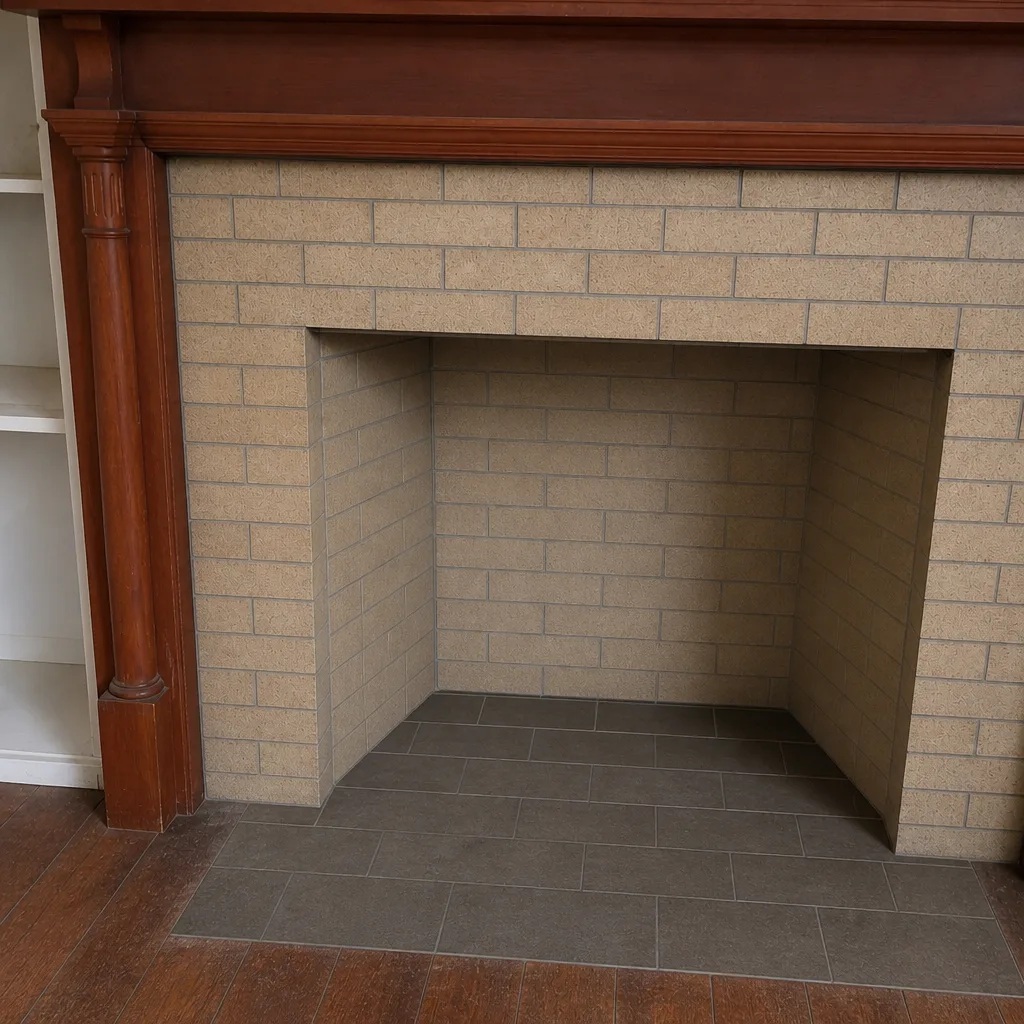
See the difference
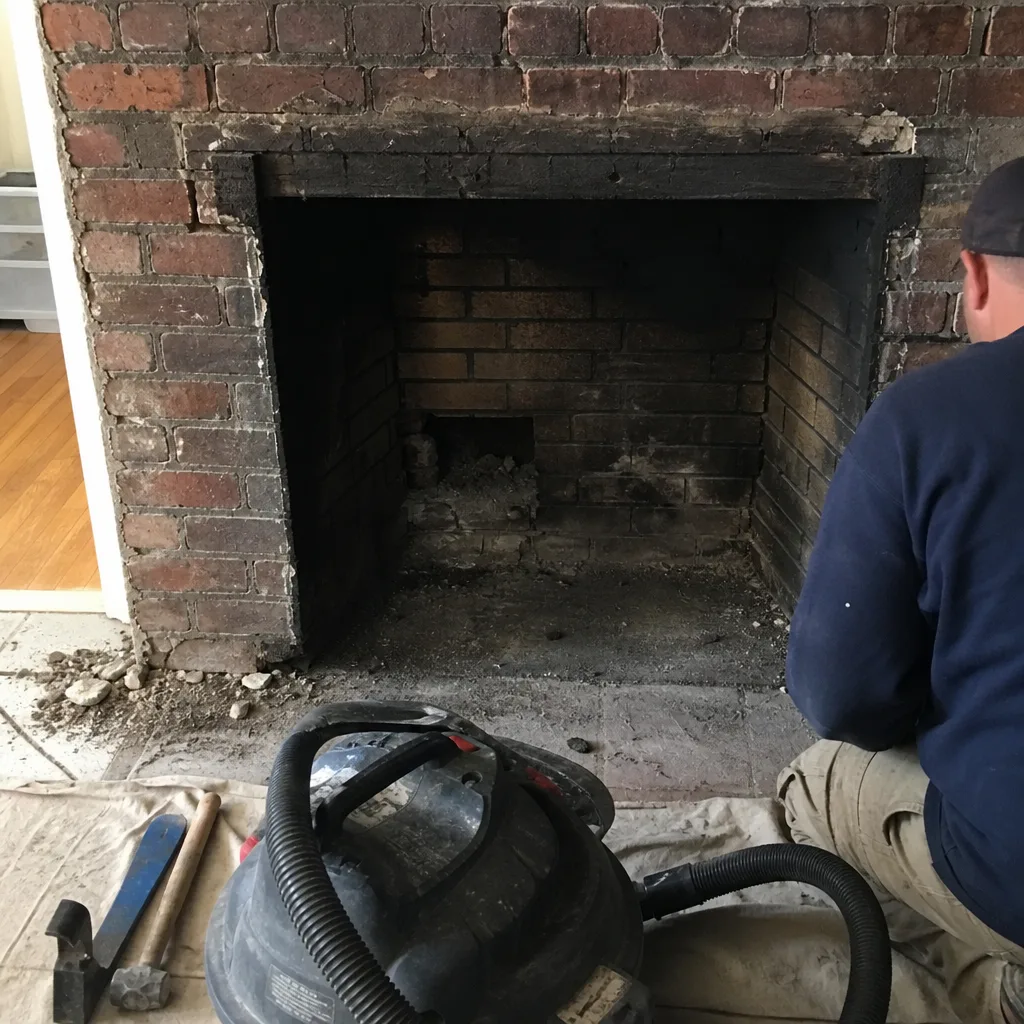 Before
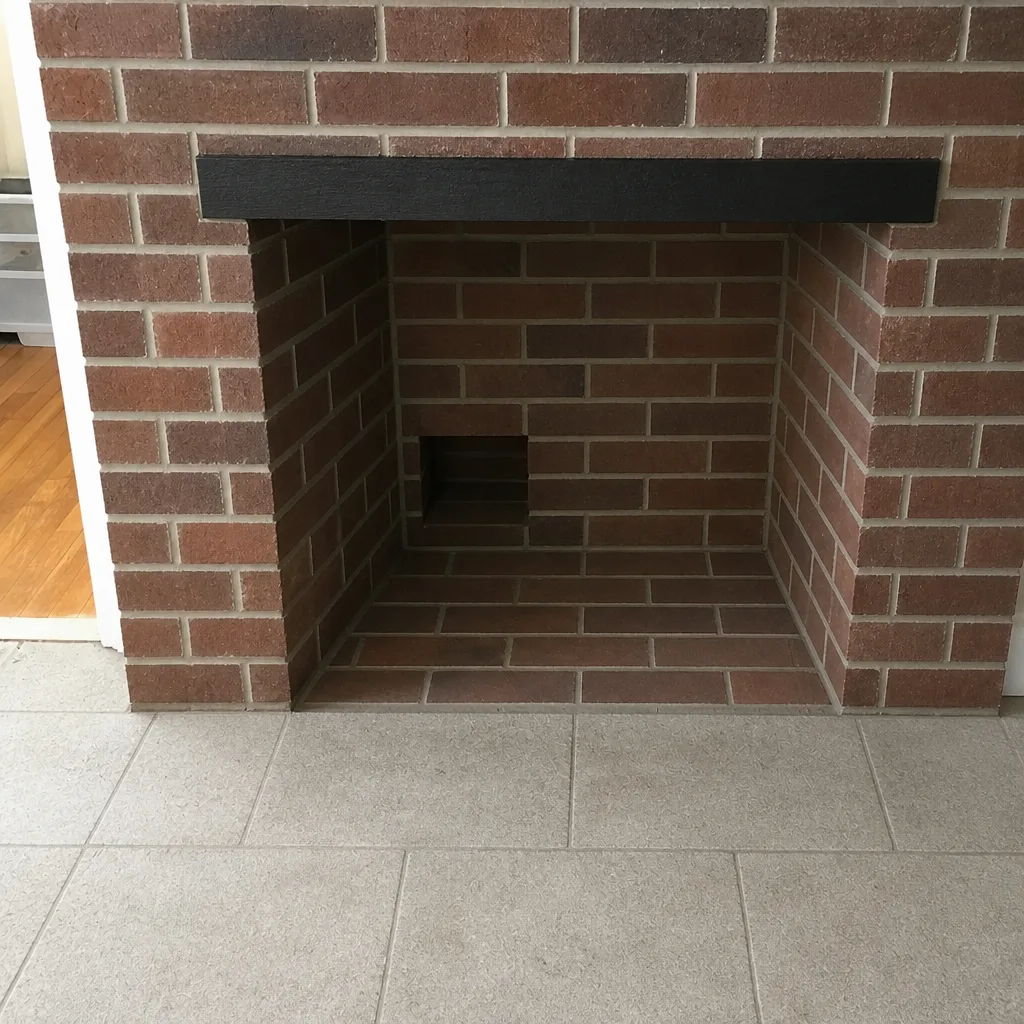 After
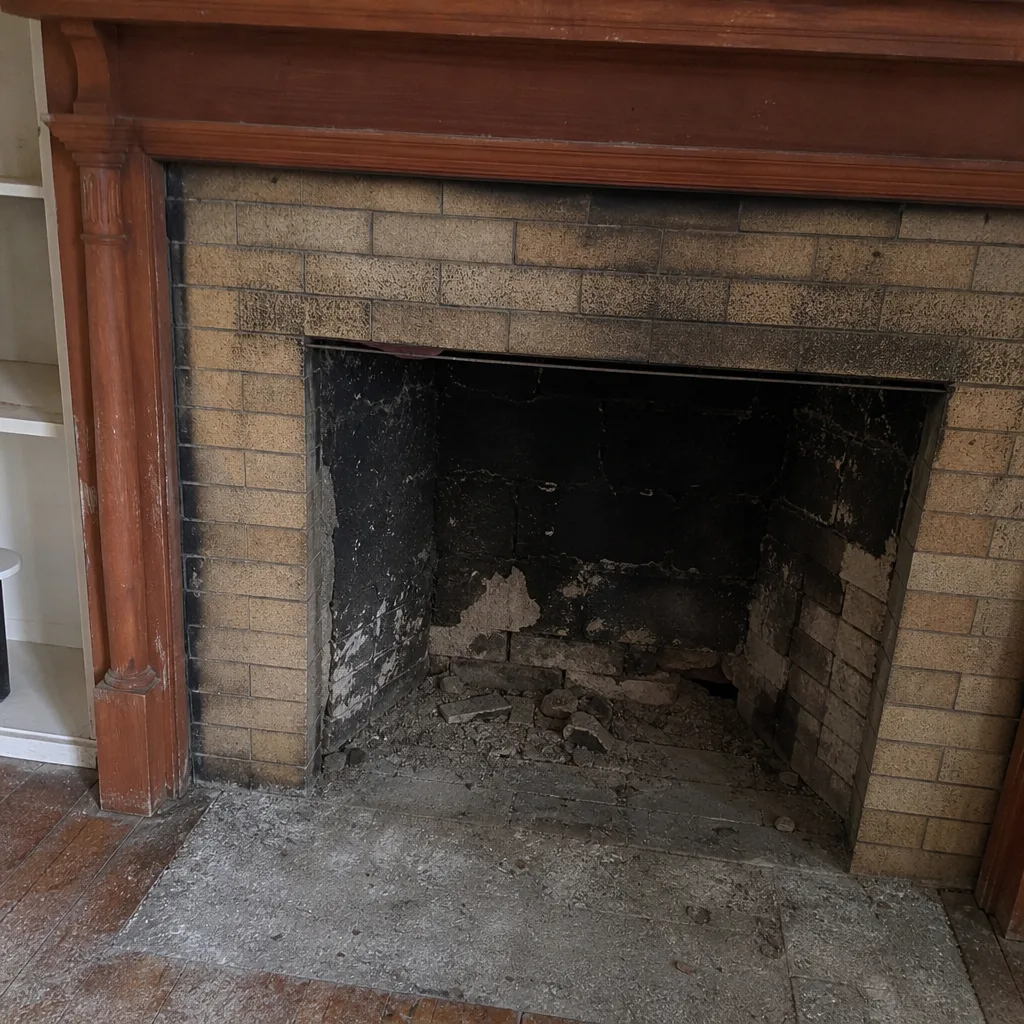 Before
 After
 Before
 After
When to Call a Professional
Some things are worth a phone call and some things are worth a call before the season, not after. Call us if you’re seeing any of these:
- You’ve had a chimney fire, even a small one; the flue needs a Level 2 inspection after any fire.
- You just bought a South Buffalo home and have no service history for the chimney.
- Smoke rolls back into the room when you light a fire, or you smell a strong creosote odor when the chimney is cold.
- You see water staining, rust or a white chalky bloom on the chimney exterior or around the firebox.
- You’re switching to wood heat or installing an insert or new gas appliance.
- It’s been more than a year since the last cleaning, and you burn regularly.
Chimney Sweep South Buffalo offers free estimates in South Buffalo: call (855) 337-1696. We answer 24/7, and fast dispatch is from 7am to 7pm, Sunday through Friday.
Frequently Asked Questions
Once a year for a wood-burning chimney that sees regular use, and that’s the standard most insurance carriers and chimney professionals recommend. If you burn often and see heavy creosote buildup, or if you’ve had a chimney fire, you may need a visit sooner. Call (855) 337-1696 for an exact quote and a schedule that fits your burning habits.
Yes, because even light use leaves creosote and a chimney should be inspected annually regardless of how often you burn. The inspection catches damage from water intrusion and freeze-thaw, which happens whether or not the fireplace was used. Call (855) 337-1696 to book an inspection.
Two risks build up: creosote layers harden inside the flue and become more flammable over time, and small cracks in the liner or crown widen with each freeze-thaw cycle. The first is a chimney-fire risk, the second is a carbon monoxide risk, and both are cheap to catch early and expensive to repair late. Call (855) 337-1696 for a free estimate and see what your flue looks like from the inside.
It’s the lake-effect temperature swings. Frequent freeze-thaw cycles keep the chimney colder between fires, so smoke cools faster and deposits creosote in glazed layers more easily. Older homes across South Buffalo also tend to have clay tile liners that trap deposits at failed joints, which is why the camera inspection is so important for pre-1980 houses.
We work with professional-grade materials from DuraFlex, HeatShield, Gelco, Olympia Chimney, Famco and Copperfield, and we choose the brand based on the job, not the other way around. DuraFlex flexible liners fit irregular flues well; HeatShield ceramic resurfacing restores a liner without a rebuild. Ask for the material used in your written estimate.
Often, yes. HeatShield resurfacing applies a ceramic layer inside the existing flue, sealing cracks and smoothing rough surfaces without removing the chimney. When the liner is beyond that, a DuraFlex flexible liner conforms to the shape of the existing flue. The right answer depends on what the camera shows, and the report will show you the evidence. Call (855) 337-1696 to talk it through.
The Bottom Line
A chimney cleaning in South Buffalo is an inspection with a sweep built in, not the other way around. The brush removes the creosote; the camera and the written report tell you whether the freeze-thaw winters have cracked your tile liner, eroded the mortar or opened the crown. Most of what goes wrong with a South Buffalo chimney is invisible until a camera points at it, and the annual visit is the cheapest way to catch it. Get the report in writing, ask for the photos, and treat any repair recommendation without evidence as a starting point for a second look. If you want to know what condition your chimney is actually in, call Chimney Sweep South Buffalo at (855) 337-1696. The estimate is free, and you’ll see what we saw.
Written by the team at Chimney Sweep South Buffalo.