
Last updated November 25, 2026
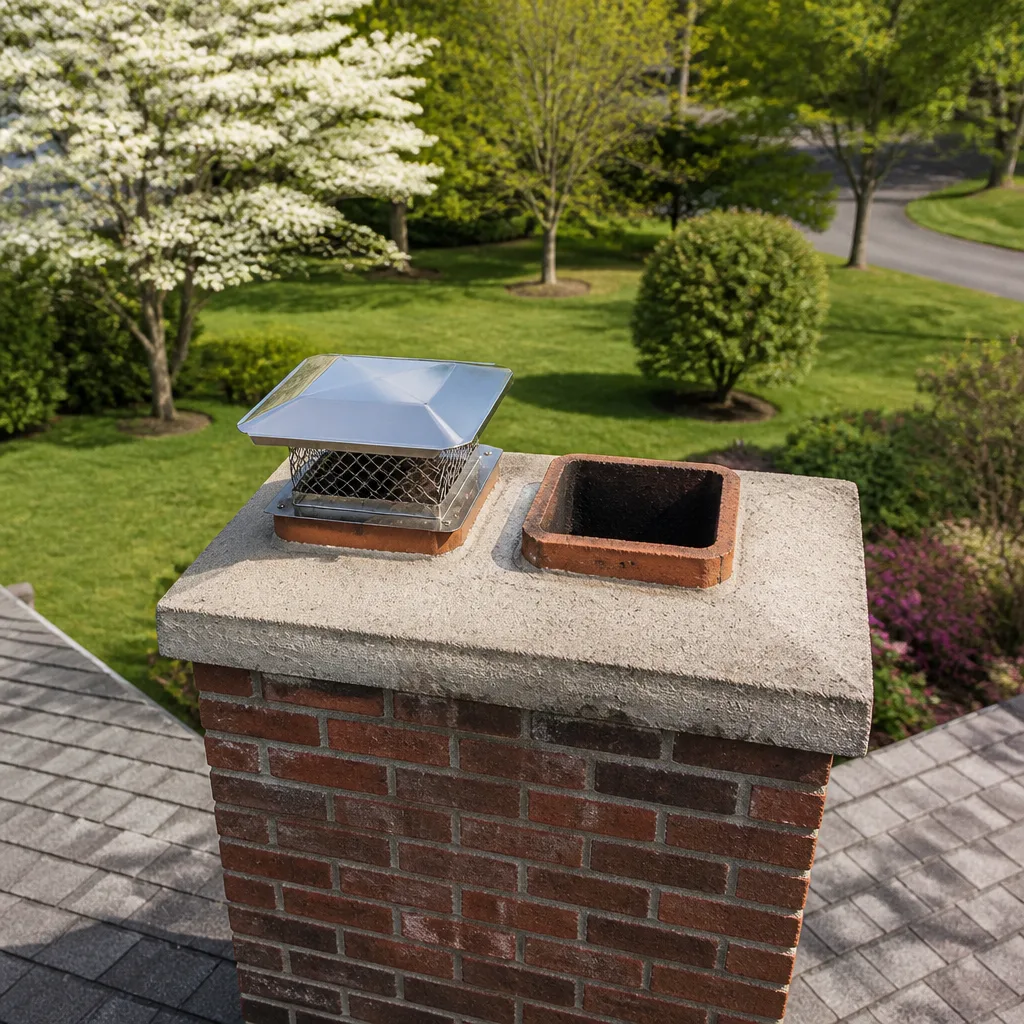 Sweep & inspection
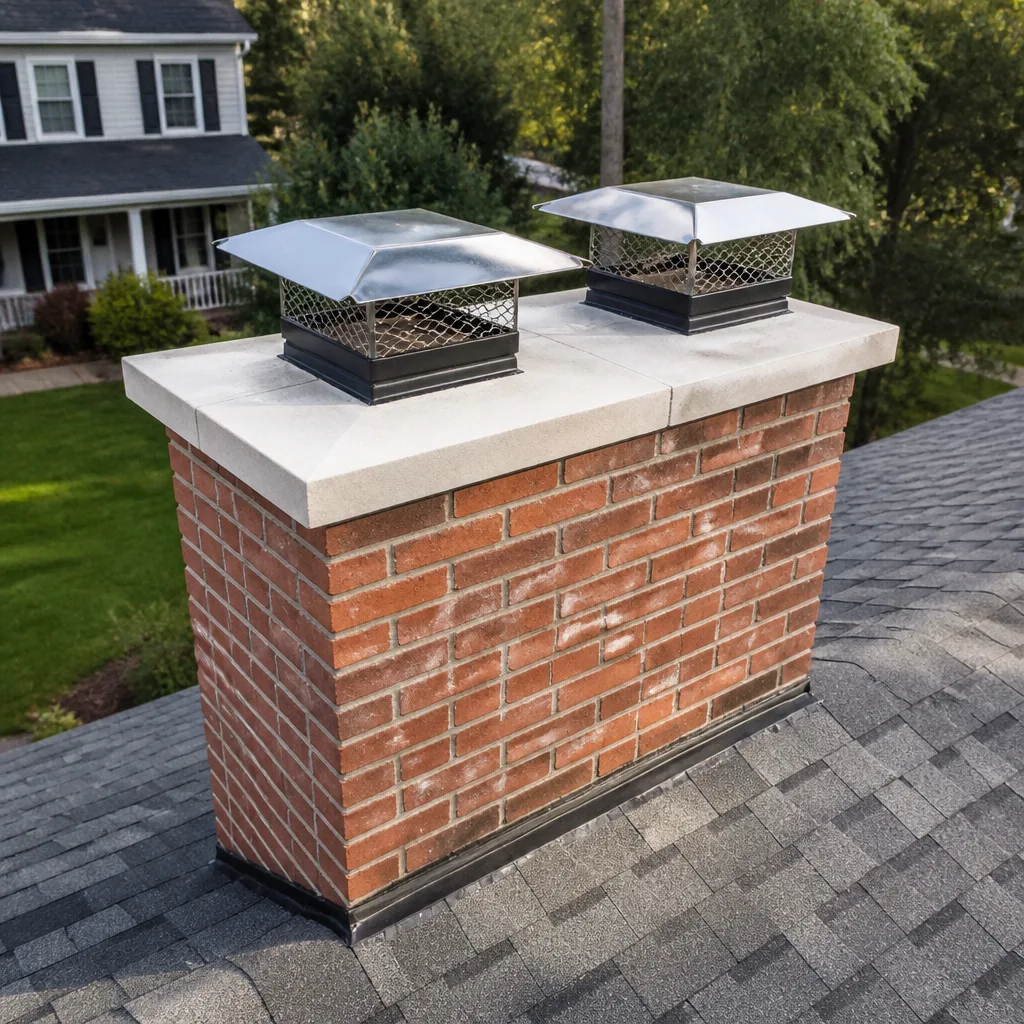 Caps & crowns
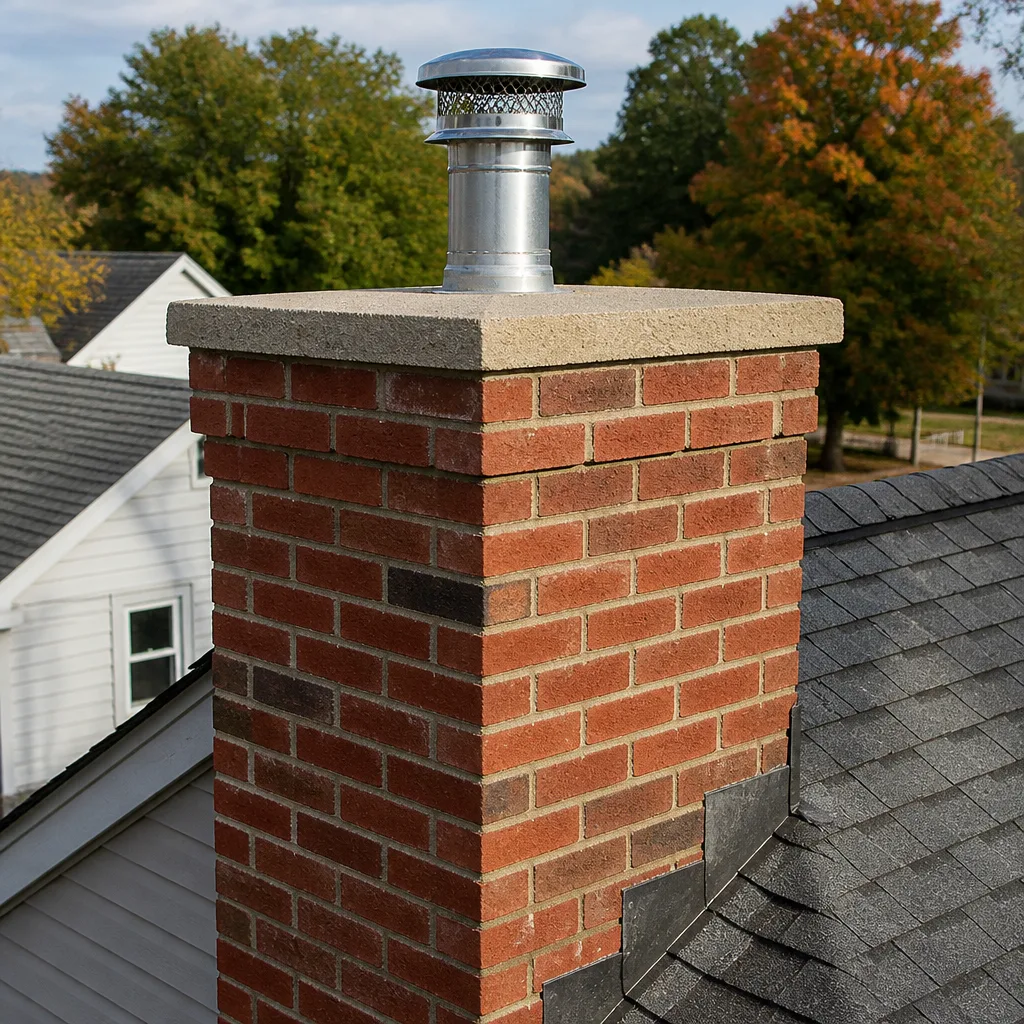 Flue relining
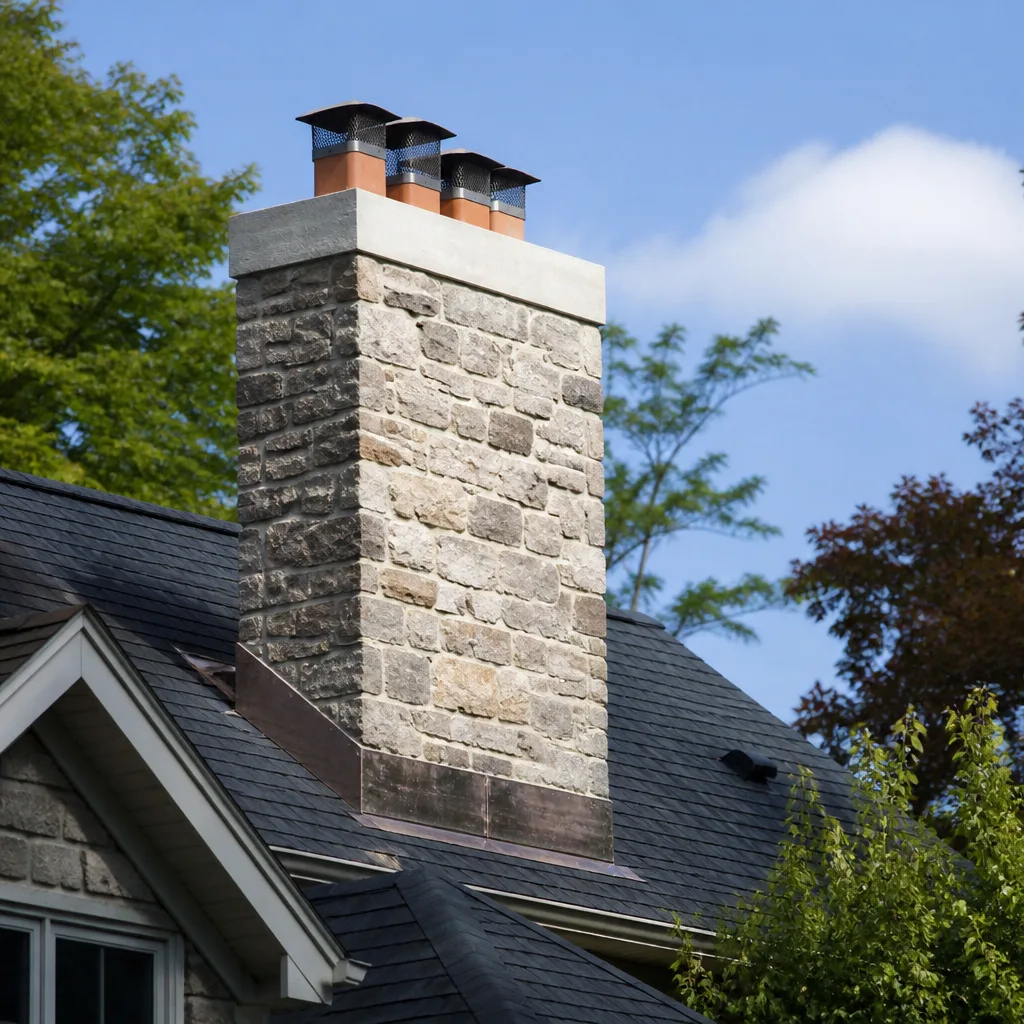 Masonry repair
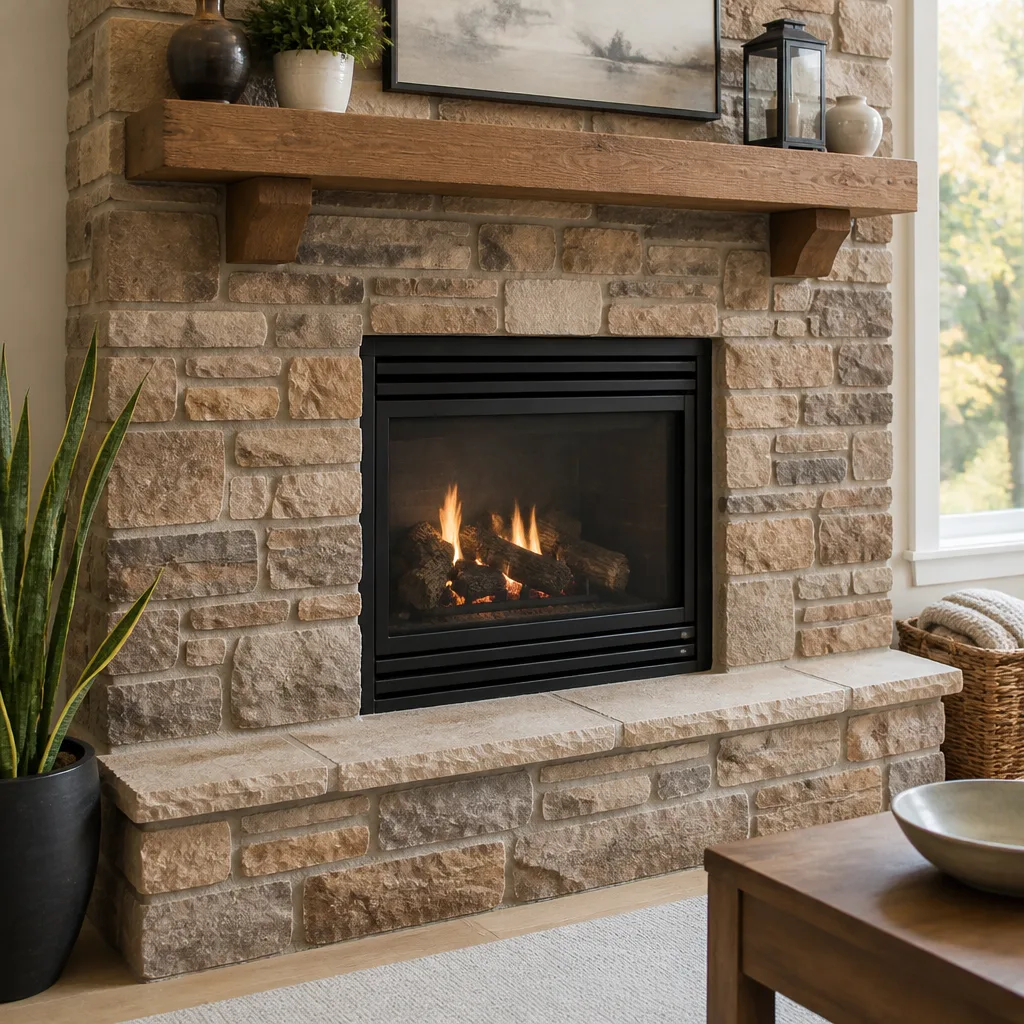 Gas fireplace service
Level 1 sweep and inspection to the NFPA 211 annual standard - flue, crown, cap, and flashing checked and photographed
Chimney sweep logs do not sweep chimneys. They loosen some creosote - which then falls where a brush and vacuum still have to collect it.
Chimney Cleaning Warning Signs: A South Buffalo Homeowner’s Reference Guide
Most chimney problems don’t announce themselves with flames. They show up as a faint smell in July, a white bloom on the brick, a rattle in the flue when the wind comes off the lake. Homeowners walk past these signs for a season or two because nothing about them feels urgent yet. That’s the misconception worth correcting up front: the quiet symptoms are the ones worth listening to, because they tell you which part of the system is failing before the damage spreads. This guide maps each warning sign to the cause behind it, so when you call a sweep you can describe the actual problem instead of saying something seems off. We’re writing it from South Buffalo, and the weather here shapes what these signs look like.
Quick Answer
The main chimney cleaning warning signs are a strong creosote or sooty smell, smoke rolling back into the room instead of up the flue, white staining on exterior brick, visible cracks in the mortar or flue tiles, and rattling or whistling noises in the chimney on windy days. Each one points to a specific component: excess creosote buildup, a blocked or undersized flue, moisture intrusion, structural movement, or a loose cap and damper. Any one of them is worth a professional inspection before your next fire.
Styles & brands we work with
- Sweep & inspection
- Caps & crowns
- Flue relining
- Masonry repair
- Gas fireplace service
Table of Contents
- What Each Warning Sign Actually Tells You
- Cosmetic Issues vs. Structural Failures
- South Buffalo-Specific Signs: Erie Moisture and Efflorescence
- Signs You Can Spot From Inside the House
- Noises, Rattles, and What They Mean
- What to Tell a Contractor When You Call
- How Often Should a South Buffalo Chimney Be Cleaned?
- What Actually Happens During a Cleaning and Inspection
What Each Warning Sign Actually Tells You
A chimney is a system, not a tube. Air moves through it, heat passes through it, moisture works on it from outside and inside at the same time. When one part of that system falls out of balance, the symptom shows up somewhere else, which is why a smell in the living room can trace back to a cracked crown on the roof. Here’s how the common signs map to causes.
- A sharp, acrid, or ashy smell even when the fireplace is cold. This usually means creosote buildup in the flue, or a downdraft pushing flue gases back into the house. Sometimes it’s a damper that no longer seals.
- Smoke spilling into the room when you light a fire. This points to a blockage (soot, a nest, a collapsed tile), an undersized flue for the firebox, or negative pressure in the house pulling air down the chimney.
- White or grayish staining on exterior brick. That’s efflorescence, mineral salts pushed to the surface by water moving through the masonry. It signals moisture getting in where it shouldn’t.
- Cracks in the firebox, damper, or visible flue tiles. Masonry and tile cracks under heat stress. Cracks let heat and gases reach parts of the structure that were never meant to see them.
- Rust or corrosion on the damper or firebox metal. Water is getting into the chimney and staying there.
- A rattle, whistle, or thump on windy days. A loose cap, a missing spark arrestor, or a damper that’s no longer seated properly.
Notice the pattern: most of these are things a homeowner can observe with eyes and nose. You don’t need a ladder or a flashlight. You need to know what you’re looking at, and to write it down before you call. Our technicians have up to 8 years of experience, and the calls that go fastest are always the ones where the homeowner can name the symptom and when it happens.
Cosmetic Issues vs. Structural Failures
Not every warning sign is an emergency, and one of the most useful skills a homeowner can develop is telling the two apart. Here’s how we draw the line.
Signs that are usually cosmetic
- Soot staining on the fireplace face or the smoke shelf. It’s ugly, but it cleans up and often just means the fire was burning cool.
- A light haze of efflorescence on the chimney exterior after a wet stretch that fades as things dry out. Some moisture movement through masonry is normal.
- Minor surface rust on a damper handle. Worth watching, not worth a panic call.
- Discoloration on the chimney cap. Caps weather.
Signs that suggest structural trouble
- Efflorescence that keeps coming back, or staining that spreads season after season. Recurring efflorescence means water is actively moving through the masonry, not just passing through once.
- A cracked or spalling crown at the top of the chimney. The crown sheds water away from the flue; when it cracks, water goes straight in.
- Missing mortar joints between bricks, or bricks that feel loose.
- Cracks you can see in the firebox walls, damper, or flue tiles through the fireplace opening.
- Any white staining paired with a smell inside the house. Moisture plus creosote is a combination we don’t like to leave sitting.
If you’re not sure which bucket a sign belongs in, that’s fine. We’d rather look at ten cosmetic issues than miss one structural one. The whole point of a proper inspection is to sort symptoms into those two categories and tell you honestly which is which. That’s also why, in our experience, the most useful thing a homeowner can do is take photos of what they’re seeing and hold onto them until the sweep arrives.
South Buffalo-Specific Signs: Erie Moisture and Efflorescence
South Buffalo sits in a part of the country that gets a lot of moisture through the year, and much of the housing stock here is older brick-and-mortar construction. That combination shows up in the warning signs we see on chimney exteriors around South Buffalo more than in dry climates.
Efflorescence is the clearest example. When water gets into brick or mortar, it dissolves salts in the masonry and carries them to the surface as it evaporates. The result is that chalky white bloom you see on chimneys all over South Buffalo after a wet season. A single appearance after a soaking rain is usually just water moving through the walls. A pattern that comes back in the same spot year after year, or that’s paired with crumbling mortar or flaking brick faces, means water is finding a path in through a failed crown, a missing cap, or open joints, and it isn’t draining back out.
Erie-moisture patterns have a couple of tells worth knowing:
- Staining concentrated near the top of the chimney. Water is getting in at the crown or cap, not from the ground up. A cracked crown is the most common cause.
- Staining spread across the whole face of the chimney. Water is moving through the brick and mortar itself, often because joints have opened up or the brick has gone porous.
- Staining with a rust ring at the base or around the firebox. Water is inside the flue, not just in the brick, and it’s finding the metal.
There’s no reason to assume the worst from a white stain. But it’s also not a pattern I’d ignore through a whole heating season. If efflorescence is showing up on your chimney in South Buffalo, it’s worth having the crown, cap, and mortar looked at while the weather’s still cooperative. That’s the sort of thing our chimney cap & crown work is built around.
Signs You Can Spot From Inside the House
The best inspection tool a homeowner has is the fireplace opening and their own nose. You can catch most of what matters without going near a ladder. Here’s a practical inside-the-house walkaround you can do before the heating season starts.
- Smell the firebox when the fireplace is cold. A sharp, ashy, or acrid smell after a few days without a fire is a sign of creosote buildup or a downdraft. A clean flue should smell faintly of old wood smoke, not of chemicals or soot.
- Look up into the flue with a flashlight. You should see clear flue tiles with intact mortar joints and no visible gaps. Black creosote coating more than a thin film is worth a cleaning.
- Check the damper. It should open and close smoothly and sit flat. A damper that sticks open, or that closes but doesn’t seal, is a draft problem waiting to happen.
- Inspect the firebox walls. Run your hand along the brick. Cracks wider than a hair, or bricks that feel soft or flaky, are a structural flag.
- Look for soot streaks outside the fireplace opening. Soot on the face of the surround means smoke has been escaping into the room, not going up the flue.
- Test the draft. Light a small piece of paper or a match near the open damper and watch the smoke. If it rises and gets pulled up, the draft is working. If it drifts into the room, something’s blocking or pressurizing the flue.
That’s the entire list. None of it requires a ladder or a professional crew, and it will tell you whether to call a sweep now or keep an eye on things for a few weeks. If something feels off, take a photo and a note. In South Buffalo, a lot of homeowners end up calling us after a single interior check turns up a smell they’d been half-noticing for a while.
Noises, Rattles, and What They Mean
Chimneys aren’t supposed to make noises. A rattle, whistle, or thump on a windy day is worth tracking down, because the cause is always a specific loose or damaged part, and the fix is usually simple. Here’s how the noises break down.
- A metallic rattle or clang. The chimney cap is loose, or a spark arrestor screen has come free. These are usually wind-specific and often fixable in a single visit.
- A whistle or moan. Air is moving through a gap it shouldn’t. That could be an open joint in the mortar, a cracked flue tile, or a cap that’s the wrong size for the flue.
- A thump, clunk, or grinding sound. A damper that’s rattling or no longer seated. If it happens when you open or close it, that’s the source.
- A flutter or rush of air inside the firebox when the fireplace is off. A downdraft, usually from negative pressure in the house or a flue that’s too short or too wide for the firebox.
- Debris sounds when the wind blows hard. Loose mortar, broken tile pieces, or a nest falling down the flue. That’s worth a call right away.
We’ve seen a lot of chimneys in South Buffalo that whistled for years before the homeowner realized the cap had come loose. That’s not a catastrophic issue, but it’s a real one, and the fix is inexpensive. The noise is the chimney asking for attention.
What to Tell a Contractor When You Call
The single biggest factor in how fast and accurately a chimney problem gets solved is how specifically the homeowner describes it. Here’s a format that works.
- Name the symptom. Not “the chimney seems off.” Instead: “Smoke rolls into the room when I light a fire on cold mornings.”
- Say when it happens. On cold mornings? When the wind is out of the west? Only when the furnace is running? Timing narrows the cause faster than anything else.
- Describe what you’ve seen. White staining on the exterior brick, cracks in the firebox, soot on the surround. Photos are better than descriptions.
- Mention the fire type. Wood, gas insert, pellet stove. They behave differently and need different inspections.
- Say whether the chimney has been cleaned recently. Don’t guess at a year. If you don’t know, say so.
With those five things in hand, a sweep can usually predict the cause before the truck leaves the lot. That’s not a sales trick, it’s just how symptoms work. A call that starts with “I smell something smoky in the living room and the brick on the chimney has a white stain on it” is worth more than a call that starts with “something’s wrong.” If you’re in South Buffalo and want to talk through a symptom before booking, call (855) 337-1696. We answer 24/7. Fast dispatch from 7am to 7pm, Sunday through Friday.
How Often Should a South Buffalo Chimney Be Cleaned?
For most homes using a wood-burning fireplace as a real heat source, an annual cleaning and inspection is the practical baseline. That’s the rhythm most chimney sweeps recommend, and it lines up with a heating season that runs from late fall into early spring. If you burn frequently, or you’re burning unseasoned wood, you may want to be checked more often.
A few factors that push a South Buffalo chimney toward more frequent cleaning:
- Burn volume. A fireplace that runs most nights through the winter builds creosote faster than one used a few times a month.
- Wood quality. Unseasoned or green wood produces more creosote than dry, well-seasoned wood.
- Older masonry chimneys. An older flue that’s gone porous or lost some of its smooth interior collects creosote faster than a lined flue.
- Gas inserts. They don’t build creosote the way wood does, but gas chimneys still need periodic inspection for venting and corrosion.
- Prior problems. If your chimney showed warning signs before, it belongs on a shorter check cycle.
Our technicians have up to 8 years of experience with South Buffalo chimneys, and the honest answer most years is: once a year, before the burning season starts. If you can’t remember the last time the chimney was looked at, that’s already a reason to call. It’s better to have a sweep tell you the flue is fine in October than to discover an issue in January.
What Actually Happens During a Cleaning and Inspection
A proper cleaning and inspection isn’t a one-step scrub-and-leave. Here’s what the work looks like on a typical visit, so you know what to expect.
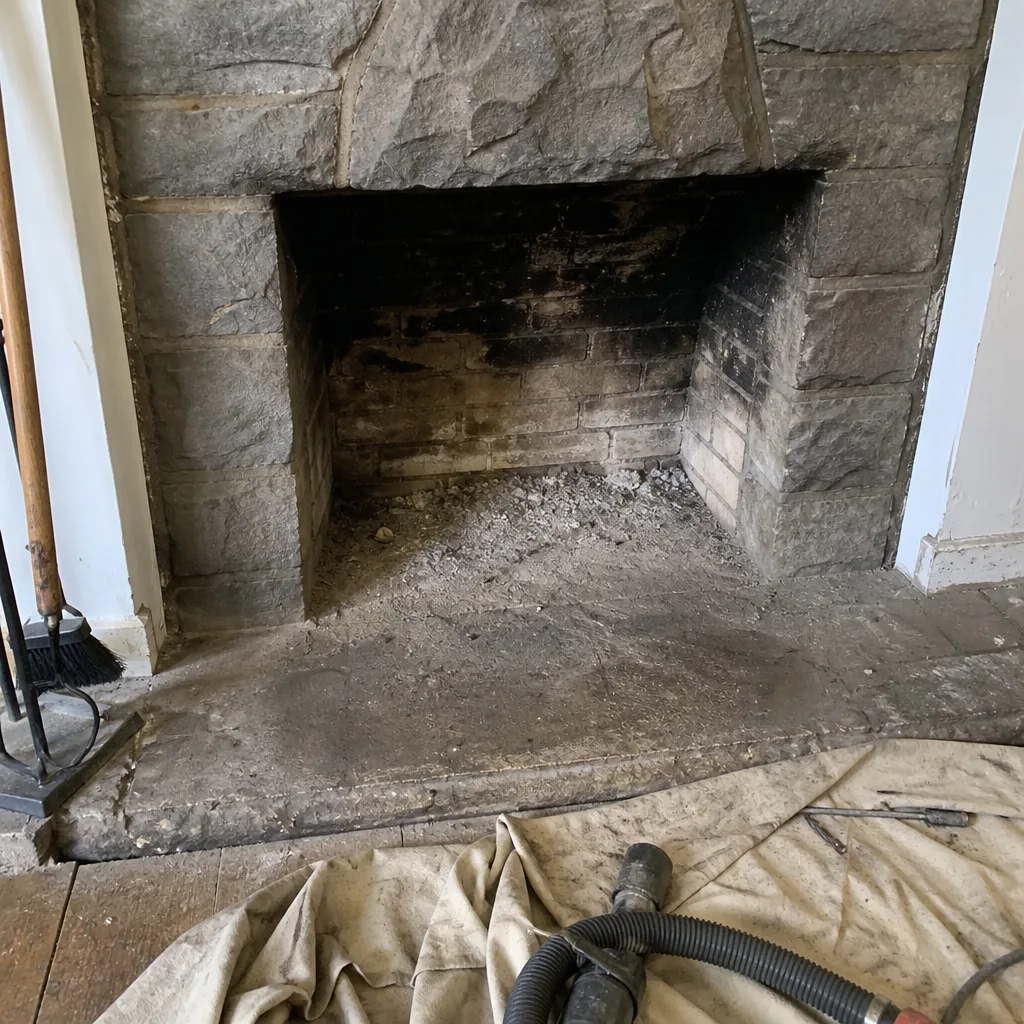
- Setup and protection. The work area gets drop cloths or sheeting so soot doesn’t travel through the house. That’s the first sign the crew is set up for a real cleaning rather than a quick brush pass.
- Firebox and damper service. The firebox gets cleaned, and the damper is checked for operation and fit.
- Flue cleaning. The flue is brushed from the top down, or bottom up with the right brush for the flue type, to remove soot and creosote. A camera inspection often accompanies this to see past the bend and confirm what the brush removed.
- Exterior check. The chimney cap, crown, mortar, flashing, and exterior brick get looked at from the roof. This is where efflorescence and cracked crowns get caught.
- Report and findings. You get a plain-English summary of what was found, what’s fine, and what needs attention. That’s the point where the report either backs up a repair or tells you nothing needs doing right now.
Where a repair is needed, different parts of the work call on different materials and techniques. A damaged flue that can be resurfaced rather than rebuilt often gets HeatShield, a ceramic liner restoration system that fixes the interior of the flue in place. Where the flue profile is irregular, or the existing liner is past saving, a flexible liner system like DuraFlex handles the curve where a rigid liner can’t. And when the cap or crown is the failing component, that gets replaced as its own repair. We name the materials we use, and why: the supply chain matters, which is why we source from professional networks like Olympia Chimney rather than retail-grade components. The chimney repair side of the work is a good place to start if your inspection turns up more than just soot.
Common Mistakes to Avoid
- Treating a smell as seasonal. A cold fireplace that smells smoky in July is telling you something about the flue. Waiting for the first cold snap to investigate usually makes the fix more expensive.
- Assuming a white stain is just weathering. In South Buffalo, a repeating efflorescence pattern usually means water is getting in through a failed crown or open joints. It doesn’t fade on its own, and it doesn’t fix itself.
- Burning unseasoned wood to “burn off” creosote. This makes it worse. Cool, green wood creates more creosote, not less.
- Calling for a cleaning without a symptom. A cleaning without a description of what’s wrong leaves the sweep guessing. If something feels off, say what it is on the call.
- Using a general handyman for chimney work. Chimney problems aren’t a generalist’s job. Flue condition, cap and crown fit, and liner decisions all require specific training and materials.
- Ignoring the cap. A missing or loose cap is one of the most common causes of everything from water intrusion to animal nests to rattle noises. It’s also one of the least expensive things to fix.
- Assuming a gas insert needs no attention. Gas fireplaces need less frequent cleaning than wood, but they still need inspection. Venting and corrosion issues don’t announce themselves.
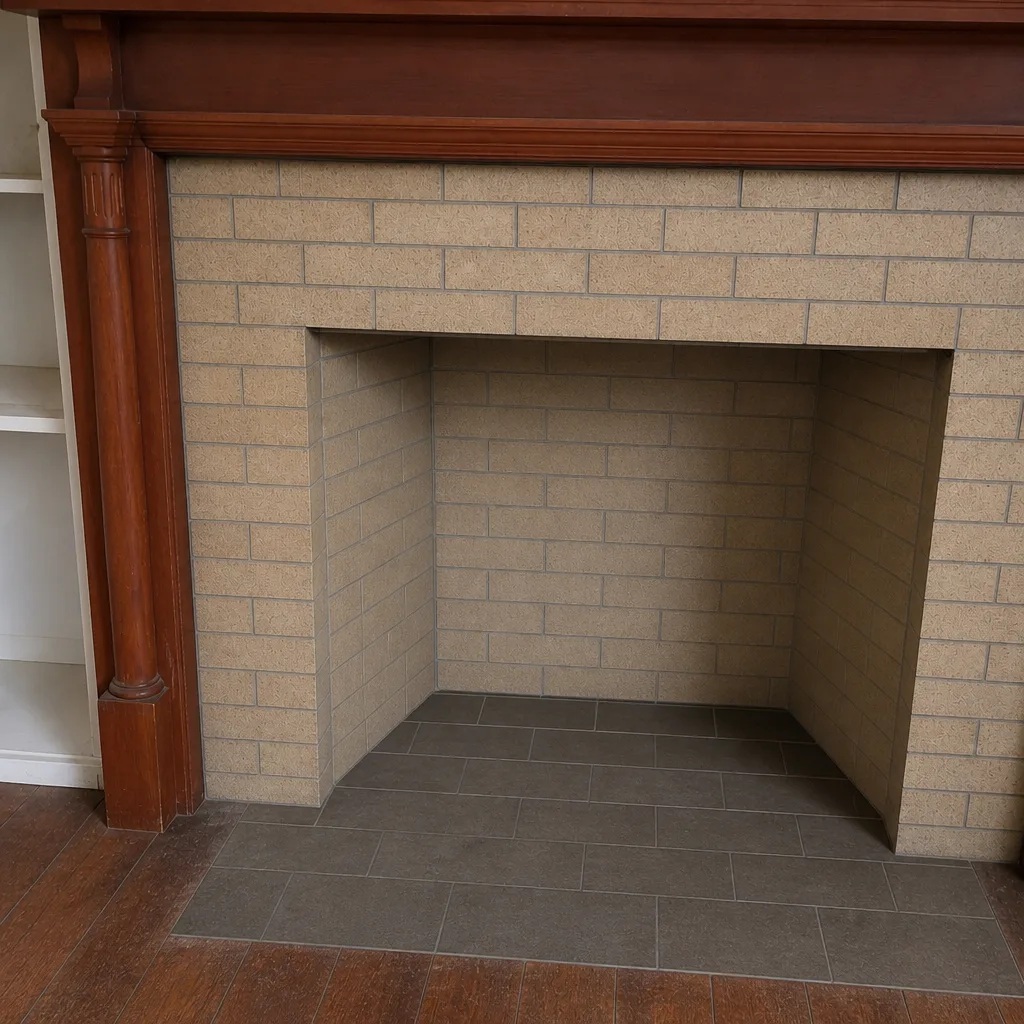
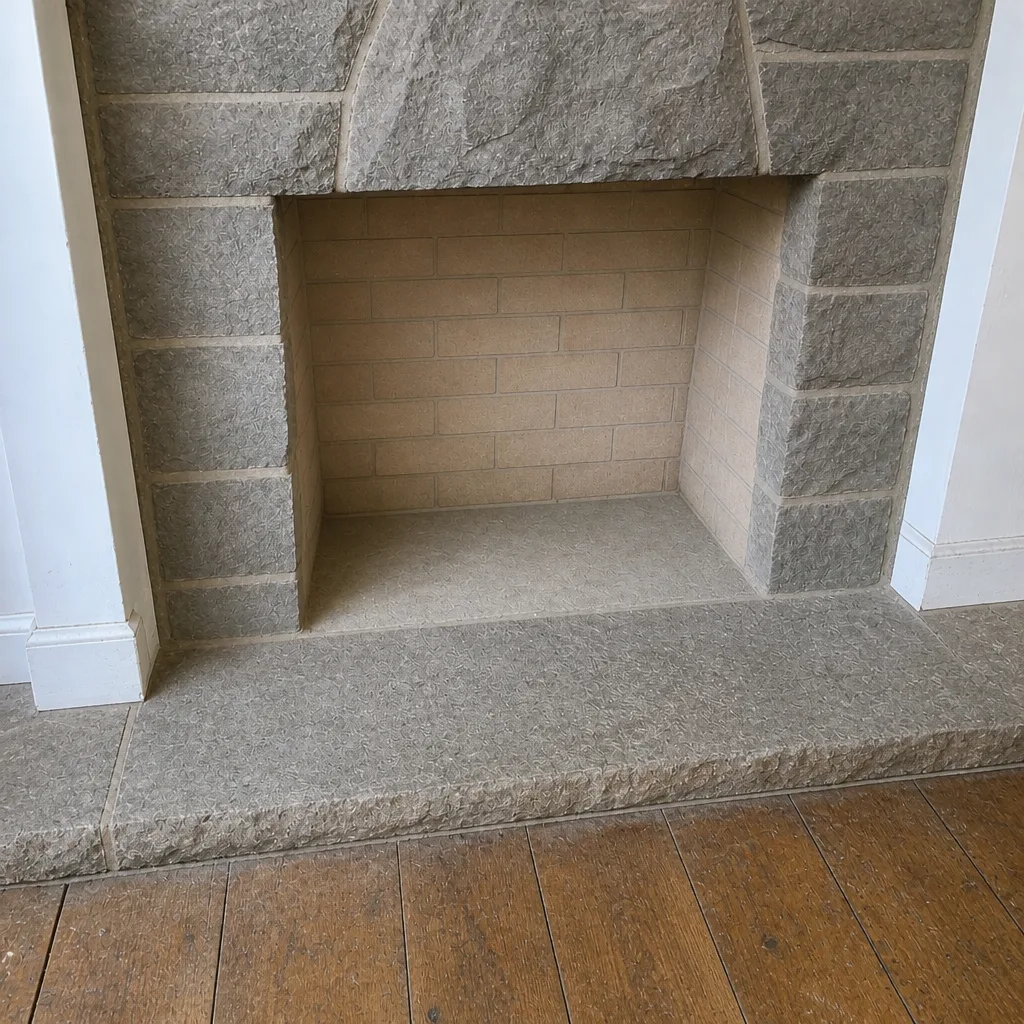
See the difference
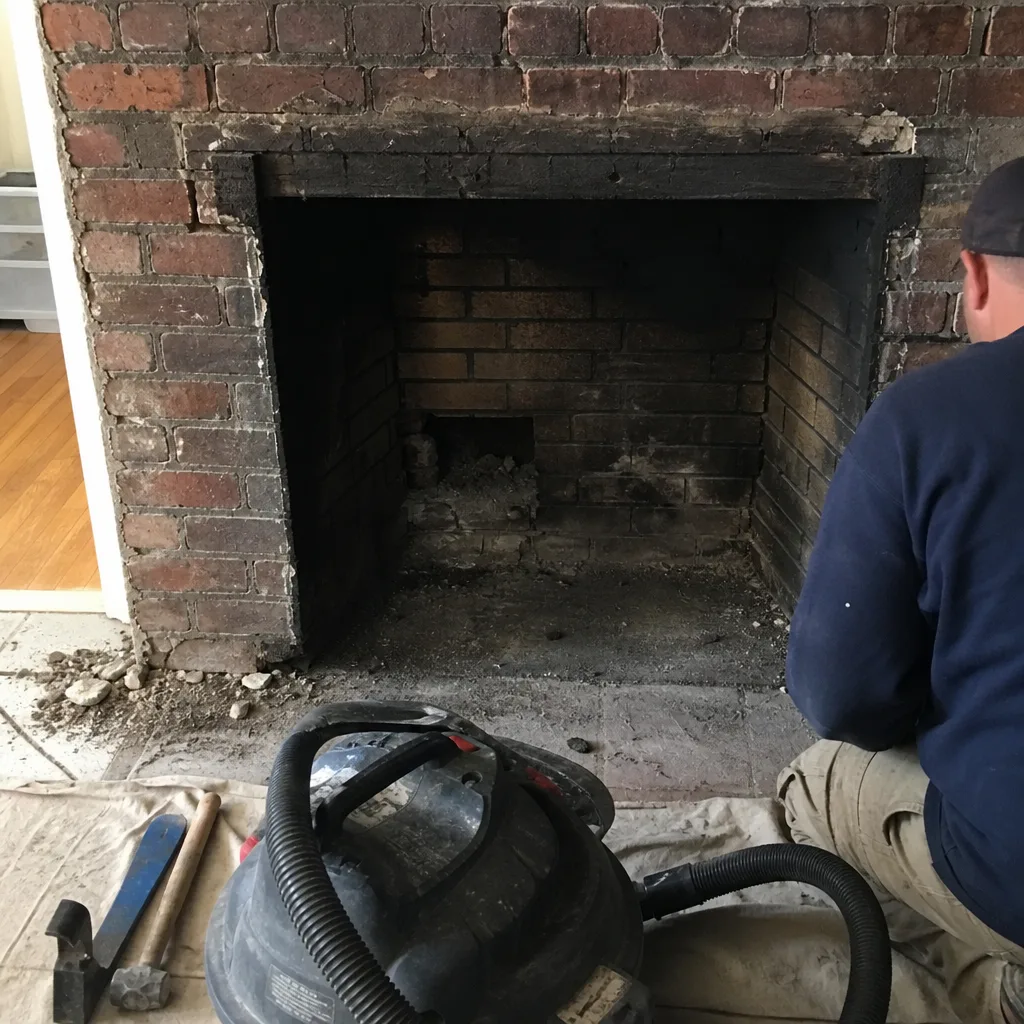 Before
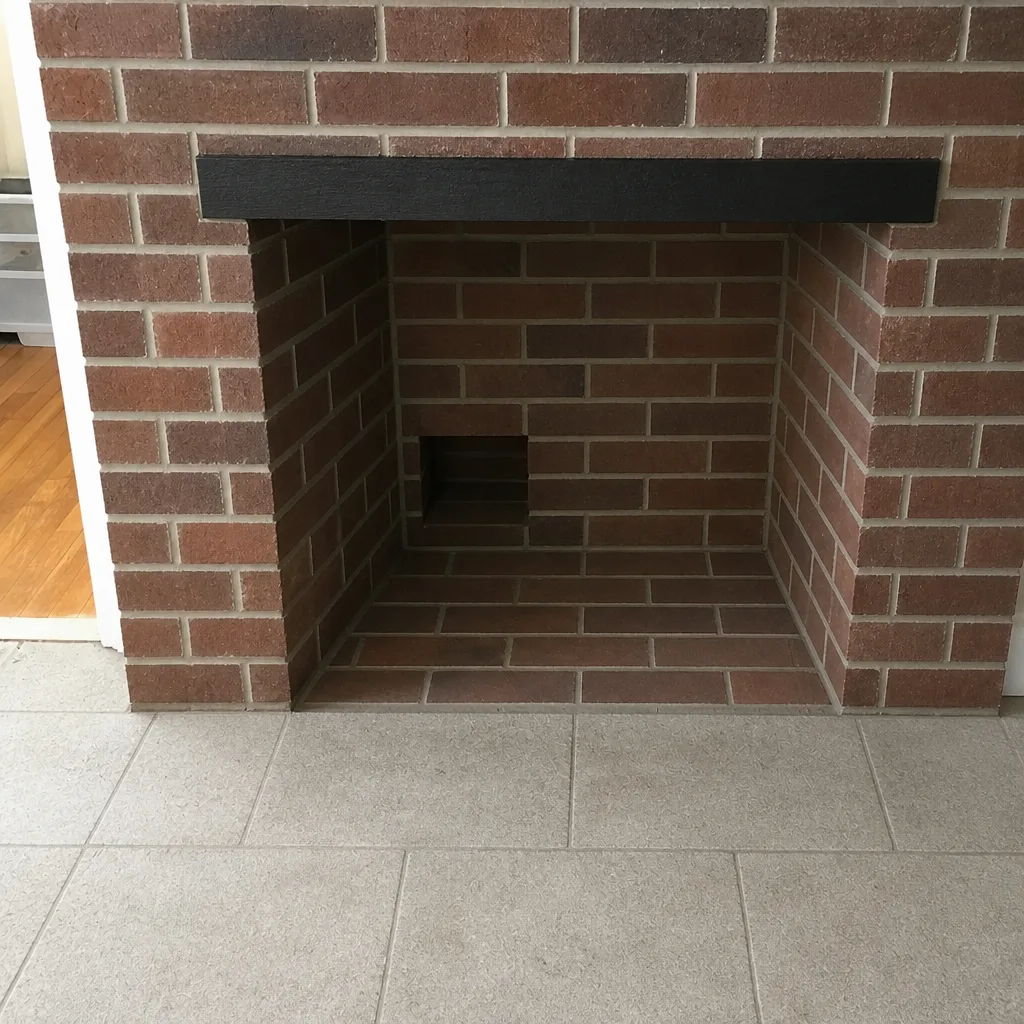 After
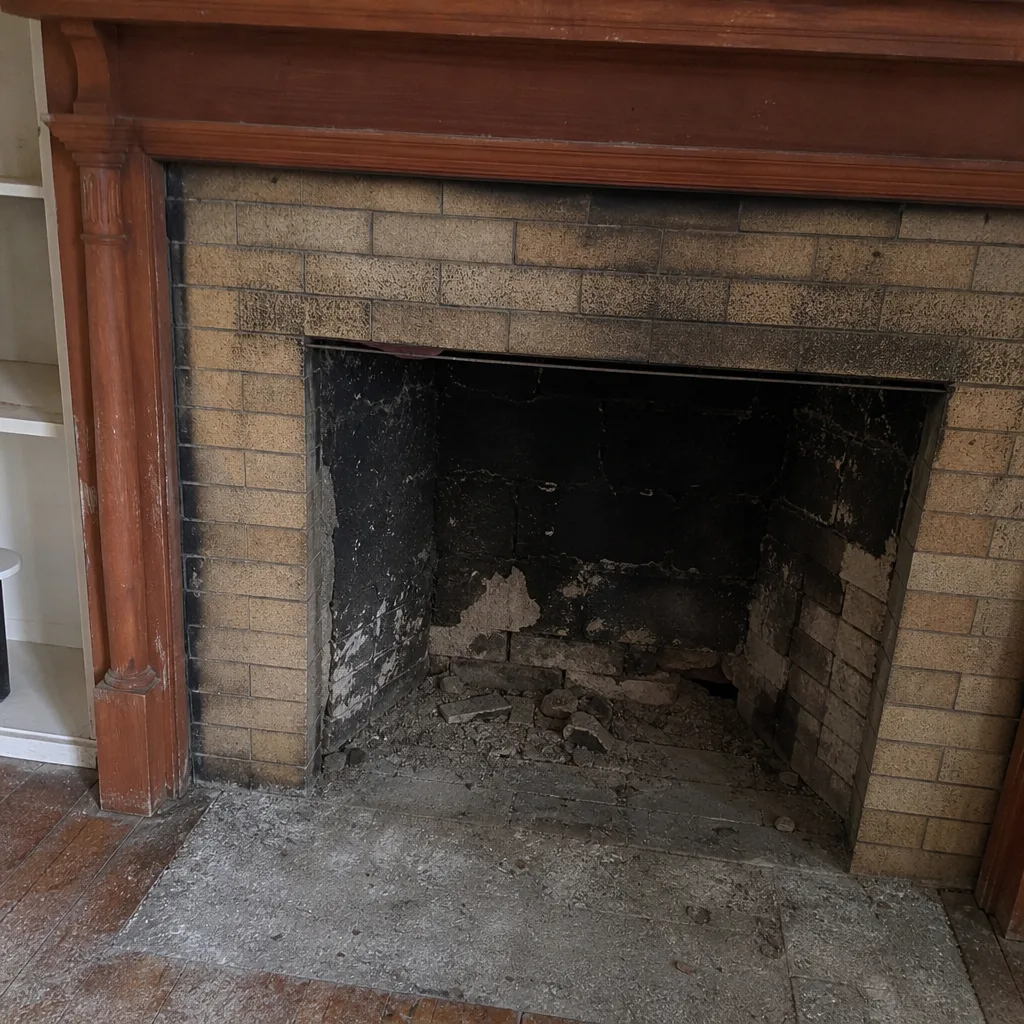 Before
 After
 Before
 After
When to Call a Professional
Some of what we’ve covered here is worth watching. Some of it is worth calling about right away. Call a professional when you see smoke rolling back into the room, smell creosote or soot inside the house when the fireplace is cold, notice recurring white staining on the chimney exterior, spot cracks in the firebox or flue tiles, hear debris or rattling from the flue, or can’t remember the last time the chimney was cleaned. Those are all situations where the fix is specific and the diagnosis matters. A surface-level inspection in South Buffalo is the place to start, and in most cases the inspection tells you whether a cleaning, a repair, or a wait-and-watch recommendation is the right answer. Chimney Sweep South Buffalo offers free estimates in South Buffalo. Call (855) 337-1696. We answer 24/7. Fast dispatch from 7am to 7pm, Sunday through Friday. Closed Saturday.
Frequently Asked Questions
The most common one we hear about is a smoky or ashy smell inside the house when the fireplace hasn’t been used for a few days. That smell usually traces to creosote buildup in the flue or a downdraft, and in a South Buffalo home it often comes with a white stain on the exterior brick. Both are worth an inspection, and both are usually fixable once they’ve been diagnosed. Call (855) 337-1696 if you want to describe the symptom and get an estimate.
Yes, if it’s been more than a year since the chimney was last cleaned. Creosote builds up slowly, and a chimney that runs only occasionally can still reach the point where a professional cleaning is overdue. A sweep can tell you at the inspection whether a full cleaning is needed now or can wait. Call for an estimate so you know what you’re working with.
Homeowners can handle some surface cleaning of the firebox and damper, but the flue itself is a different matter. Proper flue cleaning requires specific brushes, working from the roof or the firebox, and knowing how to inspect what the brush uncovers. It’s also the area where creosote buildup matters most. We recommend a professional cleaning for the flue and an inspection for the cap and crown. Call (855) 337-1696 for a professional visit.
No. Efflorescence on brick after a wet stretch is normal and often fades as the masonry dries. The problem case is a pattern that keeps returning in the same spot, or that comes with crumbling mortar or flaking brick. In South Buffalo, that pattern is usually a sign of water getting in through the crown or open joints. Have it looked at, and get an estimate so you know whether it’s cosmetic or a repair.
Once a year is the practical baseline for a wood-burning fireplace used as a regular heat source. If the chimney has had prior issues, or you burn frequently, a shorter cycle is reasonable. Gas inserts still need a periodic inspection even if the cleaning frequency is lower. Call (855) 337-1696 before the heating season to get the inspection on the calendar.
Lead with the symptom, the timing, and what you’ve seen. For example: “Smoke rolls into the living room on cold mornings, and there’s a white stain on the chimney brick.” That’s more useful than “something’s wrong.” A sweep can usually predict the cause before the visit arrives, and that shortens the whole visit. If you’re not sure how to describe what you’re seeing, call (855) 337-1696 and we’ll walk you through it.
The Bottom Line
Chimney warning signs are almost always visible or smellable well before they become dangerous. The trick is knowing what each one means, so a white stain, a rattle, or a smoky fireplace gets diagnosed instead of ignored. Most of what we’ve mapped here can be checked from inside the house, or spotted on the exterior. The signs that point to structural issues, particularly recurring efflorescence, cracked crowns, and visible flue damage, are worth a professional look. Where you can, catch these symptoms in the fall before the heating season starts, and describe them specifically when you call. That’s what makes the fix faster, cheaper, and more accurate. And when the inspection turns up something bigger, from Chimney Sweep South Buffalo to a full chimney sweep and repair, one company can handle the whole system rather than passing you to a second contractor. Our technicians have up to 8 years of experience with South Buffalo chimneys and the materials that hold up in this climate, and our five core services cover sweeping, inspection, repair, cap and crown work, and fireplace repair. If you’re seeing any of these signs, call (855) 337-1696 for a free estimate. We answer 24/7. Fast dispatch from 7am to 7pm, Sunday through Friday.
Written by the team at Chimney Sweep South Buffalo.