
Last updated November 25, 2026
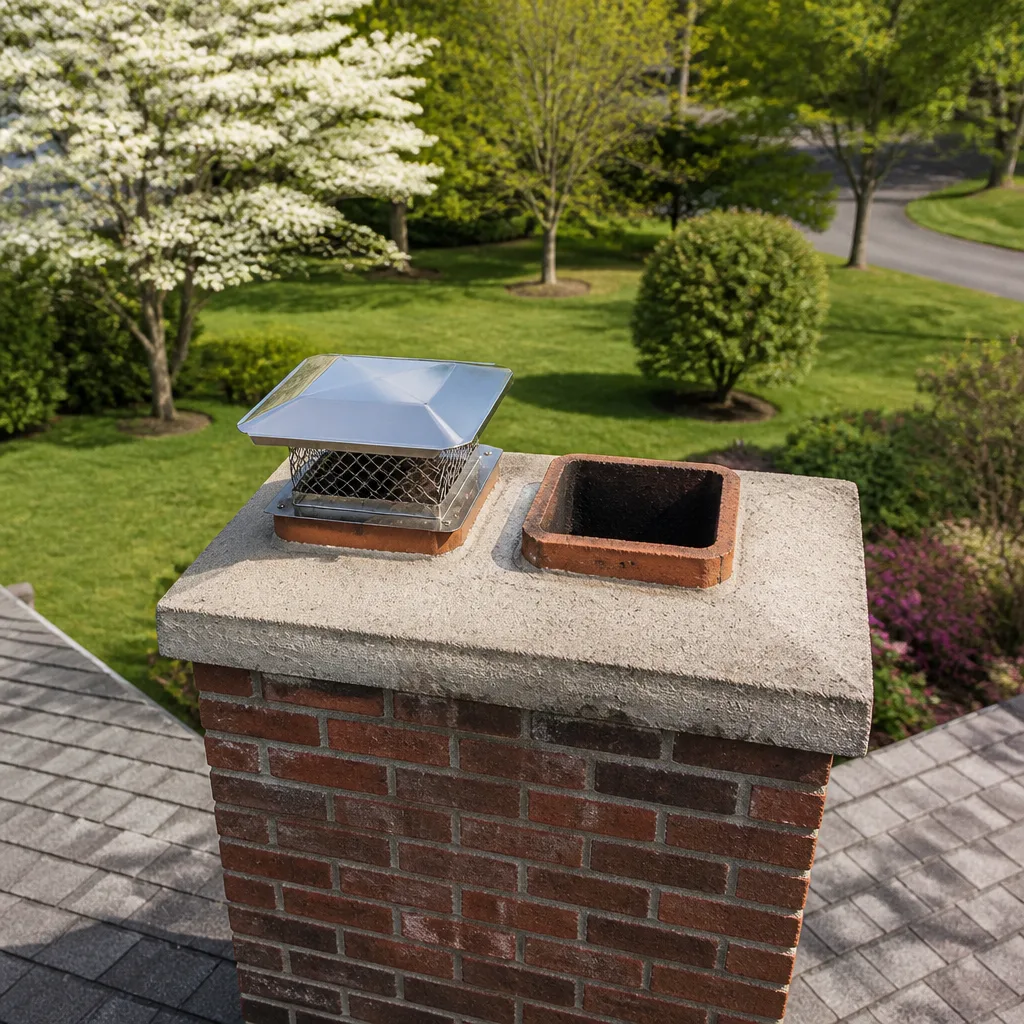 Sweep & inspection
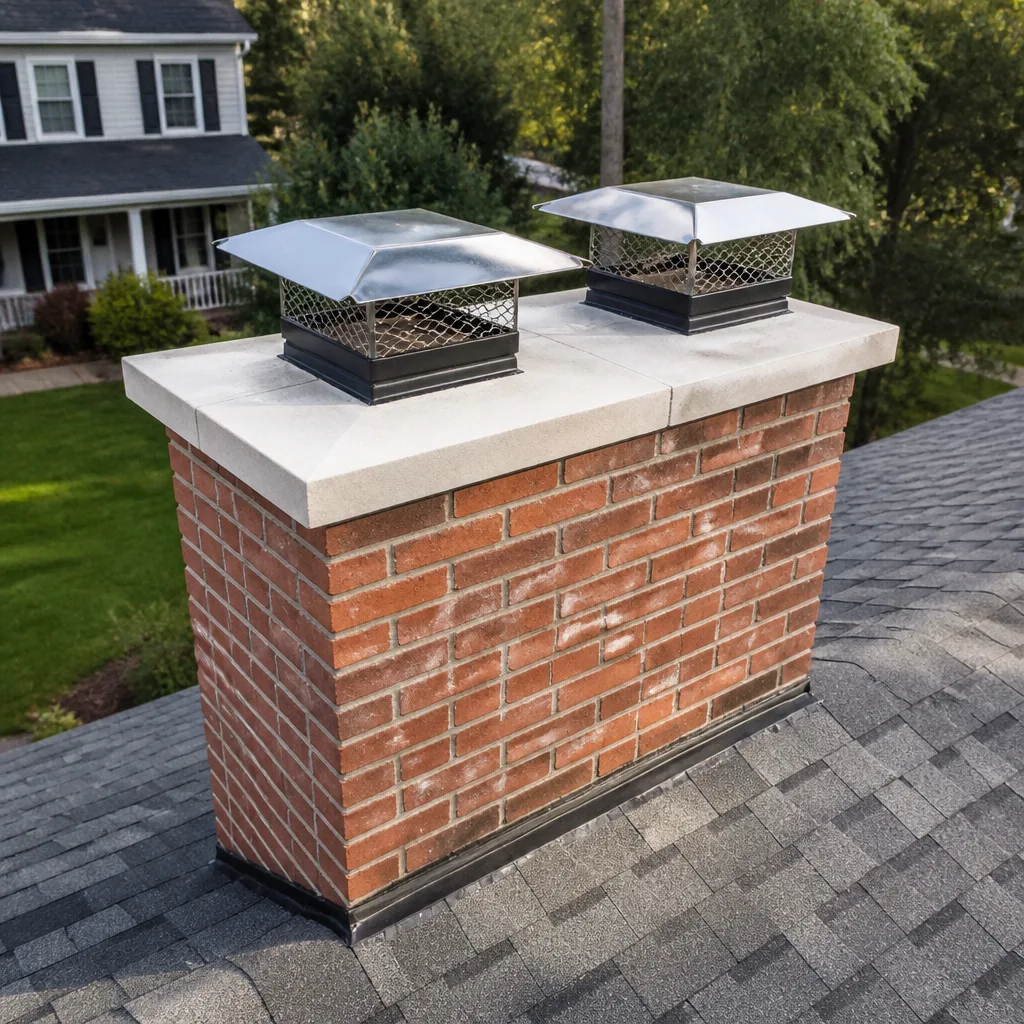 Caps & crowns
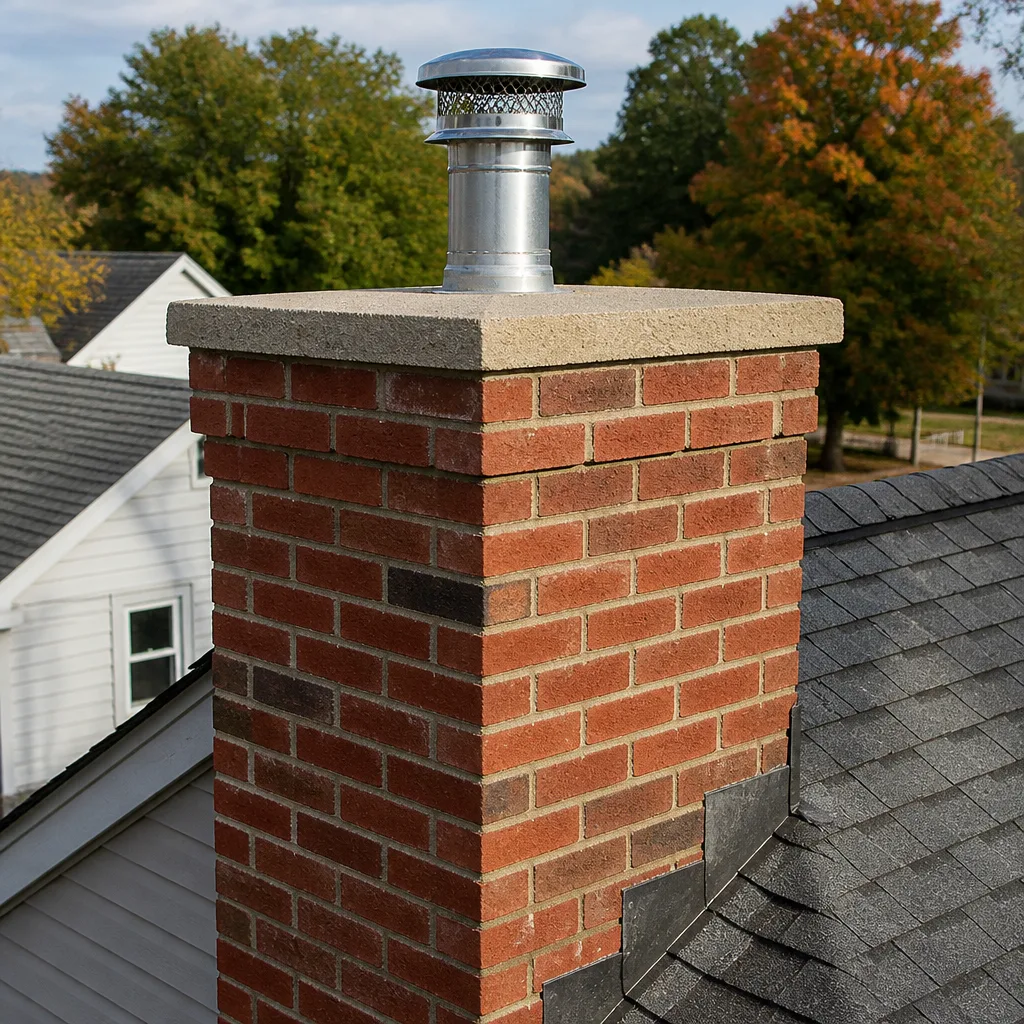 Flue relining
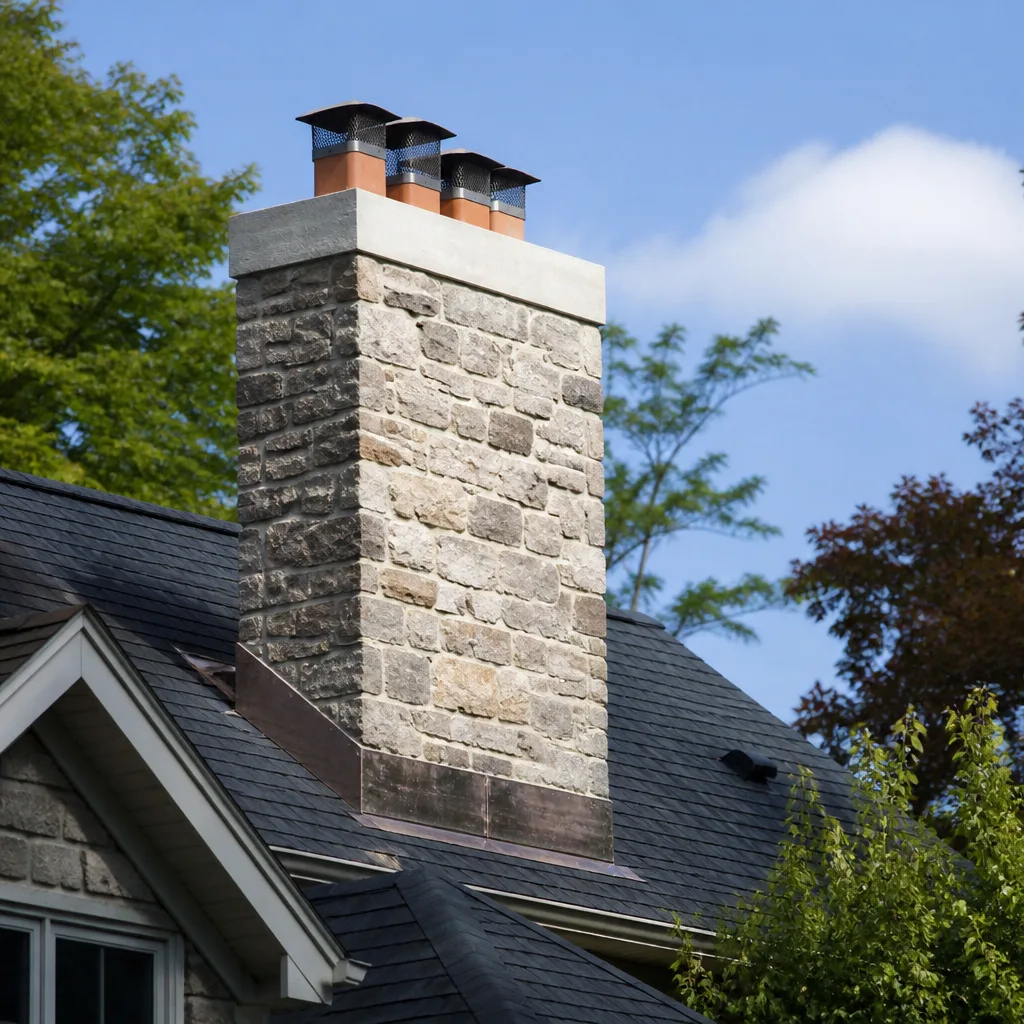 Masonry repair
 Gas fireplace service
Level 1 sweep and inspection to the NFPA 211 annual standard - flue, crown, cap, and flashing checked and photographed
Chimney sweep logs do not sweep chimneys. They loosen some creosote - which then falls where a brush and vacuum still have to collect it.
Chimney Cleaning Emergency Preparedness Guide for South Buffalo Homes
Most people think a chimney fire announces itself with flames out the top. It usually doesn’t. The first sign is often a low rumble that sounds like a distant train, or a dull roar you can hear from the next room. If that’s happening right now and heat is coming off the flue pipe, you’re already in the middle of it. This guide is about the ninety seconds before help arrives, and the weeks before that, when a cleaning or an inspection would have kept the whole thing from starting. We’ll walk through what to do during a suspected flue fire, how to tell it apart from an ordinary smoke backup, what a proper post-fire inspection has to cover, why carbon monoxide sneaks into living space when a chimney fails, and the pre-season steps that make an emergency less likely in a South Buffalo home.
Quick Answer
If you suspect a chimney fire, get everyone out of the house, call 911, and don’t put water on it. Once the fire department clears the home, no fireplace or wood stove should be lit again until a Level 3 inspection has confirmed the flue, liner and surrounding structure are sound. Most chimney emergencies in South Buffalo trace back to a flue that hadn’t been swept or inspected recently, so the real preparation happens before the first cold night, not during one.
Styles & brands we work with
- Sweep & inspection
- Caps & crowns
- Flue relining
- Masonry repair
- Gas fireplace service
Table of Contents
- What to Do in the First Five Minutes of a Suspected Chimney Fire
- Flue Fire or Smoke Backdraft? How to Tell the Difference
- What a Post-Fire Inspection Must Include
- Carbon Monoxide and Chimney System Failure
- Pre-Season Preparedness That Makes Emergencies Less Likely
- The Warning Signs Homeowners Miss
- Building a Chimney Emergency Kit
- When to Call a Professional
What to Do in the First Five Minutes of a Suspected Chimney Fire
Start with the assumption that it is a chimney fire, then work backward if the evidence says otherwise. The next five minutes are about getting people out and keeping the fire from spreading into the framing. Here’s the sequence we give South Buffalo homeowners when they call with smoke or a roaring flue:
- Get everyone outside, then call 911. Don’t stop to gather belongings or check the attic first. A house full of smoke is the wrong place to make decisions.
- Close the glass doors or the stove door if you can do it safely on the way out. Cutting the air supply slows the fire. Don’t reach into a hot firebox to do it.
- Don’t throw water on the fire. Water on a creosote fire inside a hot flue can crack the liner or send a steam burst back at you.
- If the fire is confined and you’re still inside, close the damper afterward, not before. The damper is often hot enough to burn a hand. That’s a task for the fire department.
- Stay out until a fire officer says it’s clear. Smoldering creosote can reignite hours later, so the “it looks out” stage isn’t the same as “it’s out.”
If you smell smoke and don’t see flame, evacuate anyway. A chimney fire can burn inside the flue for twenty minutes before any visible smoke comes into a room, and by then the framing around the chimney is what’s heating up. The safest read on any roaring sound, strong creosote smell or heavy smoke in the living room is to get everyone out and let the fire department make the call.
Flue Fire or Smoke Backdraft? How to Tell the Difference
A chimney fire is combustion happening inside the flue. A backdraft is smoke that’s coming the wrong way down the chimney and into your room. They look similar on a dark night and they need very different responses, so it’s worth knowing the tell. Here’s how the two differ in practice:
- Sound. A flue fire has a roar or a rumble you can hear through the wall. A backdraft is typically silent, or you hear a soft whoosh of air moving the wrong way.
- Heat. A burning chimney radiates heat from the flue pipe, the chimney breast or the wall. Backdraft smoke is warm at most and cools quickly.
- Smoke. Fire smoke comes from the fireplace opening or from cracks in the mortar along the chimney. Backdraft smoke fills the room from the fireplace and often carries cold air with it.
- Smell. Both smell of creosote, but a burning chimney has a sharper, acrid, hot-metal edge. Backdraft smells like a cold fire, more like a stale ashtray.
- Timing. Backdrafts tend to show up on startup, on windy days, or when the flue is cold. A flue fire typically starts after the fire has been burning hot for a while.
Backdraft still needs attention, because it pushes carbon monoxide and smoke into the room even if the firebox itself is fine. Some backdraft causes are simple, like a closed damper or a cold flue on a windy day. Others aren’t. A blocked flue, a damaged liner or a chimney crown that has pulled away from the flue can all create the pressure problem that sends smoke the wrong direction. In a South Buffalo home with a chimney on the windward side, lake-effect gusts off Lake Erie can push a backdraft through a flue that works fine on a calm day. If your fireplace puffs smoke only on certain wind directions, that’s a diagnostic clue, not a quirk to live with. We’ve seen the same pattern in older South Buffalo housing stock where original clay tile liners have shifted out of alignment, and the pressure problem shows up years later in the form of a smoky room.
What a Post-Fire Inspection Must Include
After a chimney fire, the fireplace is not usable until a proper inspection clears it. The standard the industry works to is NFPA 211, which sets three inspection levels. A suspected or confirmed chimney fire in South Buffalo means the job is almost always a Level 3 inspection, not a quick Level 1 look from the hearth. Level 3 triggers include a fire believed to have damaged the internal structure, a known or suspected liner breach, and any event that requires opening the chimney or removing part of the framing to see what happened. What a Level 3 inspection actually covers:
- The entire flue, top to bottom. Tile by tile or liner length by liner length, checking for cracks, spalling and separation at the joints.
- The smoke chamber and damper. These see the most heat in a fast-moving fire, and hairline cracks here are common.
- The exterior chimney, including the crown. A fire makes the crown and masonry above the roofline move, and that’s where water and later erosion get a foothold.
- Access to concealed areas. Combustibles near the chimney in the attic or between floors and clearance to wood framing. This is often the piece that requires opening a wall or roof, which is why it’s a Level 3.
- The liner as a system. If the original clay tiles have failed, a flexible liner is often the right repair. We work with DuraFlex flexible liner systems on older, irregular flue profiles like the ones we find in South Buffalo. A HeatShield ceramic liner resurfacing is another route when the flue shape is sound enough that the restoration can be done in place instead of rebuilding.
A post-fire inspection should give you a written picture of what was found, what was damaged and what needs repair before the fireplace is used again. If the inspector can’t see a section of flue, that section doesn’t pass. No fireplace should come back into service on “it looks fine from here.”
Carbon Monoxide and Chimney System Failure
Carbon monoxide is called the silent killer for a reason. It’s colorless, odorless and has no taste. It comes from incomplete combustion, which is most of what happens in a wood stove or fireplace on startup, during a burn with insufficient air, or when the flue isn’t pulling correctly. In a healthy chimney, the draft carries that CO up and out. When the chimney fails, the CO leaves the firebox and ends up in the room. The main ways a chimney system lets CO into a South Buffalo home:
- A blocked or partially blocked flue. Creosote buildup, birds’ nests, leaves and collapsed liners all narrow or close the flue. The exhaust has nowhere to go but back inside.
- A cracked or misaligned liner. Combustion gases leak out of the flue into wall cavities and framing, then find their way into living space through gaps you’d never think to check.
- A backdraft caused by pressure. Wind across the chimney top, a bath fan or kitchen exhaust running, or a home that’s too tight for the fire to pull air can all reverse the draft.
- A failing crown or chimney joint. Water gets in, mortar cracks, and the flue itself loses its ability to contain gas.
Every South Buffalo home with a chimney should have a carbon monoxide alarm on every sleeping level, tested regularly, plus one near the fireplace if you can. Alarms are not a substitute for a chimney inspection. They’re the second line of defense, and they help catch the failure the flue inspection found. If the alarm goes off, treat it as a real event. Get everyone out, call the fire department from outside, and don’t re-enter until they clear the home. If the alarm is intermittent, that’s a chimney and appliance problem to diagnose, not an alarm that needs replaced.
Pre-Season Preparedness That Makes Emergencies Less Likely
The best emergency response is a chimney that never gets there. In South Buffalo, the preparedness season runs from late summer into early fall, before the first sustained cold snap. Burning season on the lake plain runs long, and a fireplace that’s a real heat source gets used a lot more than a decorative one. Here’s the order that makes the most of a pre-season visit:
- Book a chimney sweep before the first fire. A professional sweep removes the creosote that fuels chimney fires and lets the inspector see the flue interior.
- Get an inspection in the same visit. Sweeping and inspection belong together. The sweep clears the flue, and the inspection tells you what the sweep couldn’t see from the hearth.
- Check the cap and crown. A missing cap lets rain, birds and debris into the flue. A cracked crown lets water into the masonry. Both are pre-season fixes that prevent bigger problems in January.
- Test the carbon monoxide alarms. Press the test button on every unit, replace batteries if needed, and note how old each alarm is. Most units have a replacement date on the back.
- Check the firebox and damper. The damper should open, close and stay where you set it. A sticking damper is a sign of moisture or masonry movement inside the chimney.
- Clear the flue of the obvious stuff. Birds’ nests, leaves and branches near the top are common problems in South Buffalo after a windy fall, and they’re the easiest blockages to catch before they cause a backdraft.
A preventive sweep is the single biggest emergency-preparedness action a South Buffalo homeowner can take. It removes the fuel, it flags the cracks, and it gives you a written record of what the flue looks like at the start of the season. Pre-season also makes a big difference on response if something does go wrong mid-season, because the inspector already knows the flue. When we’ve seen a flue before the fire, we can say a lot more about what’s likely damaged and what’s likely fine.
The Warning Signs Homeowners Miss
Chimney fires and CO incidents usually send warnings in the weeks before the event, and those warnings are easy to dismiss. In our experience, the signs South Buffalo homeowners miss most often are these:
- Black or flaky creosote on the firebox walls. Creosote can build up as a crumbly, crunchy layer. That’s the stage that catches fire.
- A roaring sound on startup. A short, soft whoosh as the fire catches is normal. A deep rumble or a sound you can hear in the next room is not.
- Smoke in the room on startup. A little spill on a cold, windy day is normal. Repeatable backdraft on a still day is a chimney problem.
- A strong creosote smell in the house when the fireplace isn’t in use. The chimney smells like a used fire pit even when you’re not burning. That’s a sign the creosote layer is thick or that the flue isn’t drafting.
- Damaged or missing chimney cap. A missing cap lets water, animals and debris into the flue. From the ground it’s a small detail, and from inside the flue it’s often the cause of the backup you can’t figure out.
- Headers, nausea or headaches that clear when you leave the house. Those are carbon monoxide symptoms. They show up as a pattern, not a single event, and that pattern is the point.
None of these signs means an emergency right now, but each one is a reason to book an inspection before the next fire. If two or more are present at the same time, treat the fireplace as unusable until a professional takes a look. A chimney that’s giving off these signals is giving you a chance to fix it during the day, in the sun, with a plan. The alternative is fixing it at 2 a.m. in a smoky living room.
Building a Chimney Emergency Kit
Preparation matters most when it’s happening in a fire. A small kit kept near the fireplace makes the first minutes far less chaotic. Nothing in it is exotic, and everything in it costs less than the fire you’re trying to avoid. Ours includes:
- A working carbon monoxide alarm on the same floor as the fireplace, tested monthly.
- A dry-powder fire extinguisher rated for the chimney fire class, checked for pressure and kept within reach but not next to the firebox.
- A small flashlight for checking the damper and the firebox before starting a fire.
- The number for the fire department. Put it on the fridge and in the phone, because in a real emergency nobody remembers a 10-digit number.
- The number for a professional chimney company. Post-fire inspection and repair has to be done by someone qualified and equipped, so having the number and the plan already in place matters.
- The written record of the last inspection. Keep the last report near the fireplace. If the fire department asks when the chimney was last inspected, you’ll have the answer.
One more item that doesn’t come in a bag: a family plan for where to meet and who checks on who. Two minutes spent on that in October is worth a lot in a smoke-filled hallway in February.
Common Mistakes to Avoid
- Waiting to call for help until a chimney fire is visible. Fires don’t glow until the roof or the exterior framing is involved. By the time you see it, the framing is already burning. Call on the sound and the smell.
- Burning the stove hard to dry out a wet chimney. That’s an invitation to a creosote fire. Wet creosote ignites at a lower temperature than dry, and the fastest way to make it hot is a big fire.
- Using a brush and a ladder as a “quick” chimney cleaning. The creosote that causes chimney fires is often the hard, glazed kind a brush can’t remove. A professional sweep uses the right tools and gets a look at the flue at the same time.
- Skipping the inspection because the sweep looked fine. A sweep can’t see cracks in a clay tile. Inspection and sweeping are complementary, and skipping the inspection is how damage goes unnoticed for years.
- Relighting the fireplace the day after a chimney fire without a Level 3 inspection. The fire can do its worst damage in the cavities no one has seen, and the second fire is the one that reaches them.
- Ignoring an intermittent carbon monoxide alarm. Alarms don’t go off at random. An alarm that beeps now and then is a chimney and appliance system asking for a look.
- Covering a stove pipe with a holiday decoration or an insulation wrap. Both interfere with the flue’s ability to vent heat, and vents are how the chimney stays cool where it needs to.
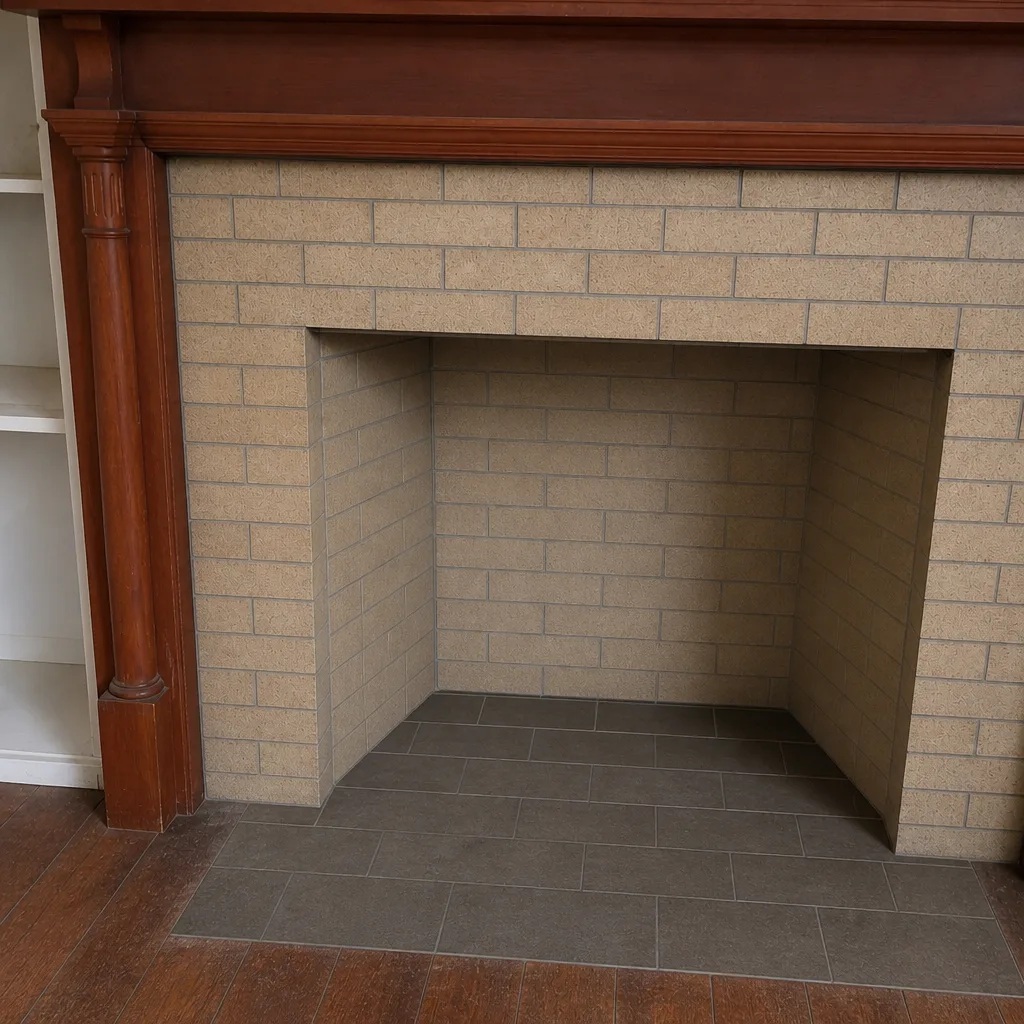
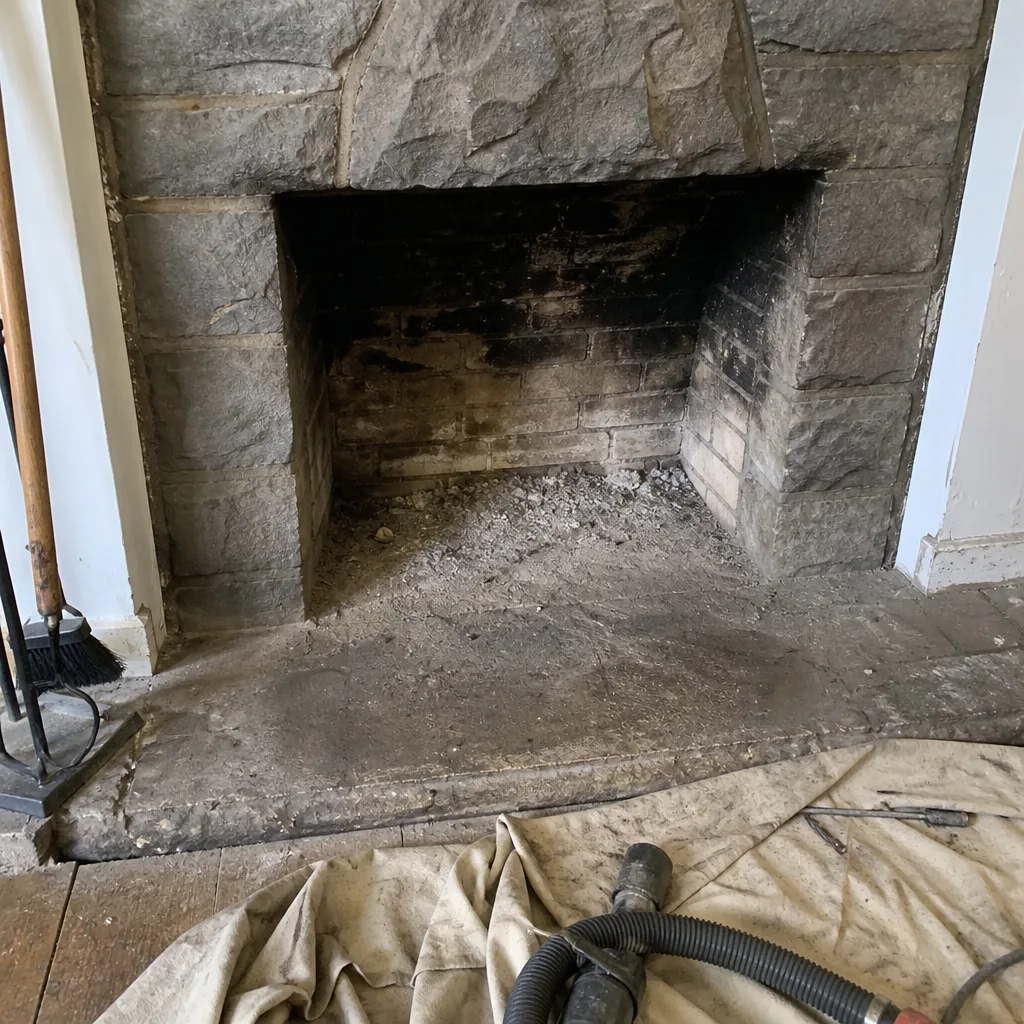
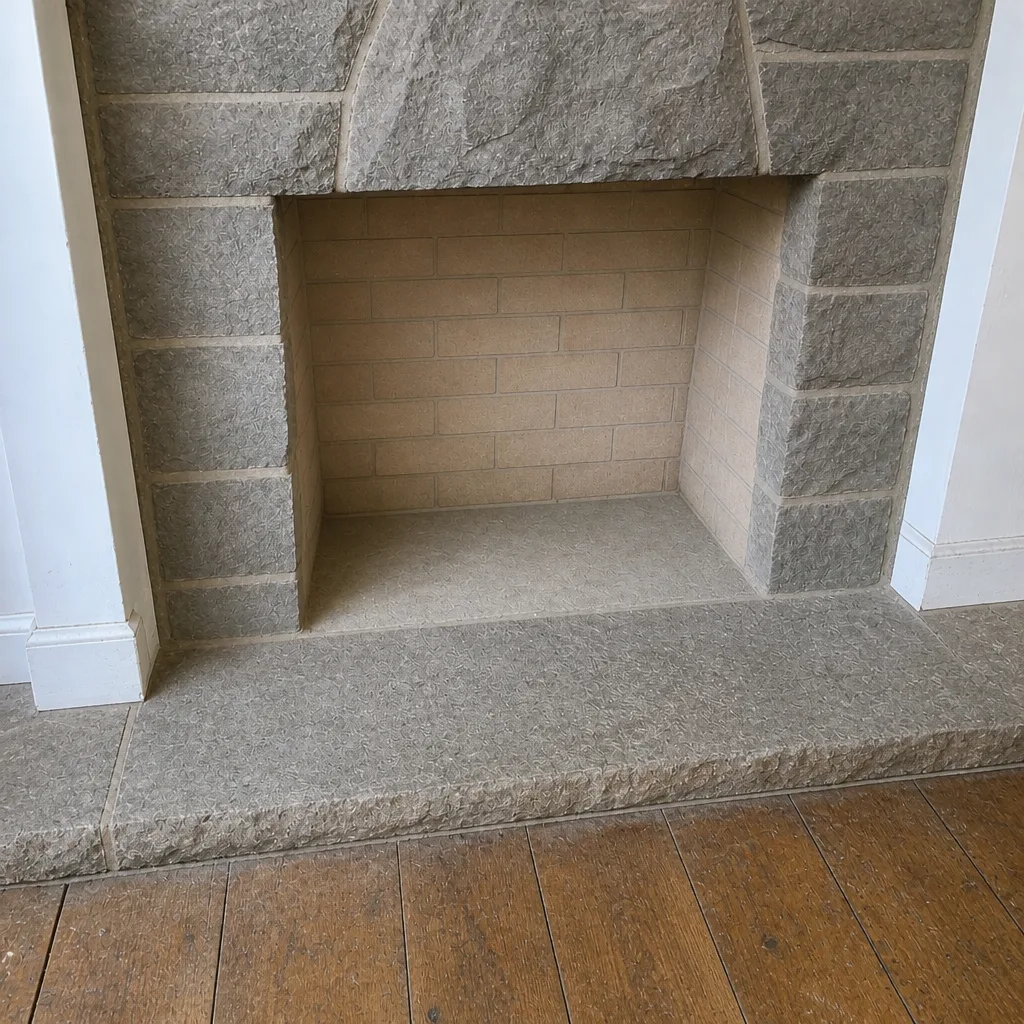
See the difference
 Before
 After
 Before
 After
 Before
 After
When to Call a Professional
Call us right away after a suspected chimney fire, after a CO alarm, or any time the fireplace is sending smoke into a room you can’t clear. Call before the season starts if the chimney hasn’t been swept or inspected since last winter. Call if you just bought an older South Buffalo home and don’t have a chimney record. If a chimney crown is broken, a cap is missing or the masonry is loose, that’s a today call, not a spring call. Anything structural that lets water into the flue makes the next fire riskier, and the fix gets more expensive the longer it’s left. We handle chimney repair, chimney cap & crown work, liner systems and fireplace repair as part of the same visit as the inspection, so you’re not managing three contractors. Estimates are free and the price is set per job by the written estimate.
Same-Day Repair and What Happens When You Call
When you call Chimney Sweep South Buffalo, the first thing we do is listen, then help you decide whether this is a call-the-fire-department event or a schedule-an-inspection event. We answer 24/7, and a call outside dispatch hours is booked into the next opening, Sunday through Friday, 7am to 7pm. We’re closed Saturday. For suspected chimney fires and CO events, start with 911 and get everyone outside. For everything after that, we’re the call that decides what the flue needs and does the work.
Our technicians have up to 8 years of experience. Our vetted local chimney professionals handle the full system: sweep, inspection, cap and crown work, fireplace repair and liner systems. We name the materials we use and why we chose them. On older South Buffalo flues, DuraFlex flexible liners are often the right fit for irregular tile profiles, and HeatShield ceramic liner resurfacing is an option when the flue can be repaired in place rather than rebuilt. Parts come through professional supply networks like Copperfield and Olympia Chimney, so you’re getting specification-grade components, not retail parts. One inspection, one crew, one call for the whole chimney system.
Frequently Asked Questions
Usually within minutes once the fire is hot enough to crack the liner or reach the wood framing in contact with the chimney. Creosote fires can reach very high temperatures inside the flue, and the vulnerable points are the liner joints and the framing around the chimney. That’s why the response to a suspected chimney fire is evacuation and a 911 call, not a look up the flue with a flashlight. Call (855) 337-1696 after the fire department clears the home, and we’ll walk through the Level 3 inspection your fireplace needs before it’s used again.
In practice, yes, when the fire was significant enough to be heard through the wall or to send smoke into the room. Level 3 is the NFPA 211 classification for a fire believed to have caused internal damage, and it’s the inspection that opens the chimney or the framing to see what a Level 1 or Level 2 can’t. The cost of skipping it is the cost of a second fire that no one caught. Call us for an honest assessment and a free estimate.
You can’t, reliably. A failed liner looks intact from the firebox, and a camera is what shows cracks, gaps and spalling through the length of the flue. The signs a homeowner can pick up are smoke in the room, a persistent creosote smell, or a CO alarm that goes off intermittently. Those are reasons to call, not a diagnosis. We’ll bring the camera and show you the footage so the recommendation is based on what you can see. Call (855) 337-1696 to schedule.
Treat it as real: get everyone outside, call the fire department from outside, and don’t re-enter until they clear the home. Carbon monoxide is generated by combustion, so an alarm can signal a chimney drafting problem even when the firebox looks fine. Don’t turn off the alarm and go back to sleep. The problem is upstream in the flue or the appliance. If the alarm is intermittent, that’s a system diagnosis for a professional, not a faulty alarm. Call us after the fire department clears the home.
No. A chemical chimney fire log is often marketed as a maintenance tool, and in our experience it doesn’t replace a sweep. It also adds another burn event, stored creosote and the same risk you’re trying to reduce. A professional sweep removes the creosote physically, and the inspection in the same visit tells you what condition the flue is actually in. Skip the log and book the sweep.
A gas insert has its own flue and venting path, and the CO risk is real and often higher because there’s no visible smoke to warn you. The signs are a CO alarm, a sooting pattern around the vent, a strange smell on startup, or an insert that won’t stay lit. None of those are a DIY fix. Turn the insert off, open a window and call. We handle fireplace repair and inspection for gas inserts and wood-burning fireplaces alike.
The Bottom Line
Chimney emergencies start long before the night they happen, with deferred cleaning, ignored symptoms and no plan for the smoke. The five-minute response to a suspected flue fire is evacuation and 911, not a flashlight. The distinction between a flue fire and a backdraft is the one homeowners most often miss. A post-fire inspection has to be a Level 3 under NFPA 211, and carbon monoxide is why a chimney failure has consequences beyond the fire itself. The prevention is boring and effective: a pre-season sweep, an inspection in the same visit, a working cap and crown, and tested CO alarms. Call (855) 337-1696 for a free estimate, and start next season with a plan instead of a guess.
Written by the team at Chimney Sweep South Buffalo.